To clean an oven glass door, many homeowners ask how do you clean an oven glass door effectively. Make a paste using baking soda and water, spread it across the glass, leave it for 15 to 30 minutes, then wipe away with a damp microfiber cloth. For stubborn deposits, use a glass scraper at a 45-degree angle to lift hardened grease without scratching. Buff with a dry cloth for a streak-free finish. If grease is trapped between panels, you'll need to remove the door and access the inner glass by releasing the hinge locks.
We see this all the time at Cleaners Darlington UK. The oven door glass is the fastest area in UK homes to show visible grease buildup, often becoming cloudy again within 7 to 14 days of regular cooking. This happens because grease vapour condenses on cooler glass rather than settling in the oven cavity. Every time you open the door during cooking, moisture and grease escape and settle directly onto that inner glass panel. UK homes open their ovens an average of 6 to 10 times per day, and each opening accelerates the buildup compared to what you'd see on enamel interiors.
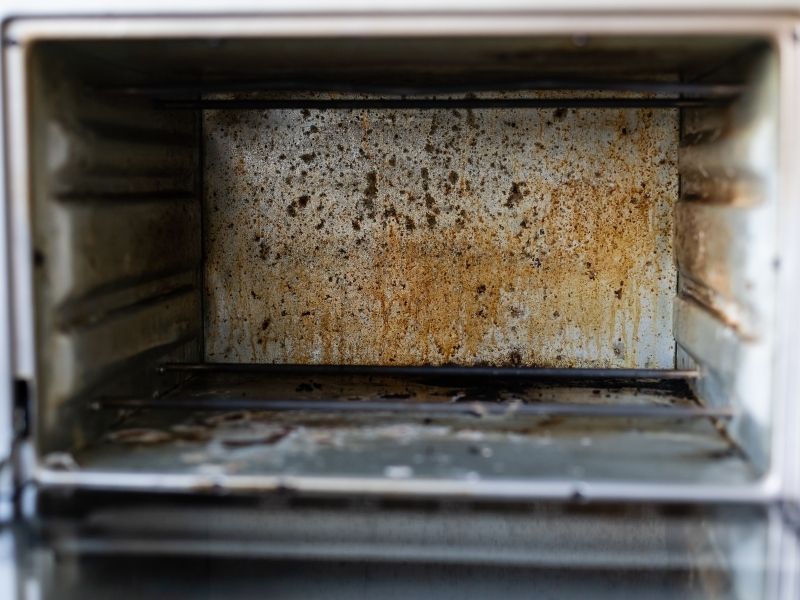
What surprises most people is that grease behaves completely differently on glass compared to other kitchen surfaces. When grease hits the glass door, it cools rapidly and hardens instead of evaporating. This is why many UK cleaners report that oven glass attracts more grime than enamel. The grease doesn't just sit there either. It carbonises, especially in commercial kitchens where glass can reach temperatures above 300°C during service. Spills left overnight can permanently etch into the glass within weeks.
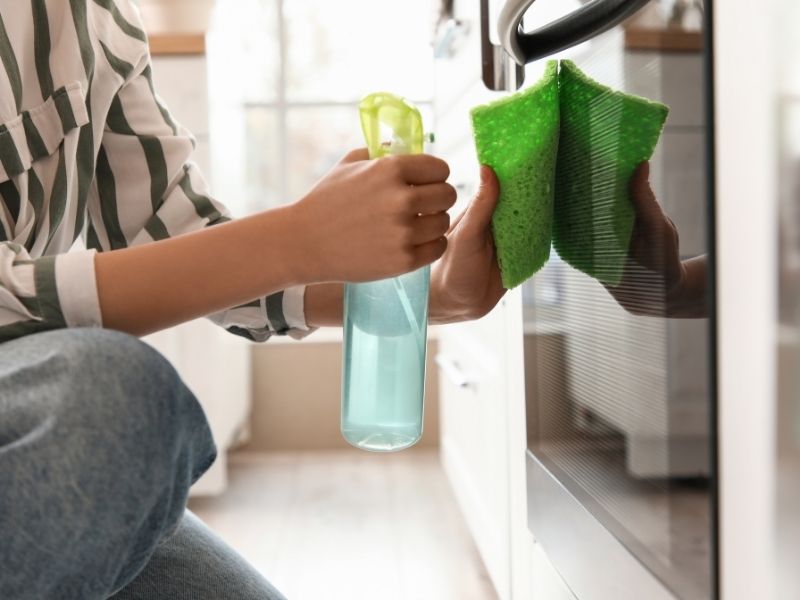
Glass has a non-porous surface that causes grease to cool and harden faster than it would on textured enamel. When fat particles land on hot enamel, some of the moisture evaporates. On glass, the lower surface temperature causes immediate solidification. This is why you can wipe enamel relatively easily after cooking, but the same grease on glass forms a stubborn, baked-on layer. This same principle explains how to clean grease off kitchen walls, especially in areas exposed to repeated heat and cooking vapours.
In commercial kitchens across the UK, we've seen how carbon deposits build up in layers. Each cooking session adds another thin film. Over time, these layers fuse together, creating what looks like a permanent brown or black coating. UK appliance engineers report that a significant proportion of calls about ovens not heating properly are actually caused by heavy grease layers on the inner glass interfering with heat sensors and thermostats.
UK homeowners frequently underestimate how many oven doors have multiple glass panels. Most modern ovens have two or three sheets of glass separated by small gaps. Grease doesn't just settle on the outer surface you can reach. It seeps into those gaps and becomes trapped between the panels. This explains why wiping the visible side alone often makes little difference to long-term clarity.
In rental properties and shared accommodation across the UK, dirty oven glass trapped between panels is one of the most common causes of deposit disputes. Landlords expect tenants to return ovens in the same condition, but if you don't know how to access those inner panels, you're left with a door that looks filthy no matter how hard you scrub the outside.
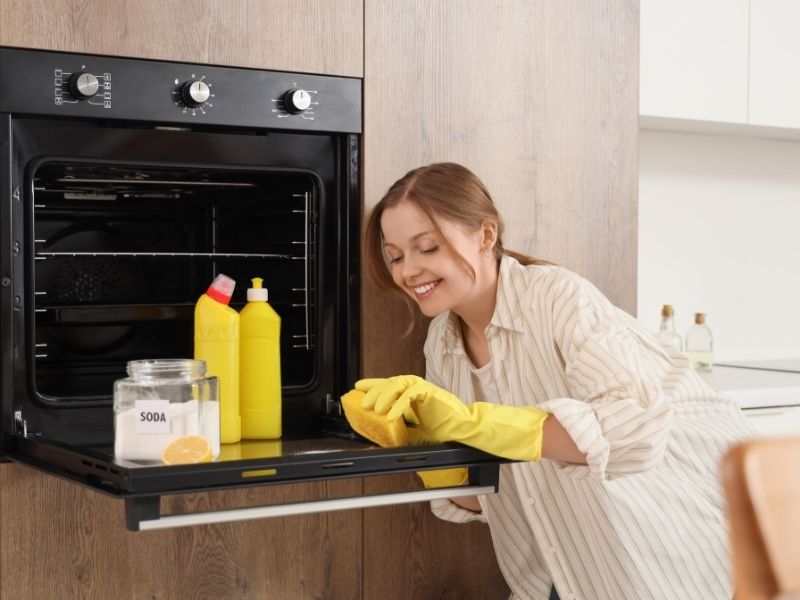
Before we start any job, we make sure we have everything ready. For oven glass, you don't need expensive specialist products. Most of what works best is already in your kitchen. You'll need baking soda, water, white vinegar, a few microfiber cloths, and at least one soft cloth for buffing. If you're dealing with thick carbon buildup, a glass scraper or retractable razor blade will save you hours of scrubbing.
For the paste, mix baking soda with just enough cold water to form a spreadable consistency. You're aiming for something thicker than toothpaste but not so dry it crumbles. Keep a spray bottle of water nearby to stop the paste drying out while it works. You'll also want a flat, soft surface like a towel or blanket if you're planning to remove the door completely.
Baking soda acts as a mild abrasive that cuts through grease and removes stains without scratching glass. We use it on almost every oven job because it's inexpensive and effective. White vinegar works alongside it, breaking down alkaline grease deposits. When you combine baking soda and white vinegar, the reaction lifts grime in a way that matches most commercial cleaners.
A pressed powder dishwasher tablet dipped in warm water can help remove tough, brown, burnt-on stains. Just wet the tablet, rub it gently across the glass, and watch the grease lift. Bar Keeper's Friend is another safe, bleach-free powder that's effective on grease. For a natural scrub, cut a lemon in half, dip it in salt, and use it to work through stubborn spots. The citric acid in the lemon combines with the abrasive salt to break down fat deposits.
UK homeowners consistently report the highest satisfaction when simple, readily available household products are used correctly, rather than harsh industrial chemicals. Community feedback shows that keeping cleaning products moist on the glass surface for longer dramatically improves results. Dried-on grease softens more effectively when not allowed to dry out mid-clean.
If you prefer ready-made solutions, Astonish Oven & Grill Cleaner is a cream cleaner often used with a sponge for effective results. It's widely available in UK supermarkets and costs a fraction of what you'd pay for branded oven cleaners. The Pink Stuff Paste is another popular option known for cutting through grease. You apply it, leave it for a few minutes, then wipe clean.
Oven Mate Gel is an odourless formula that can be applied and left for anywhere between 3 minutes and 3 hours depending on how bad the buildup is. We recommend checking the instruction manual for your specific oven before using any commercial product, especially if your door has special coatings. Some cleaners can damage self-cleaning finishes or react badly with certain seals.
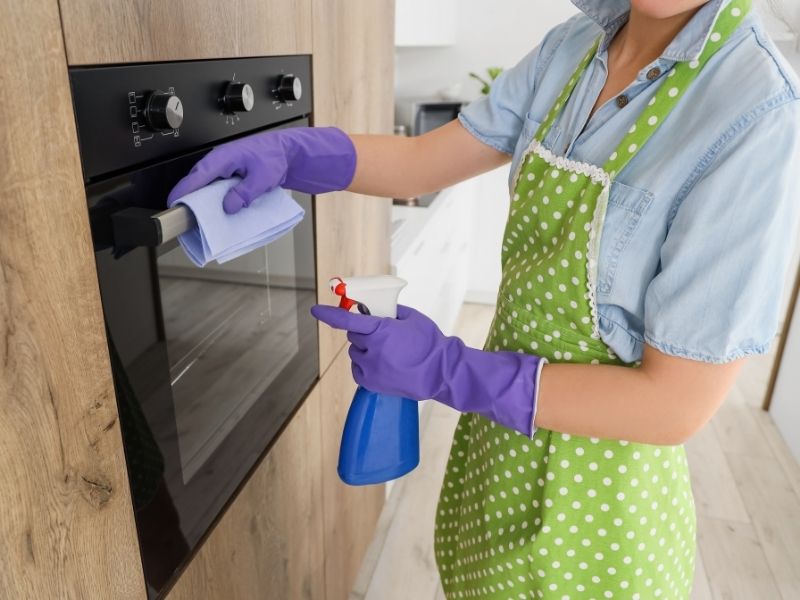
For a quick clean when you don't have time to disassemble anything, start by making sure the oven is completely cold. Safety comes first. Mix your baking soda paste and spread it evenly across the outside glass. Don't be shy with the coverage. You want a thick layer that won't dry out too quickly. Community feedback shows that keeping the paste moist dramatically improves results, so if you see it starting to dry, spray a light mist of water over the top.
Leave the paste on the glass for at least 15 to 30 minutes. This waiting period is crucial. Many UK users describe oven glass cleaning as far more manageable once carbonised grease is loosened first, with most effort spent on removal rather than scrubbing. Allowing the cleaning solution to sit gives the baking soda time to penetrate and break down the grease bonds.
Spread the paste in an even layer using your hand or a damp cloth. Work from top to bottom so drips don't create uneven coverage. Pay extra attention to the bottom of the door where grease tends to pool. If you have visible brown or black spots, add a thicker layer directly over those areas. The paste should look wet and smooth, not chalky or crumbly.
Once it's applied, check it every 10 minutes. If the paste starts to dry and turn white, spray it lightly with water. The moisture reactivates the cleaning action and prevents you from having to scrub dried baking soda, which can actually make the job harder. This simple trick of keeping things moist is something we learned from years of cleaning ovens across Darlington and the wider UK.
For light grease, 15 minutes is usually enough. For heavier buildup or carbonised deposits, leave the paste for 30 minutes or longer. We've left baking soda paste on stubborn commercial oven glass for up to an hour with excellent results. The key is not letting it dry out completely.
When you're ready to remove the paste, use a damp microfiber cloth and wipe in circular motions. You'll see the grease lifting as you wipe. Rinse the cloth frequently in clean water to avoid spreading dirty paste around. For any remaining spots, apply a small amount of white vinegar to a clean cloth and wipe again. The vinegar reacts with any leftover baking soda and helps remove the last traces of grease.
If grease is trapped between the glass panels, cleaning the outside won't be enough. You need to remove the door and access the inner glass. This sounds complicated, but it's straightforward once you know the process. Start by fully opening the door to about 45 degrees. Locate the hinge locks on the left and right sides. These are usually small levers or clips that hold the hinges in place.
Using a screwdriver if needed, flip these hinge locks into the open position. On most UK ovens, you'll see them move about 90 degrees. Once both locks are open, close the oven door slowly until it reaches about a 15-degree angle. At this point, grip the door firmly on both sides and lift upwards while pulling slightly towards you. The door should lift free from the hinge slots. If it feels stuck, double-check that both hinge locks are fully open.
Once the door is off, lay it front side down on a soft surface. We use old towels or blankets spread on the floor or a large table. This protects both the glass and the outer enamel from scratches. Make sure the surface is flat and stable. The last thing you want is the door rolling or tipping while you're working on it.
Check that the hinges aren't digging into your protective surface. Some doors have protruding hinge mechanisms that can damage soft fabrics or even dent themselves if pressure is applied. Position the door so the weight is evenly distributed and nothing is under strain.
With the door laid flat, you'll see screws or clips holding the inner glass panel in place. The exact method varies by manufacturer, so check your instruction manual if you're unsure. On many models, you push gently on both sides of the inner glass panel until it releases from its retaining clips. Slide the glass out carefully.
You may find multiple sheets. Remove them one at a time, keeping track of the order. Clean each panel separately using the same baking soda paste method we described earlier. Pay special attention to the edges where grease tends to accumulate. Once all the glass is clean and dry, refit the panels in reverse order. Make sure each piece clicks securely into place before moving to the next one.
Some doors also have metal reflectors between the glass sheets. These need to be refitted correctly, or your oven won't heat evenly. After cleaning, ensure all reflectors and glass panels are properly positioned before you close the door and reattach it to the oven.
For extremely thick carbon buildup, you need more than just baking soda. This is where a glass scraper or retractable razor blade becomes useful. The trick is using the right technique to avoid scratches. Non-abrasive techniques are repeatedly praised in the UK for preserving glass clarity long-term, as aggressive scraping is one of the leading causes of scratched or weakened oven glass.
Before you start scraping, apply your baking soda paste and let it sit for the full 30 minutes. This softens the top layer of carbon and makes scraping much easier. When the time is up, take your glass scraper and hold it at a 45-degree angle to the surface. Use gentle, controlled strokes in one direction. Never scrape back and forth, as this increases the risk of scratches.
Hold the scraper firmly but don't apply heavy pressure. Let the blade do the work. If you find yourself pushing hard, the grease isn't soft enough yet. Apply more paste, wait another 10 minutes, then try again. Fresh blades work best. A dull or chipped blade is far more likely to scratch the glass than a sharp, clean one.
Work in small sections, wiping away loosened grease as you go. This lets you see your progress and prevents you from scraping over the same area repeatedly. For spots that won't lift with the scraper, apply a small amount of white vinegar and let it sit for a few minutes before trying again. Many UK users describe this method as far more effective than scrubbing, with results that last longer because the grease is fully removed rather than just worn down.
If you'd rather avoid scraping altogether, try the steam method. Place a heat-proof dish filled with water and a splash of white vinegar on the middle oven shelf. Heat the oven to around 100°C and let it run for about 30 minutes. The steam produced will loosen grease on the glass door, making it easier to wipe away.
After 30 minutes, turn off the oven and let it cool slightly. While the glass is still warm but not hot, apply your baking soda paste. The warmth helps the paste penetrate deeper into the grease. Wipe clean after 15 minutes. This combination of steam and paste cuts cleaning time significantly, especially on glass that hasn't been cleaned in months.
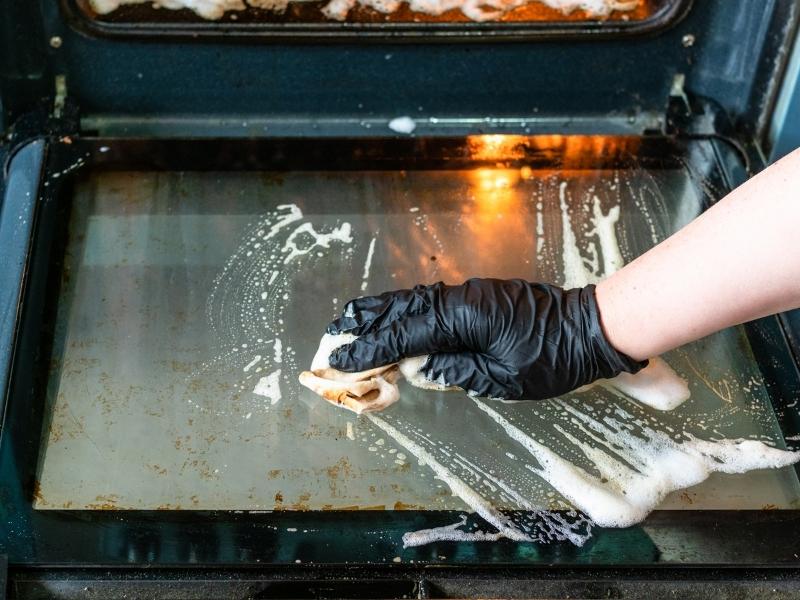
Once all the grease and paste are removed, you need to finish the job properly. Streaks happen when residue is left behind or when the wrong type of cloth is used. After cleaning with your damp microfiber cloth, take a completely dry lint-free cloth and buff the glass in circular motions. This removes any remaining moisture and product residue.
If you still see streaks, spray a light mist of clean water onto the glass and buff again. Sometimes streaks are caused by dried cleaning product rather than grease. A final wipe with plain water followed by immediate buffing usually solves this. We always finish our jobs this way at Cleaners Darlington UK because it guarantees that professional, crystal-clear result customers expect.
Streaks are usually caused by one of three things. Either you've left cleaning product residue on the glass, you've used a cloth that's not clean, or your water contains minerals that dry and leave marks. If you live in a hard water area, use distilled water for your final rinse. It makes a noticeable difference.
Another common mistake is buffing while the glass is still too wet. You need to remove most of the moisture with your damp cloth first, then do a final buff with a completely dry cloth. Using kitchen roll instead of a lint-free cloth can also leave fibres behind that look like streaks when the light hits them.
Never use wire wool or highly abrasive sponges on oven glass. These materials cause permanent scratches that cloud the surface and make it harder to clean in future. We've seen ovens where aggressive scrubbing has left the glass so damaged it needs replacing. UK manufacturers design oven glass to withstand extreme heat, not repeated abrasive cleaning. Long-term clarity is best maintained through regular light cleaning rather than infrequent heavy scrubbing.
Avoid harsh chemicals like oven cleaners meant for enamel interiors. These products can etch glass or damage the seals around the door. If you're cleaning a self-cleaning oven, check your manual before using any product. Some coatings react badly with acidic or alkaline cleaners.
Scratches on glass create tiny grooves where grease can settle. Once glass is scratched, it becomes progressively harder to clean because those microscopic grooves trap carbon deposits. What starts as a few light scratches eventually turns into a cloudy, permanently stained surface that can't be restored without replacing the entire door.
Professional catering cleaners estimate that oven glass can account for up to 40 percent of total oven cleaning time in commercial settings due to layered carbon deposits and multiple glass panels. Using abrasive tools might seem like a shortcut, but it creates long-term damage that costs far more to fix than the time saved.
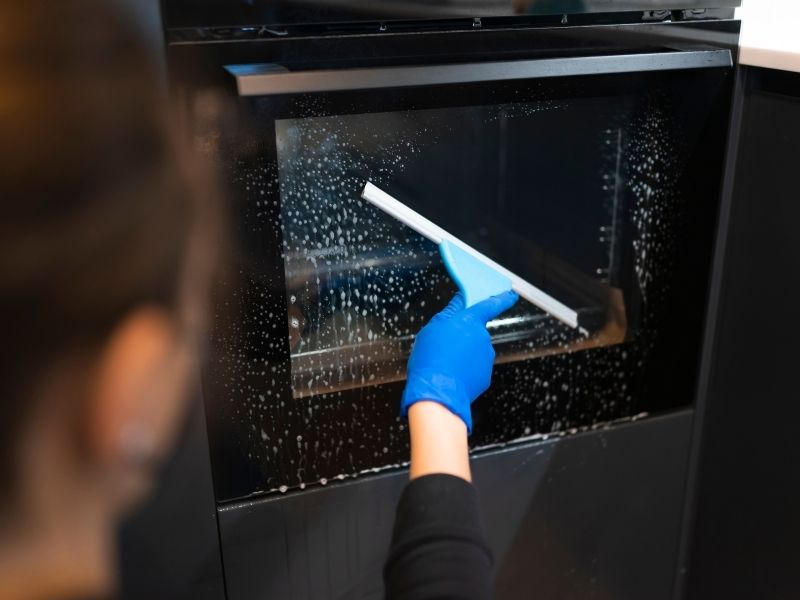
The best approach is little and often. In both domestic and commercial settings, people report the biggest improvement when oven glass is cleaned regularly, preventing grease from reaching the carbonised stage where removal becomes time-consuming and costly. We recommend a quick wipe after every few uses, and a proper clean with baking soda paste every two weeks.
If you cook with high-fat foods regularly, you'll need to clean more often. Roasting meat, baking pastries, or frying in the oven all produce more grease vapour. A simple wipe with a damp cloth while the oven is still slightly warm can prevent buildup before it hardens. This takes less than a minute but saves hours of scrubbing later.
Wait until the oven has cooled to a safe temperature but is still warm. Take a damp cloth and wipe down the inside of the glass door. The gentle warmth helps lift fresh grease before it has time to bond to the surface. Dry with a clean cloth immediately to prevent water spots.
Regularly wiping the oven glass after each use helps prevent grease buildup and keeps your door looking clear. This simple habit is the single most effective way to avoid the heavy carbon deposits that require scraping and harsh chemicals. It's also faster than waiting until the door is completely cold, when grease has already hardened.
Clean oven glass isn't just about appearance. In commercial kitchens across the UK, environmental health officers often flag dirty oven doors during inspections. Reduced visibility increases the risk of burns and heat loss when chefs are forced to open doors repeatedly to check on food. Clear oven glass in professional kitchens has been shown to improve service efficiency, allowing chefs to monitor food without opening the door, reducing heat loss and cooking time.
In rental properties, dirty oven glass trapped between panels is a common cause of deposit disputes. Landlords expect ovens to be returned in the same condition, and grease-streaked glass is one of the first things they notice during checkout inspections. Knowing how to remove the door and clean between the panels can save you money and arguments at the end of a tenancy.
When grease builds up on the glass, it blocks heat radiation and makes temperature sensors less accurate. UK appliance engineers report that many calls about ovens not heating properly are actually caused by heavy grease layers interfering with heat sensors and thermostats. The oven has to work harder to maintain temperature, which wastes energy and increases running costs.
UK fire safety data links grease buildup around oven doors and seals to thousands of minor kitchen fire incidents each year, particularly in takeaways, bakeries, and pubs using high-fat cooking methods. Grease is flammable, and when it accumulates on hot glass, the risk of ignition increases. Regular cleaning isn't just about cleanliness. It's a safety issue that protects your property and the people using your kitchen.
The most effective way to remove grease from kitchen walls is using warm water mixed with dish soap, applied with a soft sponge in circular motions, which is exactly what many people want to know when searching for how to clean grease off kitchen walls. For tougher buildup, baking soda paste or white vinegar solutions work well on most surfaces. The key is acting quickly before grease oxidises and hardens. Using a citrus based degreaser will always do the trick!
When we cook at high heat, grease becomes airborne and stays suspended for hours after you finish. Walls closest to your hob accumulate grease layers up to three times faster than walls elsewhere in your house. Even kitchens that look spotless can harbour invisible grease residue that traps dust and makes future cleaning harder.
Once grease cools and oxidises on your walls, it becomes up to six times more resistant to water alone. This explains why simply wiping with a damp cloth often spreads the residue instead of removing buildup stains effectively. Paint finishes matter too. Flat and chalky paints absorb into microscopic pores, while silk and semi-gloss finishes keep grease sitting on the paint surface for easier removal.
We see painted walls in most domestic and commercial kitchens. Different paint types respond differently to degreasing methods. Matte paint finishes require extra care because aggressive scrubbing can strip away the paint layer itself. Always test your cleaning method on an inconspicuous area first, typically behind a door or in a corner where buildup stains are less visible.
For painted walls, start with the gentlest cleaning method and work up if needed. Mix warm water with a few drops of mild detergent. The temperature matters more than people realise. Using warm water when cleaning greasy walls improves breakdown efficiency by around 30 percent compared to cold water, especially on painted walls.
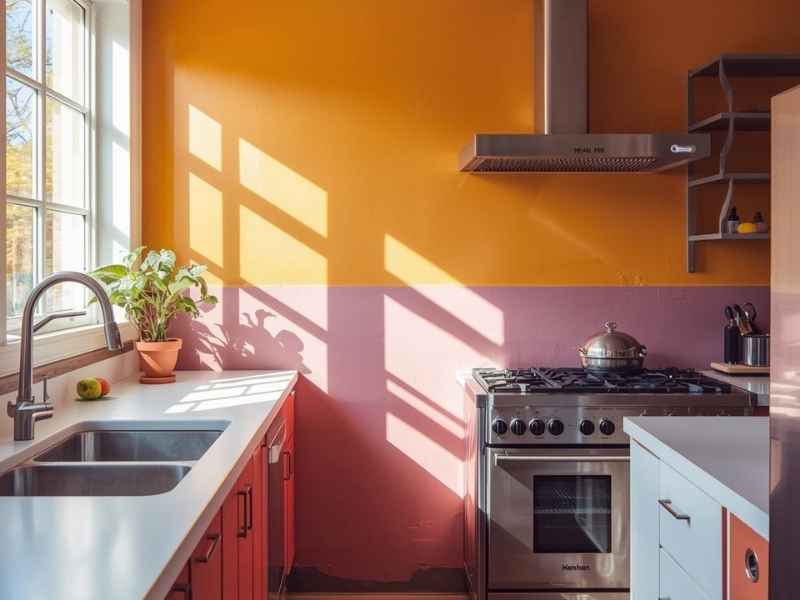
Wooden walls appear in some commercial kitchens and period properties. These surfaces need special attention because excess water damages wood over time. For wooden walls, we recommend mixing 2 cups of warm water with 2 tablespoons of white vinegar and 2 tablespoons of olive oil. This combination removes grease whilst providing natural protection for the wood surface.
Apply the solution with a soft cloth and work in the direction of the wood grain. Never saturate wooden walls with liquid. The oil component helps condition the wood as you clean, preventing the drying effect that harsh cleaning chemicals can cause.
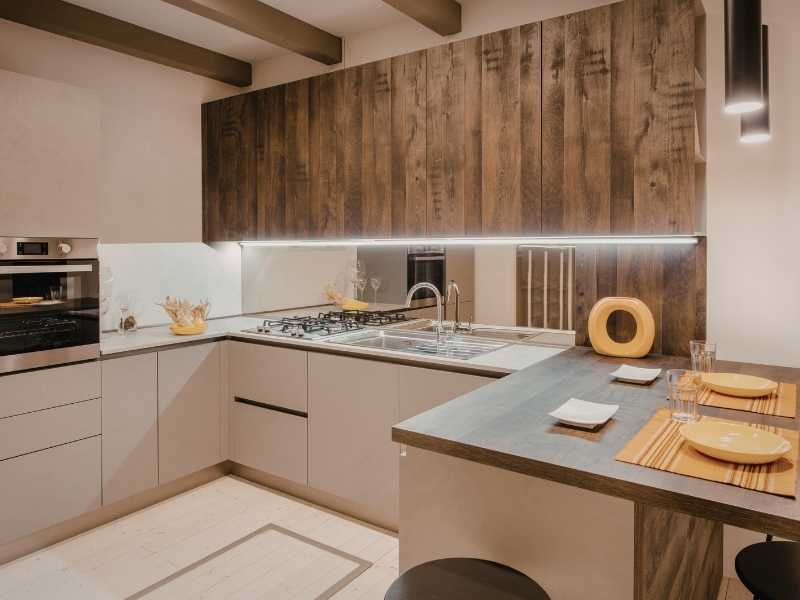
Ceramic tiles and glossy surfaces tolerate stronger cleaning agents than painted or wooden walls. Mix equal parts vinegar and warm water in a spray bottle for an effective grease remover. Spray the solution directly onto the affected area and let it sit for five minutes before wiping with a soft cloth.
The acidity in vinegar breaks down bonds effectively. For commercial kitchens with extensive tile work, this method saves time whilst remaining gentle on grout lines. After cleaning, rinse with clean water and dry with a clean towel to prevent water marks.
For light grease that builds up from normal cooking, regular maintenance prevents stubborn problems later. Cleaning grease stains from walls before they harden reduces scrubbing effort by nearly half, helping prevent damage to paintwork and plaster underneath.
Mix warm water with dish soap in a bucket. Dawn dish soap works particularly well because it cuts through efficiently. Dip a soft sponge into the soapy solution, wring out excess liquid, and wipe walls using circular motion. This technique lifts grease stains without grinding them deeper into the paint surface.
Degreasing kitchen walls regularly can reduce overall kitchen cleaning time by up to 25 percent. Grease stains attract dirt, so keeping greasy walls clean means less buildup overall. We recommend wiping kitchen surfaces near your hob at least once weekly to remove grease before it becomes stubborn. Regular cleaning keeps greasy walls manageable and prevents the need for intensive scrubbing later.
Stubborn grease stains need more than basic soap and water to remove residue effectively. Baking soda provides an alkaline cleaning agent that naturally breaks down oil. Create a paste by mixing baking soda with enough warm water to form a spreadable consistency.
Apply the paste to greasy stains and marks using your fingers or a sponge. Let the mixture sit for 10 to 15 minutes so the soda can penetrate and break down bonds. The alkaline properties work to dissolve the buildup during this time. After the paste has done its work, scrub gently in circular motion with a damp cloth to remove the loosened grease stains.
For cleaning grease stains on tiles and other surfaces, the same baking soda paste works on grout lines too. Stubborn grease stains might need a second application. Once you remove stains completely and the stain disappears, rinse the area with clean water and wipe dry to prevent residue. Then wash the sponge thoroughly before storing it.
Stubborn stains and stubborn marks that have been building for months require stronger intervention to get grease removed and get results. In commercial kitchens especially, buildup near preparation areas can become thick and sticky. Distilled white vinegar offers a powerful solution for these challenging situations on painted walls and other surfaces.
Mix one part white vinegar with two parts warm water in your bucket. For very heavy buildup on painted walls, use equal parts vinegar and water for stronger concentration. Apply generously with a spray bottle and let the solution sit for 15 to 20 minutes. The acid needs time to penetrate and break down oxidised grime on painted walls.
After soaking, use a soft sponge or brush to scrub the loosened buildup gently. You may need to scrub and repeat the process for particularly stubborn areas to fully clean the surface. In homes where extractor fans are rarely used, deposits can become noticeably thicker within six to eight weeks of regular use. These cases benefit from monthly sessions where you work and clean thoroughly.
Fresh oil stains respond best to immediate treatment. When you notice new splatters, grab a paper towel, paper towels and more paper towels and blot the affected area gently. This removes excess liquid before it spreads or sinks into the wall surface and paint beneath.
After blotting with paper towel, sprinkle powder directly onto the stains. The powder absorbs remaining liquid over the next 15 minutes. Brush off the soda with a dry cloth, then follow up with your regular cleaning method using warm water and dish soap to get grime completely out of the paint.
For wallpapered walls, this absorption method works best because moisture can damage wallpaper backing. Never spray solutions directly onto wallpaper. Instead, apply products to your cloth first, then dab carefully at the oil stains to remove oil stains without soaking the paper.
Commercial kitchens deal with buildup on a different scale than domestic properties. A greasy kitchen with heavy use requires industrial strength products. Products like Krud Kutter Kitchen Degreaser or Fantastik offer the power needed to get grease off baked-on deposits. These formulations contain surfactants specifically designed to break down commercial cooking grime.
Commercial degreasers work faster than homemade solutions for extensive cleaning tasks. At Cleaners Darlington UK, we use these products when we clean greasy walls in commercial settings that see constant use. We also help clients clean greasy kitchen walls in busy cafes and restaurants where buildup buildup happens quickly. Always ensure the space has proper ventilation when using stronger cleaning chemicals to get fumes cleared from the greasy kitchen environment.
Apply commercial degreaser according to manufacturer instructions. Most require spraying solution directly onto surfaces, allowing dwell time, then wiping clean to remove grease thoroughly. Follow up with a rinse using clean water to remove chemical residue and wash away any remaining solution.
For areas around food preparation, non-toxic cleaning agents provide peace of mind. Look for biodegradable formulas safe for use in commercial kitchens. Many modern commercial degreasers now offer plant-based alternatives that match traditional products for effectiveness.
A mixture of half a cup white vinegar, quarter cup baking soda, and one gallon of warm water creates a gentle yet effective cleaner suitable for any kitchen surface. This solution costs less than commercial products whilst remaining completely food-safe.
Your choice of cleaning tools affects results significantly. Soft sponges work best for most wall surfaces because they clean without scratching paint or causing damage. We avoid abrasive scrubbers on painted walls as these scrub away the paint finish.
Microfibre cloths excel at trapping particles. Keep several on hand so you can switch to a clean towel or clean cloth as needed. This prevents spreading dirty grease around whilst you clean and wipe down kitchen walls. Paper towels serve well for initial blotting of fresh spills with paper towel.
Having the right sponge makes a difference when you need to scrub stubborn grease stains. A quality sponge holds enough solution to clean effectively whilst allowing you to wipe and scrub without excessive dripping.
A quality spray bottle distributes your chosen product evenly across wall surfaces. This method uses less product than pouring directly whilst giving better coverage. Fill one spray bottle with your vinegar mix and another with plain water for rinsing to clean properly.
Label bottles clearly to avoid confusion whilst you clean. For commercial operations, colour-coded bottles help staff identify products quickly and clean efficiently.
For extensive projects, mixing your products in a bucket makes more sense than repeated small batches and helps you clean more efficiently. A two-bucket system works well: one holds your chosen product, the other rinse water. This keeps your sponge ready to clean throughout the job and lets you scrub and rinse as you work.
Splash guards or washable panels behind stovetops protect walls from direct grease splatters. These removable surfaces clean more easily than walls and prevent grime from reaching the paint beneath. Glass panels work particularly well in commercial kitchens because they tolerate high heat and wipe clean quickly. Some general tips for protecting your house include positioning these guards to cover the most vulnerable areas.
Proper ventilation during preparation reduces airborne particles that settle on walls throughout the property. Installing or upgrading your extractor fan makes a measurable difference in keeping your house free from grime deposits. Run the fan for at least 15 minutes after finishing cooking to clear lingering vapour.
Grease released during frying stays airborne for several hours, settling slowly onto kitchen surfaces and walls long after you finish. Good ventilation interrupts this process by removing oily air before it deposits on walls. These general tips about ventilation apply to both commercial and domestic settings.
When redecorating, select washable or glossy paint instead of matte or satin paint finishes. These paint surfaces allow grease to sit on top rather than soaking into microscopic pores. Cleaning becomes easier and you preserve the paint appearance longer.
Some homeowners repaint kitchen walls earlier than expected because grease buildup darkens paint colour and wall paint over time. Choosing the right paint finish from the start prevents this issue. Semi-gloss or satin paint finishes balance durability with appearance. The right paint choice means fewer grease stains penetrating the paint surface, making it easier to clean greasy kitchen walls and remove grease stains that do appear.
Flat paint or bare plaster absorbs grease deep into the material. These cases sometimes resist even thorough cleaning attempts to remove grease stains. If you have cleaned repeatedly but grease stains and oil stains remain visible, the buildup may have penetrated beyond the paint surface layer.
For these situations, applying a stain blocking primer before repainting often provides the only lasting solution to remove grease stains permanently. The primer seals the buildup so it cannot bleed through a new layer of paint. Choose a primer specifically designed for blocking stains and grease stains, then follow manufacturer application instructions carefully.
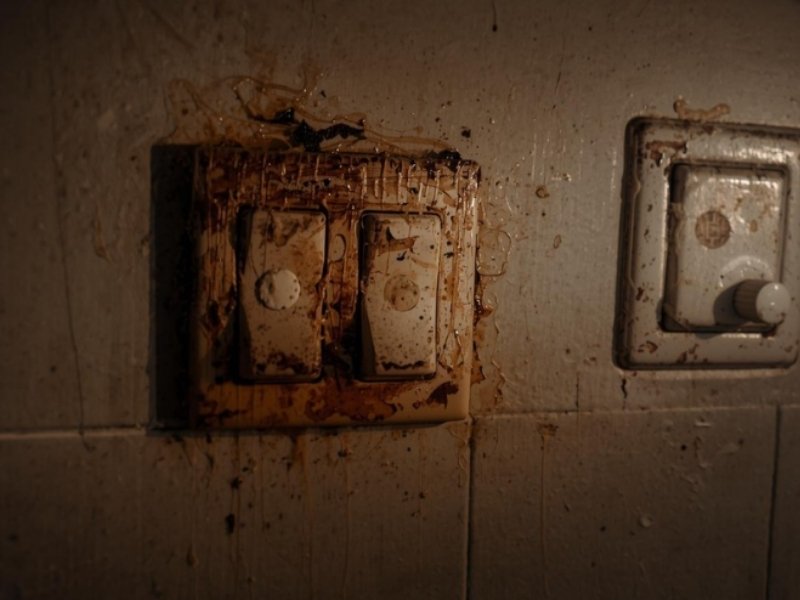
Areas around electrical fixtures accumulate grease but require careful cleaning to avoid moisture damage. Never spray cleaning solutions directly onto switches or sockets. Instead, apply your chosen cleaner to a cloth, wring out thoroughly, and carefully wipe around these areas.
For safety, switch off power at the consumer unit when cleaning near electrical points. Use minimal moisture and dry immediately with a clean cloth.
Textured surfaces trap grease in crevices, making removal challenging. A soft brush helps work your chosen degreaser into uneven surfaces and lets you clean effectively. Apply your chosen product, let it sit, then use gentle brushing motions to lift dirt from texture peaks and valleys as you clean and scrub carefully.
Rinse textured walls carefully using paper towels because liquid can pool in indentations. Multiple passes with barely damp paper towels remove residue without oversaturating the surface. Fresh paper towels for each section ensure you clean thoroughly.
Excess water damages paint adhesion and wallpaper backing when you try to clean walls. Always wring out sponges thoroughly before touching walls. Your cloth should feel damp, not dripping, as you clean. Too much moisture causes paint to bubble or wallpaper to peel whilst you clean.
Vigorous scrubbing seems logical for stubborn stains but often causes more problems than it solves. Let your chosen products do the work through chemical action rather than physical force as you clean. Apply your product, wait for it to break down the buildup, then gently scrub to clean properly.
Walls that you clean with appropriate degreasing methods stay cleaner longer because removing buildup fully reduces the sticky surface that attracts new residue. Patient, gentle methods as you clean preserve your walls whilst achieving better results.
Never mix different products unless you understand the chemistry involved. Some combinations create dangerous fumes or reduce effectiveness as you try to clean. Stick to one method at a time to clean safely.
If switching between products, rinse the wall thoroughly between applications to clean properly. This prevents unexpected chemical reactions whilst you clean.
Professional cleaners bring specialised equipment and products unavailable to most homeowners. We at Cleaners Darlington UK handle extensive tasks in both domestic and commercial settings and know how to clean properly. Professional service makes particular sense for rental turnovers, end-of-tenancy requirements, or commercial kitchen deep sessions where you need experts who can clean fast.
Professional teams work faster than DIY efforts for large-scale jobs. We understand which methods suit different surfaces and can tackle difficult situations like grease that has built up over years. We know how to clean efficiently and thoroughly.
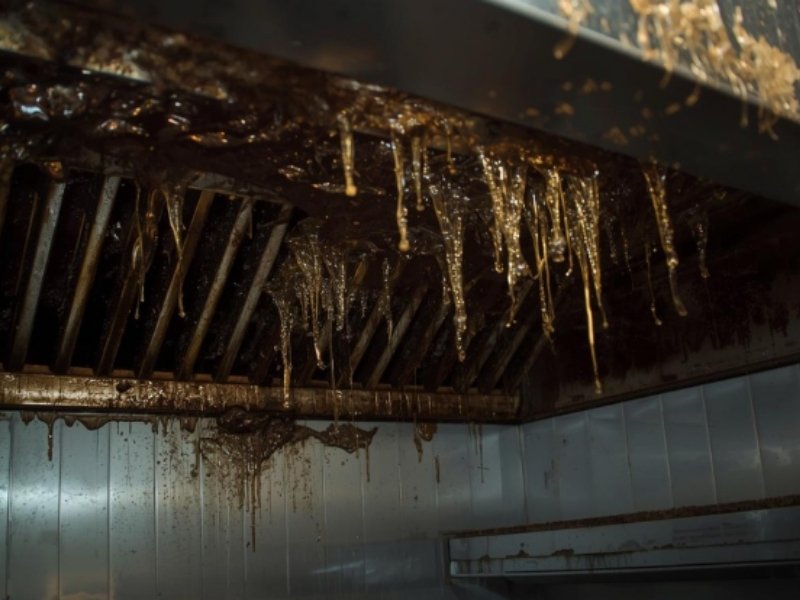
Some kitchen layouts include high walls or areas above cabinets that accumulate grease but prove difficult to access safely. Professional cleaners have proper ladders, extending tools, and safety training for working at height.
Restaurant and cafe owners often lack time for thorough wall work during business hours. Hiring professionals allows deep sessions during closed periods without pulling staff away from food preparation duties. Professionals can clean quickly and thoroughly when you need results fast.
Keep a microfibre cloth or gentle cleaning wipe handy for quick touch-ups. When you notice fresh splatters, wipe them immediately before grease sets. This two-minute habit prevents hours of deep cleaning later and keeps your cleaning method simple.
Once weekly, wipe down areas directly around your hob with warm soapy water. This prevents grease from building to levels that require intensive intervention. Regular attention keeps kitchen walls looking fresh with minimal effort. The weekly wipe keeps surfaces clean and ready for cooking.
Even with regular maintenance, some spots accumulate more grease than others. Monthly spot treatments using baking soda paste or vinegar address these trouble zones before they become major problems and help you maintain walls that stay clean longer.
Focus on areas beside the hob, above the kettle, and near the toaster to clean where buildup happens first. These locations typically show grease accumulation first in both domestic and commercial kitchens and require attention to keep them clean.
Grease consists of molecules that repel water naturally. This explains why water alone fails to clean and remove greasy stains effectively. Soap and detergent work by surrounding molecules in microscopic bubbles that rinse away with water when you clean surfaces. Many people also wonder how do you clean an oven glass door, which is a common area affected by stubborn grease.
Alkaline cleaners like baking soda break down organic grease through a chemical reaction called saponification. This process converts oils into soap-like substances that wash away easily and clean thoroughly. Acidic cleaners like vinegar work differently, breaking bonds between grime and the wall surface. When you mix these cleaning solutions properly, they provide powerful grease removal.
Hot water increases molecular activity, making both types of cleaner work faster and more effectively. This scientific principle explains why warm water consistently outperforms cold in grease removal tasks. The heat helps the cleaning solution penetrate and clean better than cold water would achieve.
Kitchen walls that stay clean contribute to a healthier environment in both domestic homes and commercial properties. Regular maintenance prevents the stubborn buildup that requires aggressive methods potentially damaging to surfaces and helps you keep walls clean year-round.
The most effective approach combines prevention through good ventilation and protective surfaces with regular light work and occasional deep treatments when needed. Understanding your wall type and choosing appropriate methods for that specific surface protects your investment whilst achieving excellent results as you clean.
At Cleaners Darlington UK, we help property owners throughout the region maintain spotless kitchens that stay clean. Whether you need regular maintenance or a one-off deep session, professional support ensures your kitchen walls stay in top condition without the time investment and effort required for DIY approaches when you want results that truly clean.
At Cleaners Darlington UK, we remove nicotine stains using a combination of degreasing solutions and proper preparation. The most effective approach involves cleaning with white vinegar mixed with warm water, or for stubborn cases, using trisodium phosphate followed by an odor blocking primer before repainting. The key is understanding that nicotine residue behaves like grease, not dirt, so standard cleaners often spread the stain rather than lift it.
Nicotine stains appear as an unsightly dirty yellow-brown colour that goes beyond simple surface dirt. What most people see is actually a combination of nicotine, tar, and airborne grease. This residue is oily and hygroscopic, meaning it attracts moisture from the air, which explains why walls in smoking environments continue to yellow over time even after smoking has stopped.
We've worked in properties where painted walls and plaster have absorbed nicotine particles deep into surface layers. In heavy smoking environments, this staining can remain embedded for 5 to 10 years or more if not treated properly. The chemicals involved include nicotine itself, an addictive poisonous chemical found in tobacco that can cause increased heart rate and use of oxygen by the heart.
Because cigarette smoke contains many chemicals that penetrate walls and surfaces, simple water-based cleaners without degreasers often drag the stain across the wall, making it appear larger and more uneven. This is one of the main reasons DIY attempts sometimes make things worse before they get better, especially when people attempt how to remove nicotine stains from walls without the right process.
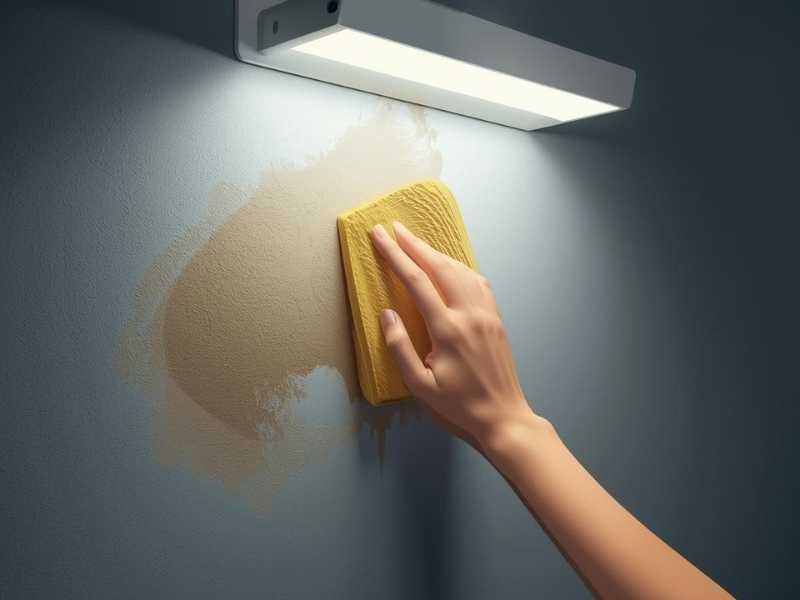
We notice nicotine residue becomes more visible in warm or humid rooms. Heat causes tar and nicotine oils to migrate to the surface, which is why staining often appears worse in living rooms, kitchens, and stairwells compared to cooler bedrooms. Because smoke rises, ceilings often contain higher concentrations of residue than walls, frequently appearing darker or more yellow even when walls look relatively clean.
Proper preparation makes a significant difference in both safety and results. Prolonged exposure to nicotine and cigarette smoke during cleaning can lead to skin irritation, respiratory problems, allergies, and in extreme cases, contribute to cancer risk. We always wear gloves when handling these chemicals, along with goggles and old clothes to protect against caustic cleaning agents.
Good ventilation is crucial when using harsh cleaning agents due to their strong fumes. Open windows and doors to create airflow throughout the room. Moving furniture away from walls prevents damage and gives you clear access to all affected surface areas. Laying down a drop cloth protects your floor from drips and chemical splashes.
For light stains, a dry cleaning sponge can remove nicotine stains without using water. This works well for recent buildup or rooms with minimal smoking. You'll also want a soft sponge, clean cloth, and spray bottle for applying solutions.
For moderate to heavy stains, gather white vinegar, baking soda, dish detergent, and warm water. Keep a bucket handy for mixing your cleaning solution and multiple cloths for wiping and rinsing. A scrub brush helps with textured walls, though a soft cloth works better on smooth painted surfaces to avoid scratching.
For the most stubborn cases, you may need to find tsp at your local hardware store. When working with trisodium phosphate or an ammonia mixture, always wear gloves and ensure your space is well ventilated.
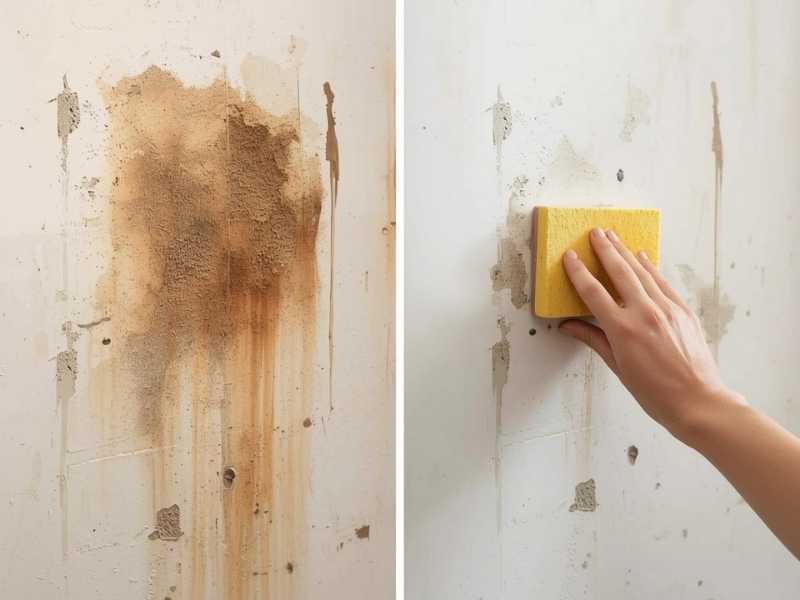
We always begin by removing loose particles before introducing any liquid. A dry cleaning sponge lifts surface layer residue without spreading it around. This step prevents you from turning dust and loose tar into a muddy paste when you start wet cleaning.
Work from top to bottom in small sections, using gentle pressure. The sponge will darken as it picks up residue. When one side gets saturated, rotate to a clean section. For ceilings, which usually hold more nicotine than walls, this dry phase is especially important.
Some properties we service have such light buildup that a dry cleaning sponge handles the entire job. This method works best when smoking was minimal or confined to specific areas of the room.
White vinegar remains one of the most effective home remedies for nicotine stains. Mix 1 cup white vinegar, 2 cups warm water, and half a cup baking soda for a cleaning solution that breaks down the oily residue. The vinegar cuts through grease while baking soda acts as a natural deodorizer to absorb lingering odours.
Dip a soft sponge into the solution and wring it out so it's damp but not dripping. Starting from the bottom of the wall helps prevent dirty water streaks. Work in circular motion across small sections, rinsing your sponge frequently in clean warm water.
A mixture of white vinegar and warm water tackles nicotine because vinegar is acidic enough to break down tar bonds without damaging most paint finishes. We've used this approach successfully in hundreds of domestic properties where tenants smoked moderately for a few years.
After cleaning each section, wipe the area with a cloth dampened in plain water to rinse away any remaining chemical residue. This prevents streaking and removes the vinegar smell. Allow walls to air dry completely before assessing whether another pass is needed.
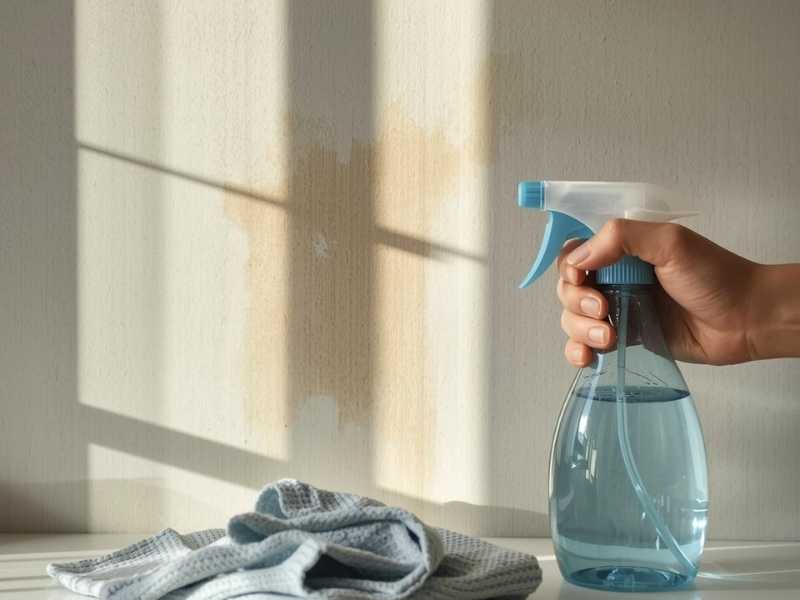
When vinegar doesn't fully remove nicotine stains, we move to stronger options. An ammonia mixture combines a couple squirts of dish detergent with how much water depends on the severity, typically a gallon of warm water with one cup of ammonia. This solution must be used in a well ventilated area because ammonia fumes are harsh on the respiratory system.
Apply the solution with a clean cloth, working in sections and avoiding overlap. The chemicals in this mixture are powerful degreasers that break down even heavy stains that have built up over years. We always rinse thoroughly after using ammonia to prevent any interference with paint or primer applications later.
Trisodium phosphate is the professional choice for the most challenging cases. Mix tsp according to package directions, usually one cup of tsp pf per gallon of water. This creates a powerful cleaning agent that strips nicotine right down to the base surface.
The key with trisodium phosphate is protecting your well being during application. Gloves are essential, as tsp can irritate skin. Work methodically, washing one wall section at a time, then immediately following with a rinse using plain water and a separate sponge. This removes residual chemicals that could affect your painting process later.
We use trisodium phosphate in commercial properties where smoking occurred for decades. The difference is dramatic, transforming brown-yellow surfaces back to near-original condition. However, because it's caustic, we always test solutions on a small area first to ensure they don't damage the paint.
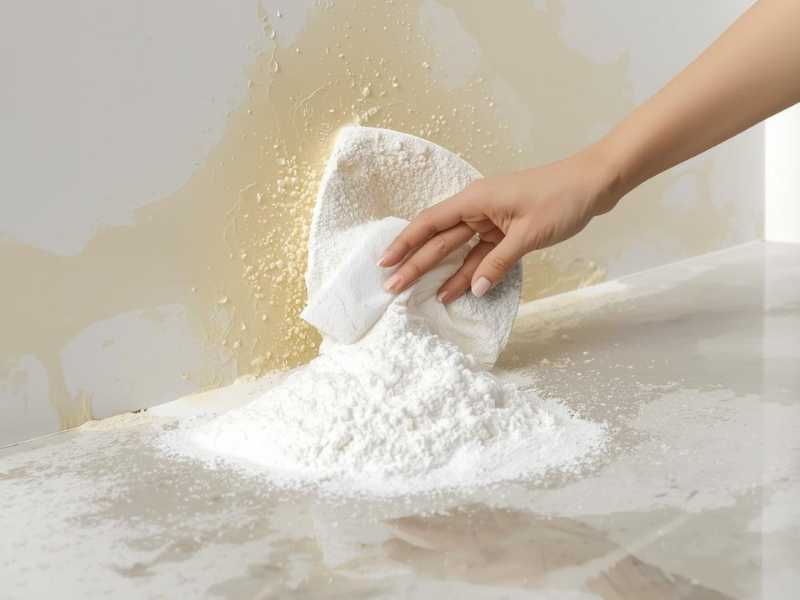
Removing nicotine stains properly can dramatically reduce lingering odours without using air fresheners, because the same residue responsible for yellow walls is also the primary cause of persistent smoker smell. However, sometimes the smell persists even after surfaces look clean.
Baking soda helps in these situations. After cleaning, sprinkle it on affected surface areas and leave it for several hours or overnight. The powder absorbs odour molecules trapped in porous materials. Vacuum the powder away, removing both the baking soda and the smell it captured.
For rooms where odour remains strong, we sometimes need to address fabrics and furniture that have absorbed smoke. Carpets, curtains, and upholstered furniture can hold as much nicotine as walls. Professional cleaning or replacement may be necessary for these items to fully eliminate the smell from a room.
Removing nicotine stains helps improve indoor air quality by eliminating volatile organic compounds that can linger in the air long after smoking stops. These VOCs contribute to respiratory irritation and allergic reactions in sensitive individuals. We've had clients report significant improvements in breathing comfort within days of thorough nicotine remediation.
The air in a properly cleaned space feels fresher because you've eliminated the source of contamination, not just masked it. This matters especially in rental properties where new tenants may have sensitivities or young children whose health could be affected by residual chemicals.
Cleaning alone often isn't enough for a lasting finish. Nicotine stains are one of the most common causes of paint failure. Decorators frequently report nicotine contamination as a leading reason new paint discolours within weeks. Without proper preparation, yellow or brown patches can reappear through multiple coats.
After removing nicotine with your chosen cleaning solution, allow walls to dry completely. This typically takes 24 to 48 hours depending on humidity and ventilation. Painting over damp surfaces traps moisture and prevents proper primer adhesion.
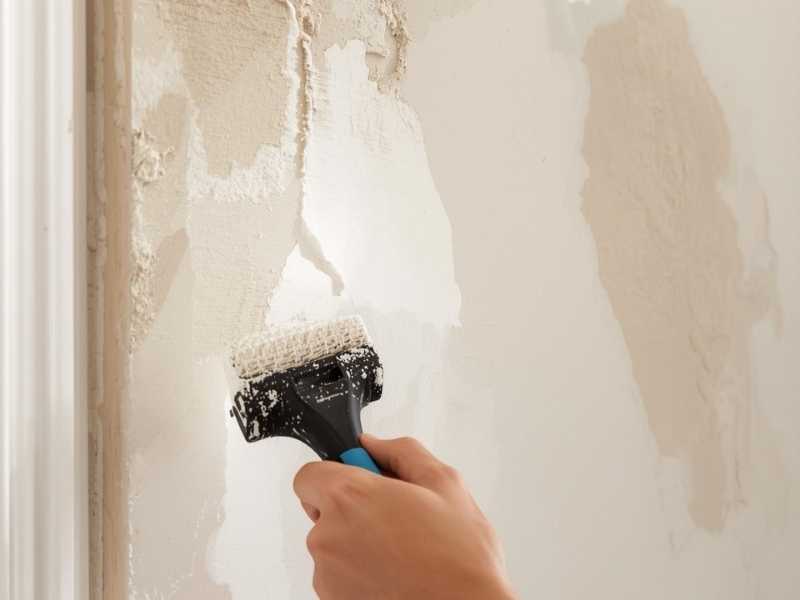
In many cases, nicotine stains can bleed through paint within days or weeks if the wall hasn't been degreased and sealed correctly. This happens because the oily residue continues to migrate through water-based paints, even after multiple applications. We've seen property owners apply three or four coats only to watch yellow patches reappear within a month.
The solution is using an odor blocking primer before applying your final paint. Stain-blocking primers like Kilz are necessary for deeply stained walls to prevent stains from bleeding through after repainting. These products contain shellac or oil-based ingredients that create a barrier between the old nicotine residue and your new finish coat.
Apply at least one coat of primer, paying special attention to areas where staining was heaviest. For severe cases, a second coat of primer ensures complete coverage. Only after the primer has fully cured should you apply your chosen paint colour.
Not all walls respond the same way to nicotine cleaning. Textured surfaces like artex or rough plaster hold more residue in their grooves and valleys. These require a scrub brush rather than just a soft cloth to work cleaning solution into crevices.
Be gentle when you scrub textured walls. Aggressive scrubbing can damage the texture pattern or loosen old plaster. Use circular motion with moderate pressure, allowing the chemicals to do most of the work rather than relying on elbow grease alone.
Wallpaper presents unique challenges. The paper itself absorbs nicotine deep into its fibers, and moisture can cause it to peel or bubble. In most cases where wallpaper shows significant nicotine damage, removal and replacement proves more effective than cleaning. If you choose to clean wallpapered surfaces, use minimal water and test in an inconspicuous area first.
Professional cleaning services can effectively remove nicotine stains and odours from walls and ceilings using techniques not typically available to homeowners. We use chemical washing, a technique that involves professional-grade degreasers and neutralizers applied in controlled sequences for maximum effectiveness.
For severe contamination, we sometimes employ ozone treatment, an industry-standard technique used to eliminate cigarette odours from properties. This process oxidizes odour molecules at a molecular level, destroying them rather than just covering them up. It requires temporarily vacating the property but provides results that simple cleaning cannot match.
Homes with nicotine-stained walls can lose visual value instantly according to estate agents, who often note that visible nicotine staining can reduce perceived property appeal immediately. Buyers associate yellowed walls with long-term neglect, regardless of the actual condition of the property. This perception affects resale value.
For landlords and property sellers, professional nicotine removal often pays for itself in faster sales and higher offers. The investment in proper cleaning and sealing prevents the need for price reductions due to visible smoking damage. In commercial properties, the calculation includes lost rental income during extended DIY cleaning attempts versus quick professional turnaround.
Using the wrong cleaning products can smear nicotine residue rather than remove it. We've responded to calls from people who tried standard household cleaners only to create larger, streakier stains. Because nicotine is oily, products formulated for regular dirt simply spread the grease around.
Another frequent error is painting over nicotine without cleaning. This is rarely permanent. The stains bleed through, wasting time and money on paint that won't last. Some people assume that covering with a darker colour will hide the problem, but nicotine will eventually show even through deep colours.
Skipping the rinse step after cleaning leaves chemical residue on your walls. This residue can react with primers and paint, causing poor adhesion or discolouration. Always follow cleaning with a plain water rinse and allow proper drying time.
Starting from the top of walls seems logical, but it creates drip marks through areas you haven't cleaned yet. These dirty water streaks dry as new stains that require additional scrubbing. Working from bottom to top means any drips fall onto areas you'll clean next anyway.
Not protecting yourself properly is another mistake we see. Some people attempt nicotine cleaning without gloves, leading to skin irritation from prolonged chemical contact. The advice we give is simple: treat this like any serious cleaning job with appropriate protective gear.
Once you've invested the effort to remove nicotine stains, preventing recurrence matters. If smoking continues in the space, stains will return. Designating outdoor smoking areas eliminates new contamination entirely. For situations where indoor smoking cannot be avoided, increasing ventilation and using air purifiers reduces how much residue settles on surfaces.
Regular light cleaning prevents buildup from reaching the point where aggressive chemicals become necessary. Wiping down walls monthly with a damp cloth removes fresh residue before it bonds permanently to paint. This maintenance approach works particularly well in commercial settings where some level of smoking is unavoidable.
Sealing walls with quality primer and paint after cleaning creates a less porous surface that resists future staining. Higher-sheen finishes like satin or semi-gloss wipe clean more easily than flat paint, making them better choices for rooms where smoking may occur.
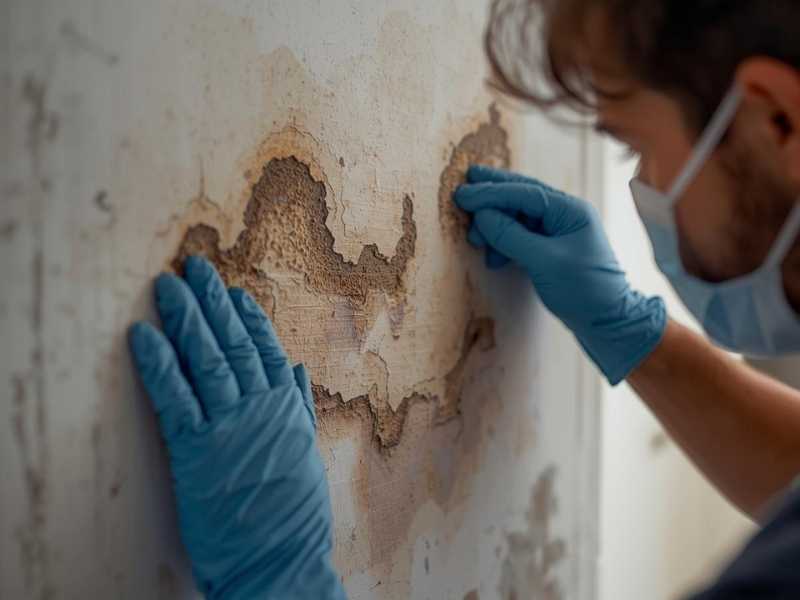
For light staining in domestic properties, start with the white vinegar solution. It's safe, affordable, and effective for recent nicotine buildup. Most homes where smoking occurred for less than five years respond well to this approach combined with proper sealing before repainting.
When dealing with moderate to heavy stains from years of smoking, trisodium phosphate provides the cleaning power needed without excessive cost. Follow the instructions carefully, protect yourself and your space, and don't skip the rinsing process.
For commercial properties, rental turnovers, or estate sales where presentation matters immediately, professional services deliver faster, more complete results. The combination of industrial-grade cleaners, proper equipment, and experience with severe cases justifies the cost through time saved and guaranteed outcomes.
Whatever method you choose, remember that nicotine stain removal is a process, not a single step. Cleaning, rinsing, sealing, and painting all contribute to a final result that looks professional and lasts for years. The key is understanding what you're dealing with and matching your approach to the severity of contamination.
UK landlords face no legal requirement that specifically mandates clean between tenants for residential or commercial properties. While this is the clean legal truth, landlords still clean properties between tenancies for practical business reasons. Properties remain clean and ready through landlord effort to avoid disputes, attract new tenants faster, and protect full deposit returns when needed.
Do landlords have to clean between tenants under current UK law? There is no single statute explicitly answering this question. The legal obligation sits with landlords to provide safe, habitable properties rather than spotlessly clean ones. Residential landlords must meet standards under the Homes (Fitness for Human Habitation) Act 2018, but this focuses on health hazards, not cleanliness itself.
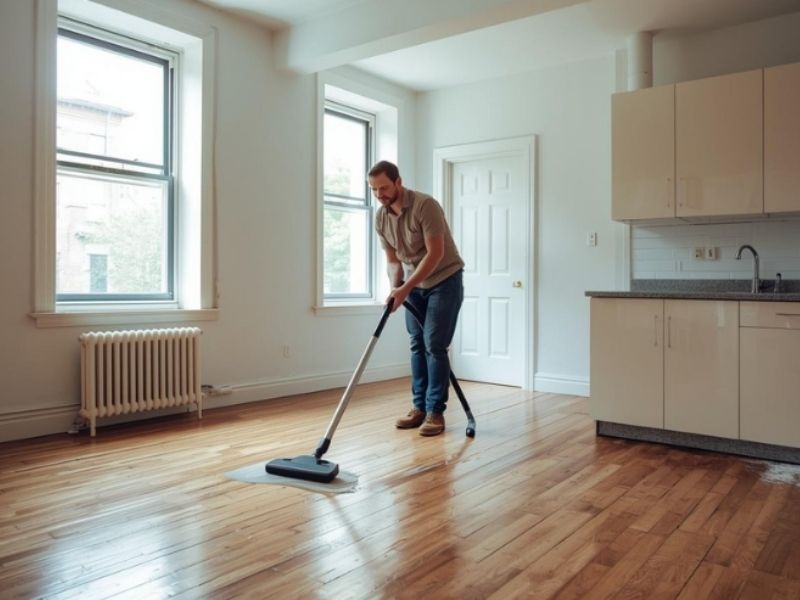
Most tenancy agreements state properties should be returned in reasonable condition accounting for wear and tear. This creates expectations around cleanliness without imposing legal requirements on landlords themselves. Landlords expect tenants to meet reasonable clean standards, but landlords themselves clean properties to prepare them for new occupants.
Professional cleaning appears frequently in tenancy agreement clauses, causing confusion. The phrase refers to the clean standard achieved, not who performs the work. Tenants may complete DIY cleaning if it meets professional clean standards. Landlords cannot force tenants to hire professional cleaning service providers at the end of a tenancy under tenant fees reforms passed in 2019.
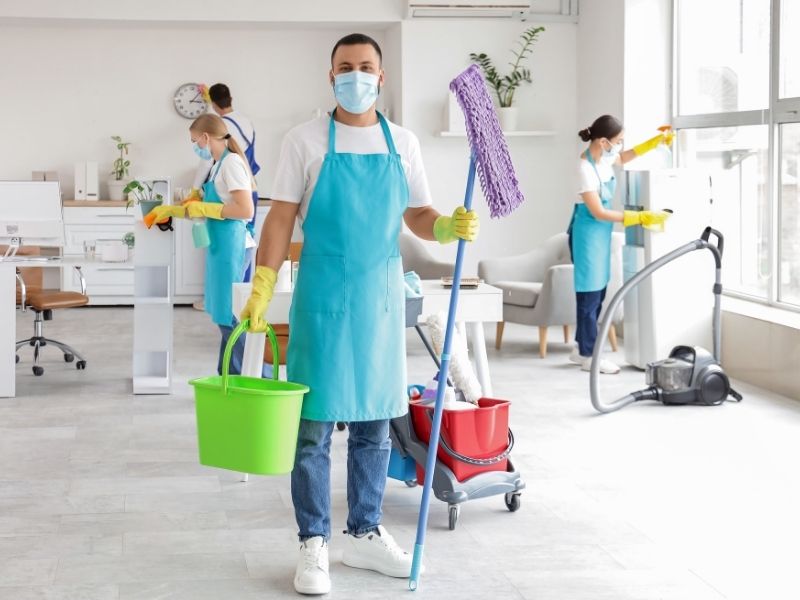
Commercial properties rely on lease wording rather than housing standards. If cleaning responsibilities aren't specified in the rental agreement, landlords face no obligation beyond handing over the property in its agreed state. Commercial landlords and tenants negotiate these terms during lease discussions, making every rental property situation different.
Landlords clean properties for business success, not legal compliance. Properties presented clean attract higher quality tenants and rent faster. This practical reality drives landlord behaviour across both residential and commercial sectors.
Clean properties let quickly. When tenants move and properties sit empty, landlords lose rental income daily. Having a clean property ready for viewings immediately brings new tenants in faster. Properties requiring cleaning between viewings delay the process and extend void periods.
We've seen properties at Cleaners Darlington UK let within days when presented clean versus weeks when landlords delay. New tenants judge properties instantly. First impressions determine whether potential tenants submit applications or continue searching elsewhere.
Cleaning impacts rental value substantially. Clean properties command better rents and attract professional tenants who maintain properties properly. Landlords who invest in making properties clean between tenancies usually avoid problems later. Tenants entering clean spaces feel valued and tend to maintain those clean standards themselves.
Tenants carry clear responsibilities to return rental property in the same condition they received it. Every tenancy agreement specifies this requirement. Tenants clean properties to meet landlord expectations set at the tenancy start.
Normal wear and tear differs from cleaning neglect. Fair wear includes carpet flattening from furniture, minor paint scuffs, and fixture ageing. These don't justify deposit deductions. However, dirt, grime, and mess exceed fair wear limits. Landlords charge tenants who leave properties requiring professional cleaning to restore clean condition.
The grey area between fair wear and cleaning duties causes friction. What constitutes reasonable wear and tear varies between landlords. Some landlords accept properties needing light clean work. Others expect properties returned spotlessly clean. This grey area generates most tenancy cleaning disputes.
Tenants who hire professional cleaners increase chances to pass inspection and secure full deposit returns. Professional cleaning produces results meeting landlord expectations more reliably than DIY cleaning. End of tenancy cleaning services specialise in achieving clean standards landlords require, and many tenants often ask how much does an end of tenancy clean cost in Darlington when planning their move-out budget.
Professional cleaning costs typically range from £150 to £300 for average two bedroom properties. This expense often protects larger deposit amounts. Tenants weighing whether to hire professional cleaners should consider their deposit value against professional cleaning costs.
Professional end of tenancy cleaning focuses on areas landlords scrutinise most. Kitchens require clean ovens, hobs, and appliances. Bathrooms need clean tiles, fixtures, and removal of limescale buildup. Windows, skirting boards, and light switches often reveal whether tenants clean thoroughly or superficially.
A comprehensive tenancy cleaning checklist prevents missed areas during move out. Checklists ensure every room receives attention to meet landlord expectations. Tenants following detailed checklists clean systematically rather than randomly, producing better results.
Tenancy cleaning covers more than regular household cleaning. It addresses areas often neglected during occupancy. This includes inside appliances, behind furniture, high areas like ceiling corners, and detailed work on fixtures and fittings.
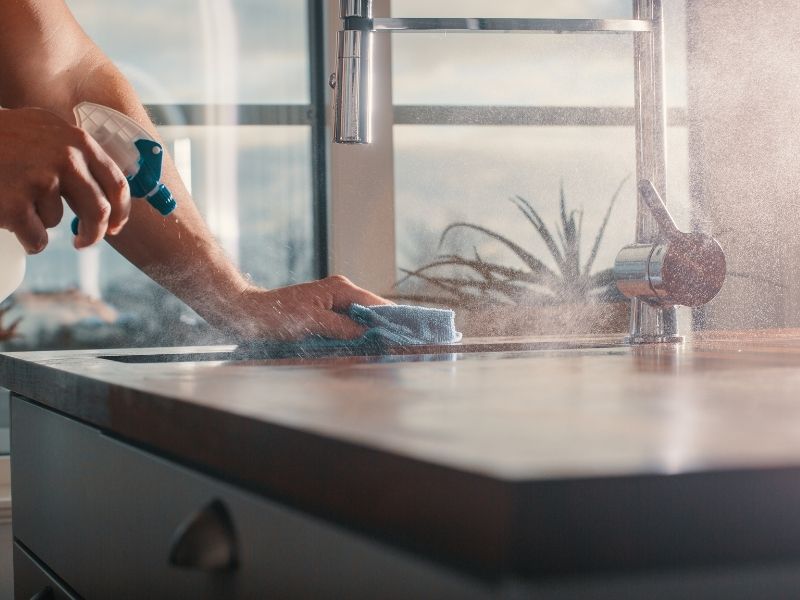
Cleaning charges represent the leading cause of deposit deductions. When landlords claim tenants left properties needing professional cleaning, disputes arise frequently. The tenancy deposit scheme provides independent adjudication for these disagreements.
Photographic evidence determines who wins cleaning disputes. Landlords must provide proof of property condition at tenancy start and end. Photos showing clean condition initially, then left dirty condition at exit, support deposit deductions for cleaning costs.
Taking photos throughout tenancies protects both parties involved. Landlords photograph properties before tenants move in and after tenants leave. Tenants should take photos when vacating to prove clean condition. These images become crucial evidence in deposit protection scheme adjudications.
The tenant fees Act 2019 changed what landlords can require. Landlords cannot charge tenants for professional cleaning as a mandatory move out requirement. However, landlords still deduct cleaning costs from the tenant's security deposit if properties require cleaning beyond fair wear.
This creates an interesting dynamic. Landlords can't force tenants to hire professional cleaners, but tenants risk deposit deductions if their DIY cleaning doesn't achieve professional clean standard results. Tenants often hire professional cleaners voluntarily to protect the tenant's deposit.
Deposit deductions become justified when properties require cleaning significantly beyond what fair wear and tear would cause. Landlords deducting cleaning costs must prove need through evidence. Reasonable cleaning charges might involve professional cleaning invoices showing actual costs incurred.
The tenant's security deposit protects landlords against cleaning defaults. When the previous tenant leaves properties needing deep clean work, landlords request cleaning costs through the deposit protection scheme. Adjudicators assess whether deductions match actual cleaning needs based on provided evidence.

Properties handed over clean create positive starts. New tenants entering clean spaces feel respected and valued. This psychological aspect of property management affects how tenants treat properties throughout their tenancies.
Even when outgoing tenants clean properties well, landlords typically clean again before the next tenant moves in. This additional cleaning ensures properties meet the high clean standards new occupants expect. Properties clean to one tenant's standards may not satisfy the next tenant's expectations.
End of tenancy cleaning by departing tenants addresses obvious areas but often misses detailed work. Landlords cleaning properties afterwards catch these details. Light switches, skirting boards, and hidden areas receive attention in this final clean phase.
New tenants spot cleaning deficiencies within minutes of entering properties. Dirty windows, marked walls, unclean bathrooms, and kitchen residue create immediate negative impressions. These observations shape tenant attitudes before tenancies even begin.
Properties clean to professional standards signal landlord care and attention. Tenants moving into impeccably clean properties assume landlords maintain high standards generally. This expectation influences how tenants report maintenance issues and how they maintain properties during their stays.
Furnished rental property cleaning extends beyond structural cleaning. Furniture, soft furnishings, curtains, and supplied appliances all require clean condition. Landlords providing furnished properties set higher clean expectations than unfurnished lettings.
Furnished properties need deep clean attention to supplied items. Sofas, beds, dining furniture, and soft furnishings accumulate dirt and odours during tenancies. Professional cleaning for furnished properties often includes upholstery cleaning, mattress sanitisation, and curtain cleaning alongside standard house clean tasks.
The property clean standard for furnished lets significantly exceeds unfurnished property requirements. Tenants renting furnished properties expect everything clean and fresh. Landlords must clean every supplied item to meet these legitimate tenant expectations.
Residential and commercial properties face different clean requirements. Residential landlords focus on habitability and tenant comfort. Commercial landlords deal with workspace functionality and, in some cases, regulatory compliance affecting specific business types.
Offices need moderate clean attention between tenancies. However, food service, medical facilities, childcare centres, and gyms require specialist professional cleaning before new occupants can operate legally. These business types face health and safety regulations making deep clean work mandatory regardless of landlord obligations.
Commercial landlords should understand what incoming tenant businesses require. A landlord leasing to a restaurant must provide a property clean enough to pass health inspections. This often means specialist degreasing, ventilation system cleaning, and deep clean kitchen work beyond what standard tenancy cleaning covers.
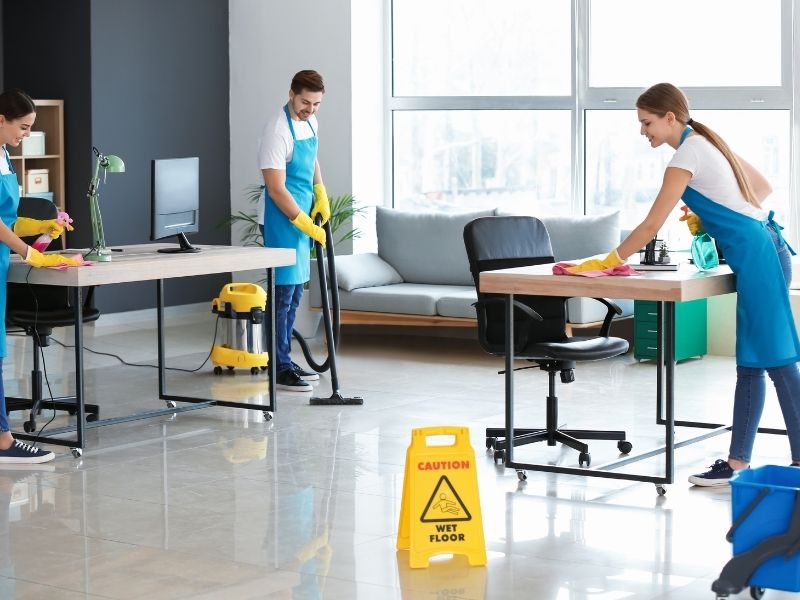
Professional cleaning costs money. Landlords must budget for cleaning as an operational expense rather than hoping the tenant's deposit covers everything. This mindset shift improves property management outcomes significantly.
Professional cleaning costs vary by property size and condition. Many people ask how much to deep clean a 3 bedroom house, and standard end of tenancy cleaning for two bedroom properties costs £150 to £300. Larger properties or those requiring deep clean work cost more. Commercial properties vary dramatically based on size and previous use.
Landlords who spend money on professional cleaning between every tenancy typically benefit financially. Faster letting reduces void periods, offsetting cleaning costs. Better tenants attracted by clean properties cause fewer problems, reducing overall management costs.
Every day properties sit empty costs landlords rental income. Professional cleaning enabling immediate reletting saves money despite upfront costs. A clean property letting one week faster easily justifies £200 to £300 in cleaning costs through avoided void period losses.
Quality tenants choose clean properties over competitors. Landlords investing in property presentation attract tenants who pay rent reliably and maintain properties well. These better tenancy relationships reduce long term management headaches, making initial cleaning investments worthwhile.
Landlords handling tenancy ends systematically avoid disputes and prepare properties efficiently for new tenants. Following structured processes protects interests while treating outgoing tenants fairly.
Comprehensive documentation starts tenancies and ends them properly. Landlords take detailed photos and videos at check in showing clean conditions. When tenants move out, landlords repeat this documentation to create comparison evidence.
Photographic evidence captures details written descriptions miss. Photos of clean ovens, bathrooms, and carpets at tenancy start to establish baselines. Photos showing these same areas when tenants leave prove whether cleaning standards were maintained.
Landlords avoid disputes by stating expectations explicitly in tenancy agreements. Clear tenancy agreement clauses specifying required clean standards prevent misunderstandings. Providing tenancy cleaning checklists at tenancy start sets clear targets for tenants to meet when they move out.
Under regulations taking effect May 2026, landlords must provide written statements detailing cleaning and maintenance responsibilities before tenancies begin. This formalises what good landlords already do, making expectations transparent for both parties involved.
Landlords face choices about requiring professional cleaning. While landlords cannot mandate tenants hire professional cleaning service providers under tenant fees rules, landlords can set clean standards tenants must meet however they choose.
Letting agents often recommend including professional clean standard language in tenancy agreements. This doesn't force tenants to hire professional cleaners but clarifies the clean quality level expected. Tenants achieving this through thorough DIY cleaning satisfy requirements without hiring professionals.
Sometimes outgoing tenants leave properties in unacceptable condition. Landlords face several options when confronting properties left dirty.
Landlords cannot arbitrarily deduct large cleaning costs from deposits. Deductions must reflect actual cleaning costs required to restore reasonable condition. Landlords provide evidence like professional cleaning invoices to justify deposit deductions.
Stained carpets create particular challenges. Heavy staining may exceed what professional cleaning can address, requiring replacement. However, landlords must prove whether stains resulted from tenant negligence versus normal wear. This distinction determines whether replacement costs come from the tenant's deposit.
Occasionally the previous tenant abandons properties in terrible condition. Beyond normal cleaning needs, landlords might face rubbish removal, odour treatment, pest control, and extensive cleaning requirements. These situations justify larger deposit deductions, but landlords still must document everything and provide proof to deposit protection schemes.
Properties left spotless by tenants remain rare but valuable. When this happens, landlords often return full deposit amounts immediately. This positive ending benefits tenants through good references and benefits landlords through maintained properties requiring minimal preparation for new tenants.
Professional cleaning provides more than clean surfaces. It creates documentary protection and reduces liability risks for landlords.
Professional cleaning receipts prove landlords took reasonable steps to prepare properties. If new tenants complain about cleanliness issues shortly after moving in, landlords showing professional cleaning invoices defend their positions effectively.
Professional services also reduce complaints. Professional cleaners clean to higher standards than most DIY cleaning achieves. This thorough work means new tenants rarely find cleaning deficiencies worth complaining about, reducing friction at tenancy starts.
Some property types face regulatory cleaning requirements. While general residential properties don't legally required professional cleaning, some commercial properties must meet specific clean standards before businesses can operate. Landlords letting to regulated businesses should ensure properties meet these clean requirements.
Letting agents working with landlords often insist on professional cleaning between tenancies. These agents understand that properties maintained to high clean standards protect landlord interests and agency reputations. Their experience shows professional cleaning reduces disputes and speeds letting processes.
The legal requirement question differs from the practical business question. Legally required obligations represent minimum standards. Smart business practices exceed these minimums to protect interests and maximise returns.
UK landlords must provide safe, habitable properties free from serious health hazards. This legal obligation covers structural safety, proper heating, water supply, and basic sanitation. Clean surfaces and aesthetic presentation fall outside this legal requirement scope.
Landlords could theoretically rent properties with dirty windows, marked walls, and dusty surfaces provided they're structurally sound and hygienic. However, this approach creates practical problems despite being legally allowed.
Best practice property management exceeds legal minimums substantially. Landlords providing impeccably clean properties attract better tenants who treat properties respectfully. These quality tenants cause fewer problems, pay rent reliably, and often stay longer, reducing turnover costs.
Landlords cutting corners on presentation save small amounts initially but typically lose money overall. Properties presented poorly rent slower, attract problematic tenants, and generate more complaints and maintenance issues. The false economy of skipping cleaning costs more than investing in property presentation.
We at Cleaners Darlington UK work with landlords across residential and commercial properties. Our experience shows landlords who maintain high clean standards between tenancies experience smoother property management and better financial returns.
Our professional end of tenancy cleaning addresses everything landlords need and what the next tenant expects. We clean kitchens thoroughly, including inside all appliances. We clean bathrooms completely, removing limescale buildup and restoring fixtures to clean condition. We clean all surfaces, including often missed areas like light switches, skirting boards, and high areas.
Professional cleaning creates property clean to professional standard expectations. This level of clean work ensures new tenants enter properties ready for immediate occupation without cleanliness complaints or concerns.
Landlords using consistent professional cleaning services between every tenancy create predictable standards. Tenants know what clean condition they must return properties to because they entered properties at that same clean standard.
This consistency reduces disputes significantly. When landlords prove they provided properties professionally clean initially, tenants cannot credibly argue lower clean standards are acceptable when they move out. The same standard applies both directions, creating fairness both parties understand.
Do landlords have to clean between tenants? Legally no. Practically, usually yes. Understanding this distinction helps landlords make informed decisions protecting their interests while treating tenants fairly.
Properties clean to high standards rent faster, attract better tenants, and generate fewer disputes. These benefits typically outweigh cleaning costs. Landlords viewing cleaning as an investment rather than an avoidable expense usually achieve better property management outcomes.
Whether managing rented homes or commercial properties, presentation matters enormously. People judge properties within seconds. Making those first impressions positive through professional cleaning creates advantages lasting throughout tenancies and beyond.
The average cost to deep clean a house varies from £78 to over £500 depending on property size and condition. For Darlington properties, we at Cleaners Darlington UK charge £90 to £135 for a 2-bedroom property, £135 to £158 for a 3-bedroom house, and £158 to £225 for a 4-bedroom house. For homeowners wondering how much does it cost to deep clean a house in Darlington, these figures provide a clear local guide. Nationally, most deep cleaning services price between £190 and £320 for average houses, with London rates often 25 to 50 percent higher than smaller towns.
Important pricing disclaimer: House cleaning and house deep cleaning prices vary massively depending on the property size and condition, so the quote could change if the photos do not match the actual scenario when we arrive.
A deep clean goes beyond what you get with regular house cleaning. Standard cleaning covers the obvious stuff like vacuuming carpets, dusting surfaces, and mopping floors. We tackle those same areas during regular cleaning visits, but a professional deep clean means we're getting into places that most people overlook for months.
When we perform deep cleaning services, we're cleaning inside appliances like your fridge and oven, scrubbing limescale off bathroom fixtures, and wiping down skirting boards that collect dust. The cleaning team will move furniture to reach hidden areas where dirt builds up over time. This level of cleaning required takes much longer than standard cleaning because every corner gets attention.
The average cost of deep cleaning in the UK typically costs around 3 to 5 times more than standard cleaning, mainly because it takes significantly longer and involves detailed deep cleaning tasks such as descaling, degreasing, and cleaning inside fixtures and appliances. A typical house deep clean of a family home usually takes between 5 and 12 hours, depending on property size, layout, and level of cleaning needed.
Property size affects everything. Larger properties need more cleaning time, more cleaning materials, and often more than one person on the job. When you expect to pay for deep cleaning services, remember that a 4-bedroom house deep clean will cost substantially more than a small flat simply because there's more square footage to cover.
The condition of your property makes a huge difference to cleaning costs. Homes that haven't been professionally cleaned in over a year can cost up to 40 percent more than regularly maintained properties, due to heavier grime, limescale, and grease accumulation. If there's heavy build-up in bathrooms or the kitchen needs serious degreasing, expect to pay towards the higher end of any quote range. These factors affecting deep cleaning costs vary depending on how neglected the property has been.
Your location changes what cleaning companies charge. Deep cleaning prices in large UK cities can be 25 to 50 percent higher than deep cleaning prices in smaller towns and rural areas, largely due to higher wages, parking costs, and travel time. London deep cleaning costs typically range from £25 to £31 per hour, while rural areas often see lower hourly rates.
Pets add to the job because of shed hair on carpets and furniture. Most pets mean more vacuuming time and more effort cleaning surfaces. Properties with hard water areas frequently cost more, as limescale removal can add several extra hours to bathrooms and kitchen work. All these factors influence what cleaning companies will quote you.
Furnished properties usually cost more than unfurnished properties, as each additional item like beds, sofas, wardrobes, and shelving adds extra surface area and detailing time. The cost difference between a light deep clean and a full reset clean, including inside appliances, cupboards, and skirting boards, can be over £100 on an average house. Different factors come into play when assessing each job.
Most cleaning companies charge by the hour for domestic deep cleaning work. Across the UK, you'll typically expect to pay between £25 and £37 per hour for a professional deep clean, with the average sitting around £31 per hour. That might sound straightforward, but the total cost depends on how long the job takes.
For a standard 3-bedroom house deep clean, many people ask how much to deep clean a 3 bedroom house before scheduling the service. Expect the work to take anywhere from 4 to 6 hours. At average hourly rates, that puts your total cost between £130 and £186 for the complete job. Labour accounts for roughly 70 to 80 percent of the total cleaning costs, making local wage rates one of the biggest factors in regional price differences.
In London, hourly rates often sit higher because wages are higher. Big cities typically add 20 to 30 percent to the national average due to increased demand and costs. Meanwhile, you'll find better value in rural areas where overheads are lower and competition keeps cleaning prices down.
Some cleaning companies will quote a flat rate instead of hourly pricing. This flat rate approach gives you certainty about the final cost, but make sure you understand what's included. A flat rate price should cover all the deep cleaning tasks you need without hidden fees popping up later.
The property size of your home directly affects what you'll expect to pay. Kitchens and bathrooms alone often represent over half of the total deep cleaning time, despite typically making up less than 25 percent of a property's total floor area. These rooms need the most attention because of grease, limescale, and daily grime.
For our Darlington customers, we price based on bedroom count and overall condition. A 2-bedroom property costs between £90 and £135, while a 3-bedroom house ranges from £135 to £158. If you've got a 4-bedroom property, expect to pay between £158 and £225. These house deep cleaning prices reflect thorough cleaning of every room, including bathrooms, kitchen, and all living spaces.
Nationally, the average cost picture looks different. If you’re wondering how much is house cleaning in Darlington, most UK guides show that a 2-bedroom house deep clean averages between £190 and £250, a 3-bedroom property typically runs £260 to £320, and a 4-bedroom house costs around £365 to £425 or more. End-of-tenancy deep cleaning services are often priced higher than general deep cleaning services because tenants and landlords often ask how much does an end of tenancy clean cost in Darlington, as these services are expected to meet inventory check standards.
Square footage matters when cleaning companies assess the job. More floor space means more surfaces to wipe, more carpets to vacuum, and more walls to clean. Some commercial cleaning services actually price per square foot for deep office cleaning work.
Bathrooms need serious work during a professional deep clean. We're talking about scrubbing tiles, removing limescale from taps and showerheads, cleaning inside toilet bowls properly, dusting light fixtures, and making mirrors shine. Thorough cleaning of a bathroom typically ranges from £50 to £100, depending on size and level of build-up.
The kitchen takes even longer because of all the surfaces and appliances. Deep cleaning a kitchen typically costs between £70 and £150, depending on size and condition. We clean inside the fridge, degrease the oven, scrub the hob, wipe down all cupboard fronts, perform dusting of high surfaces, and clean floors properly.
Oven cleaning often gets quoted separately because it's such a big job. Most cleaning companies charge between £50 and £80 just for oven cleaning work. The same goes for specialist cleaning services like polishing internal windows or carpet cleaning treatments, which add to your overall service price.
Having pets in your home can increase deep cleaning costs due to the additional cleaning required. Dogs and cats shed hair constantly, which gets into carpets, settles on furniture, and collects in corners. Most pets create more work, and that work takes time.
We find that properties with pets need extra vacuuming passes to pick up all the shed hair. Upholstery cleaning becomes more important because pet fur embeds itself in fabric. The cleaning team might need to spend longer on floors to make sure all the hair is gone. Professional upholstery cleaning can add £30 to £80 per piece of furniture to your quote.
Children create different challenges. Sticky handprints on walls, crayon marks, spilled drinks, and general mess mean more surfaces need attention. Properties with kids often need more effort on walls, doors, and lower surfaces where little hands reach. These are all factors that affect the cleaning needed for each property.
Your lifestyle affects how often you need professional cleaning services. If you're on top of regular cleaning yourself, the house deep clean will be quicker and more cost effective. If you've let things slide for months, expect the job to take longer and cost more. Deep cleaning tasks that have been ignored for ages will always take more time to sort properly.
Extra services beyond the standard deep clean package will push your costs up. Carpet cleaning is one of the most common additional services, usually costing an extra £20 to £50 per room depending on size and carpet condition. We use professional equipment that gets deeper into carpet fibres than home vacuum cleaners.
Window cleaning often gets added to deep cleaning packages. Internal windows are usually included in most deep clean quotes, but if you want external windows done too, that's an additional service. Polishing internal windows properly takes time, especially if you've got lots of them or they're particularly dirty. This specialist cleaning service ensures streak-free results.
Most cleaning companies offer laundry services as an add-on. If you want bedding washed and changed, or curtains cleaned, expect additional charges. These specialist cleaning services require time and specific cleaning materials, so they're priced separately from the core house deep clean.
Some jobs suit flat rate pricing better than hourly charges. When you book an end-of-tenancy clean, most cleaning companies quote a flat rate fixed price based on your property size. This flat rate gives you certainty about the cost and removes any worry about the job taking longer than expected.
A flat rate works well for standard property types where the cleaning company knows exactly what to expect. They've done hundreds of similar properties, so they can accurately predict the time and cleaning materials needed. You get a clear flat rate price upfront with no surprises or hidden costs from unexpected delays.
The downside of flat rate pricing is that if your property needs less cleaning required, you don't save money. You're paying for the standard service regardless of actual time spent. However, if the job takes longer than expected, you're protected from higher costs.
We prefer to assess each property individually at Cleaners Darlington UK. That way, we can give you an accurate quote that reflects your actual cleaning needed rather than a generic price. Our house deep cleaning prices account for variation in property condition while keeping costs fair.
Location makes a massive difference to cleaning prices. In London, deep cleaning costs can be higher, typically ranging from £25 to £31 per hour or more. The capital's high living costs, expensive parking, and longer travel times between jobs push cleaning costs up significantly.
Urban areas often have deep cleaning costs that are 20 to 30 percent higher than the national average due to increased demand and costs. Cities like Manchester, Birmingham, and Leeds sit somewhere between London prices and smaller town rates. You're paying for the higher operating costs that cleaning companies face in busy urban environments.
Here in Darlington and across the North East, cleaning costs tend to be more reasonable. We can offer better value because our overheads are lower than in big cities. You get the same quality of service without the premium cleaning prices that London customers expect to pay.
Most cleaning companies set a minimum charge for any job. This minimum covers their costs of travelling to your property, unloading equipment, and setting up. Even if you only need one room cleaned, you'll probably expect to pay for at least 2 to 3 hours of work.
The minimum charge protects cleaning businesses from losing money on small jobs. It costs them the same amount in travel time and fuel to come to your house whether they're cleaning one room or the full house. Setting a minimum ensures they can cover those fixed costs.
For customers, this means tiny jobs aren't cost effective. If you only want your bathroom deep cleaned and the minimum charge is £60, you're paying the same rate as if you'd booked 2 hours of work. It makes more sense to add extra rooms or tasks to get full value from that minimum.
We're transparent about our minimum charges at Cleaners Darlington UK. We'll always explain upfront what you expect to pay and help you make the most of our service. Adding an extra room or task often costs very little more when you're already meeting the minimum.
A professionally deep-cleaned home can reduce ongoing weekly cleaning time by up to 30 percent for several months, as heavy build-up is removed and surfaces stay cleaner for longer. Investing in a house deep clean once or twice a year will ensure you're tackling every corner and hard-to-reach area in your home.
Regular cleaning and regular house cleaning is more cost effective than waiting until your home is in terrible condition. When we visit properties that haven't been professionally cleaned in over a year, the job takes significantly longer because of built-up grime, heavy limescale, and stubborn grease. That extra time means higher cleaning costs for you.
To maintain good hygiene, thorough cleaning is typically recommended every three to six months. This schedule keeps your home in good condition between cleans, meaning each house deep clean takes less time and costs less than if you left it for years between professional cleaning services.
You should generally get regular cleaning done once or twice a year at minimum. More frequent deep cleaning services might be necessary if you have pets, children, or health conditions that require higher hygiene standards. The long run savings from preventing major build-up make regular cleaning worth the investment.
Before a deep clean, declutter spaces to give cleaners easy access to all areas. We can't clean surfaces that are covered in personal items, paperwork, or clutter. Moving this stuff yourself before we arrive means we spend our time actually cleaning rather than carefully moving your belongings. This preparation helps keep your final cost down.
Remove valuable or fragile items to avoid accidental damage before a deep clean. Even the most careful cleaning team can knock something over when moving furniture or reaching high surfaces. Put away anything you'd be upset about breaking.
Ensure pets are safely secured before a deep clean to avoid any issues during the process. Dogs and cats can get anxious with strangers in the house, and open doors during cleaning create escape risks. Put pets in a separate room or arrange for them to be out during the cleaning.
Let the cleaning team know about any specific areas that need extra attention before a deep clean. If there's stubborn staining in bathrooms, heavy grease in the kitchen, or particular problem areas, tell us upfront. That way, we can bring appropriate cleaning materials and allocate enough time for proper dusting, vacuuming, and cleaning all surfaces thoroughly.
You should compare quotes from multiple cleaning companies to find the best deal. Get at least three quotes for the same job so you can see the range of cleaning prices and what each cleaning company includes. Don't automatically pick the cheapest because quality varies between providers.
Reading reviews and checking ratings of cleaning companies can help you choose a reliable service. Look for companies with consistently good feedback, particularly comments about thoroughness, reliability, and value for money. A few negative reviews among hundreds of positives is normal, but patterns of complaints are warning signs you should avoid.
You should inquire about the specific deep cleaning tasks included in a deep cleaning service before hiring. One cleaning company's deep clean might include oven cleaning work while another charges extra for those tasks. Make sure you're comparing like with like when you look at different cleaning prices.
It's advisable to ask most cleaning companies about their insurance and guarantees for the work performed. Professional cleaning services should have public liability insurance to cover any accidental damage. They should also offer some kind of guarantee that they'll return to fix any issues if you're not satisfied with the service.
You should ensure that most cleaning companies provide their own supplies when you book. Professional cleaning services bring their own cleaning materials and equipment, which is included in the price you expect to pay. If a cleaning company expects you to provide cleaning products, that should be clear upfront to avoid hidden fees later.
You should ask for a detailed breakdown of costs to avoid hidden fees when hiring a cleaning service. Hidden costs can turn a seemingly good deal into an expensive mistake. Get everything in writing, including what's included and what costs extra. Check dusting requirements, wall cleaning, floors cleaning, and all cleaning surfaces are properly covered in the quote.
Commercial deep cleaning benchmarks differ significantly from domestic cleaning prices. Office spaces, retail units, and commercial properties need different approaches and often require work outside normal business hours to avoid disrupting operations. The equipment needed also differs significantly.
Deep office cleaning is commonly priced around £30 to £45 per hour across the UK. Larger properties need more powerful vacuum cleaners, floor scrubbers, and professional-grade cleaning products. Commercial cleaning teams also typically work in larger groups to complete big properties efficiently, performing dusting, vacuuming carpets, and surface cleaning systematically.
Commercial contracts often include deep cleaning services as part of ongoing maintenance schedules. Businesses might book quarterly deep cleaning services alongside weekly or daily standard cleaning services. This regular cleaning schedule keeps properties in better condition and actually reduces the average cost of each individual house deep clean over time.
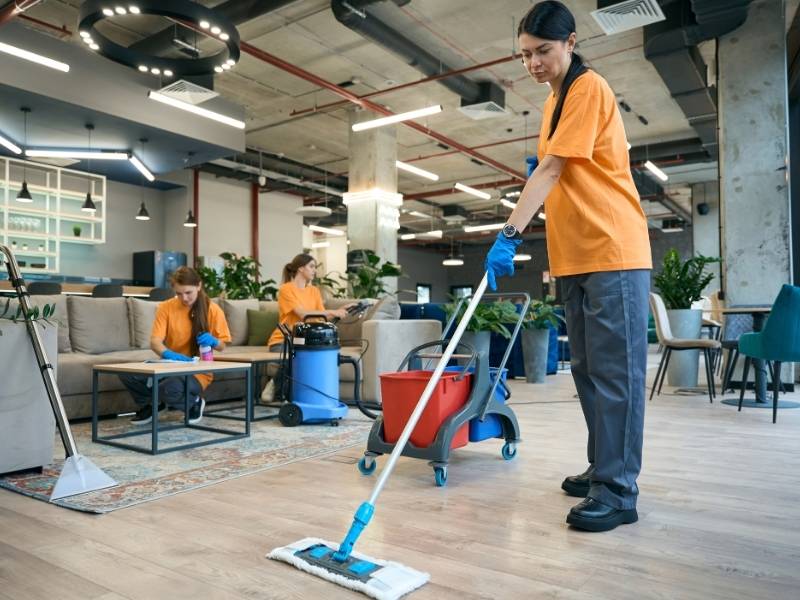
Deep cleaning helps eliminate hidden dirt, bacteria, and grime that regular cleaning often overlooks. Those hard-to-reach areas behind furniture, inside appliances, and in bathroom corners harbour germs that can affect your health over time. Thorough deep cleaning removes these hidden problems effectively.
The benefits of professional deep cleaning extend beyond just appearance. Proper deep cleaning reduces allergens in your home, which matters if anyone in your family has asthma or allergies. Removing dust from carpets through thorough vacuuming, dusting all surfaces properly, and cleaning walls creates a healthier living environment for everyone in the house.
Deep cleaning before selling a property can improve first impressions and reduce visible wear, which is why many sellers view it as a low-cost improvement compared to cosmetic upgrades. A spotlessly clean house photographs better and makes viewers more likely to imagine themselves living there. This investment often pays for itself.
For landlords, professional deep cleaning services between tenancies protect your investment. They prevent long-term damage from built-up grime and help you meet your legal obligations to provide a clean, hygienic property to new tenants. The cost is small compared to potential disputes over deposit deductions or damage claims.
Deep cleaning prices can be influenced by the type of cleaner, with agencies generally charging more than independent cleaners. Agencies have higher overheads including office costs, insurance, and administrative staff. Those costs get passed on to customers through higher hourly rates or job prices that you'll pay.
Independent cleaners often charge less because they have lower overheads. They're running their own small business, so they keep more of what you pay. However, you might get less support if something goes wrong, and they might not have the same level of insurance coverage as larger cleaning companies offer to customers.
The quality difference between agencies and independents isn't always clear. Some independent cleaners are exceptional, providing personal service and attention that big cleaning companies can't match. Others might lack the training and quality controls that established professional cleaning services offer their customers routinely.
At Cleaners Darlington UK, we try to combine the best of both approaches. We're a local business that offers personal service and competitive cleaning prices, but we also maintain professional standards, proper insurance, and quality guarantees that give customers confidence in our cleaning services and work quality.
Understanding deep cleaning costs helps you budget appropriately and avoid surprises when you book. The wide range of house deep cleaning prices you see across the UK reflects genuine differences in labour costs, property types, and service quality levels. Knowing what affects cleaning prices lets you make informed decisions about which service to choose.
Clients should consider custom quotes from multiple cleaning services to get accurate deep cleaning prices based on their specific needs. Every property is different, and your circumstances might mean you need more or less cleaning than average households. A proper quote accounts for your actual cleaning required, including dusting needs, vacuuming all carpets thoroughly, cleaning multiple bathrooms properly, and completing all other necessary cleaning tasks to standard.
Clear communication with the cleaning service provider can help avoid difficulties when planning a deep clean. You should prepare your property by decluttering and removing fragile items before the cleaning team arrives. Homeowners may face challenges such as budgeting for the cleaning service and finding a suitable time slot with a cleaning company, but planning ahead solves most of these issues effectively.
The cleaning needed and the condition of your property ultimately determine what you'll pay for the service. Regular house cleaning and regular maintenance keeps cleaning costs down significantly, while neglected properties cost more to bring back to proper standard. The investment in professional deep cleaning services pays off through a healthier, more pleasant home environment and potentially higher property value when you decide to sell your house.
Here at Cleaners Darlington UK, we base our pricing on your home's needs. Our house cleaning costs for Darlington are: 2 bed homes £78 to £117, 3 bed homes £117 to £136, and 4 bed homes £136 to £156. **These amounts vary depending on the size and condition, so the final cost could change if what we find differs from photos you provide. This is our general pricing, but house cleaning costs can vary depending on specific requirements. For anyone asking how much is house cleaning in Darlington, these prices reflect typical local expectations.
House cleaning costs in the UK typically range from £15 to £30 per hour, depending on location, the size of the home, and the type of cleaning service needed. Most households pay between £45 and £75 for a weekly cleaning service lasting 2 to 3 hours. One-off visits cost more because they need extra time to tackle built-up dirt.
Understanding What Determines House Cleaning Costs
When you start hiring someone, you'll notice prices are everywhere. Location affects house cleaning costs significantly. Areas with higher living expenses have higher rates per hour, and this makes a real difference.
Urban areas typically command higher hourly rate amounts than rural areas. In London, you might pay 20% more than other parts of the UK. The going rate in London differs substantially from the Midlands or North. Location remains one of the biggest factors in determining cost.
Property size influences the cost significantly. Larger homes need increased time to clean properly. But it's not just square footage. A regularly maintained home takes less time than one needing a deep clean due to neglect. Built-up grime, limescale, or grease can turn a standard visit into a deep clean job, raising cleaning costs dramatically.
Cleaning costs get influenced by pets and occupants too. Pets need additional time for hair and odours. Multiple occupants mean more wear and time needed. These other factors affect the final figure and should be mentioned when requesting quotes.
Most domestic cleaning providers charge hourly. This model works for both one-off sessions and ongoing work, but makes it harder to predict final amounts. The cleaning service type affects overall pricing, with intensive options needing more time.
Regular sessions cover tasks like dusting and vacuuming. A deep clean goes beyond regular tasks, including scrubbing tiles and addressing inside appliances. End-of-tenancy cleaning is the most thorough option, including descaling bathrooms and all appliances to inventory standards. This end-of-tenancy work ensures you meet requirements for deposit returns.
Frequency impacts pricing significantly. Weekly or fortnightly bookings usually get lower hourly rates than one-off visits. Recurring arrangements cost less than one-off clean bookings because workers have guaranteed work and regularly maintained homes take less time. A one-off clean costs more due to heavier buildup and no repeat guarantee.
Independent cleaners generally charge less per hour than a cleaning agency. Independent cleaners typically charge £12 to £22 hourly, while a cleaning agency charges £20 to £30 hourly. An agency cleaner brings business security.
A cleaning agency has better availability than independents. Professional cleaning services from agencies conduct thorough vetting and offer insurance. An agency cleaner provides peace of mind. Many families working long hours appreciate what an agency cleaner offers, even paying slightly more per hour.
Lower costs aren't always better value. Insured, managed options cost more, reflecting overheads and accountability. You get reliability and recourse if something goes wrong.
A weekly cleaning service is most common for UK households. Most pay £45 to £75 for a weekly clean lasting 2 to 3 hours, covering vacuuming, dusting, bathrooms, and kitchens. Weekly sessions maintain consistent standards.
Having a regular cleaner for recurring visits leads to efficient work. Your cleaner knows your home, understands your needs, and works faster. Professional cleaning services offer personalized experiences for different needs and cleaning requirements.
Clear communication helps avoid misunderstandings. Spend time explaining what matters most to you.
The average cost for a one-off clean is around £15.49 hourly, but varies. One-off visits often cost more due to heavier buildup. Companies offer both one-off clean and recurring options.
You might need a single clean for special events, after building work, or before starting regular visits. A single clean is more intensive than maintenance. Most households underestimate how long a thorough single clean takes.
Professional house cleaners work faster than homeowners. A cleaner completes work in a fraction of the time. Clients pay for skill and speed, not just time on the job. When booking a single clean or any single work, you're getting expertise.
Deep clean sessions run £20 to £37 hourly, averaging £31. A deep clean can cost twice as much as regular work. Extra time goes to descaling bathrooms, degreasing kitchens, addressing appliances, and tackling neglected areas. This pricing helps answer a common local question: how much does it cost to deep clean a house in Darlington, especially for properties that haven’t been professionally cleaned in some time.
A deep clean is recommended before starting regular visits. It establishes a baseline that's easier to maintain weekly. Specialized work costs more than standard domestic cleaning due to being labour-intensive.
In average visits, kitchens and bathrooms take over half the time. These need intensive work for grease, limescale, and bacteria. When you book a deep clean, significant time goes to these spaces.
Tenancy cleaning typically runs £150 to £490, depending on size. Unlike regular work, end of tenancy gets priced per whole job, not hourly. Many tenants wonder how much does an end of tenancy clean cost in Darlington, and this reflects meeting inventory standards, not just appearance. End of tenancy work delivers specific outcomes.
The worker gets everything to standards for deposit returns. They can't cut corners, even if taking longer. For three-bedroom, two-bathroom homes, expect £90 to £158 for end of tenancy sessions. The tenancy period often ends with thorough work meeting requirements.
Furnished homes cost more than unfurnished. Additional tasks include dusting furniture, addressing upholstery, and wiping skirting. When moving out after your tenancy, every surface needs attention.
The base hourly rate isn't everything. Extras significantly affect the final price. Oven work, fridge work, window work, or carpet work add substantial amounts. These hidden costs surprise people who didn't ask upfront.
Supplies and equipment may mean extra charges of £2 to £6 hourly if provided. Many offer additional services for specific tasks with extra fees. Oven work might add £30 to £50 on top of regular visits. Laundry is usually another add-on.
Workers may charge more for things like stain removal or specialized cleaning products. Discuss specific needs upfront. Booking unsociable hours leads to higher charges. Getting clarity on the total cost prevents surprises.
Location affects pricing majorly. Urban areas, particularly London, cost more. The going rate in London significantly exceeds the Midlands or North. London rates reflect higher expenses.
The average cost for house cleaning services UK-wide ranges from £10 to £30 hourly, but this hides regional variation. Your local area clusters around specific ranges based on wages, demand, and competition. What you pay in London differs from other regions.
At Cleaners Darlington UK, our prices reflect Darlington's market. We're competitive while treating workers fairly and maintaining standards. If comparing quotes from different areas, remember what you actually pay depends heavily on where you live.
Size is straightforward. Larger homes need increased time and higher costs due to work required. But it's not linear. A four-bedroom doesn't take twice as long as a two-bedroom flat. For homeowners researching how much to deep clean a 3 bedroom house, this difference in time versus size is often surprising.
Bathroom numbers matter as much as bedrooms. Bathrooms take time, so a three-bedroom with two bathrooms costs more than with one bathroom. Each bathroom adds significant time to the job.
Layout and furniture also play roles. Open-plan might be quicker than multiple small rooms with furniture, even matching square footage. This explains why quotes based on photos can change after seeing everything in person.
There's a strong case for regular work. Savings come from consistency. Regular attention prevents buildup, meaning consistently maintained homes cost less over time than relying on occasional intensive sessions.
Maintaining on a consistent schedule makes each visit faster and less intensive. Workers focus on maintenance, not restoration. Over a year, spending on weekly or fortnightly work often beats quarterly intensive sessions. Your home stays better throughout.
Regular work extends fixture life. Limescale doesn't build and damage taps. Grease doesn't harden on kitchen surfaces. Dust doesn't grind into carpets. You save money on replacements. This is similar to a spring clean refreshing your home, but regular work means rarely needing intensive sessions. You save on long-term costs.
Many workers follow standard timeframes based on size and type. For weekly sessions on three-bedroom homes, expect 2 to 3 hours. For intensive sessions, maybe 4 to 6 hours or more.
Professional workers are significantly faster than homeowners. Most cleaners have systems, proper cleaning equipment, and experience. They know efficient room orders, which cleaning products work best, and how to work methodically. Equipment and products are often professional-grade.
Most have minimum booking times, often 2 to 3 hours. This minimum makes sense because traveling, setup, and working just an hour isn't economical. Even small flats needing an hour will likely face minimum bookings.
Finding a suitable cleaner involves thinking about what matters most. Do you want the lowest hourly rate, or reliability, insurance, and backup? Independent workers and agencies both have advantages. Finding a suitable cleaner meeting your needs matters for satisfaction.
A regular cleaner becomes part of your routine. You build relationships and know what to expect. Many prefer this touch. But if unavailable, you might lack cover. Having maids through agencies usually offers better flexibility and backup.
Agencies provide security and flexibility. If your usual worker isn't available, they send another. They handle insurance, vetting, and issues. You pay more, but many families find peace of mind worth it. House cleaners through agencies are typically reliable, vetted professionals taking pride in work.
Working with tight budgets? There are ways to make help affordable. Start with less frequent visits, perhaps fortnightly not weekly. As your budget allows, increase frequency. Many families find this helps manage budgets while getting help.
Split the work. Hire for intensive tasks like bathrooms and kitchens, handling lighter tasks yourself. Add laundry separately if needed. This way you save while getting help with the hardest work. Managing budgets doesn't mean going without entirely.
Be flexible on timing. Midweek daytime slots often get better rates than weekends or evenings. Remember the cheapest quote isn't always the best value. An affordable worker doing thorough work beats someone cheap rushing through. Quality matters more than just lowest budget numbers.
Before committing to hiring, get clarity on what's included. Ask whether they provide cleaning products and cleaning equipment, or you supply them. Check extra charges for specific tasks or rooms. Hiring without asking leads to surprises.
Discuss expectations. Do they need you home? How much notice for canceling? What if damage occurs or you're unhappy? These factors need clarifying upfront.
Understand payment handling. Cash, transfer, or card? Weekly, monthly, or after each visit? Getting details sorted prevents awkward conversations. Contact multiple house cleaners or agencies comparing offers, not just focusing on hourly rates. Slightly more sometimes gets better reliability, affecting overall value. You need to decide what works for your situation.
We structure pricing fairly and transparently. For house cleaning services in Darlington, our house cleaning costs start at £78 to £117 for 2-bedroom homes, £117 to £136 for 3-bedroom, and £136 to £156 for 4-bedroom. This assumes reasonable conditions. This represents what house cleaning costs with our business for Darlington customers.
If needing more work than expected, or photos not matching reality, the total cost may change. We discuss this first before starting. We don't do hidden surprises. You'll know exactly what you're paying. Transparency is how we run our business.
We bring supplies as standard. If you have specific products preferred, let us know when you contact us to book. We make your life easier through flexibility and transparency about what we do and costs. Whether needing weekly arrangements or a spring clean refreshing your space, we help you decide what's right for your situation. Understanding what affects pricing helps make informed decisions about domestic cleaning that works for your family and budget.
If you're looking for a straightforward answer, post construction cleaning costs in the UK typically range from £180 to £650 for residential properties, though prices vary based on property size, the extent of building work, and your location.
Here at Cleaners Darlington UK, we serve Darlington and surrounding areas with competitive local pricing: a 2 bed post construction clean starts at £140 plus, a 3 bed at £160 plus, and a 4 bed at £180 plus, depending on the scale of work and condition left after build or renovation. The "plus" means the price starts at that figure and can vary based on factors such as level of debris, materials left, number of bathrooms, and level of detail required.
Post construction cleaning is typically priced significantly higher than standard domestic cleans because it involves removal of heavy dust, debris, paint splatters and other building residues that regular cleaning does not address. Now let's break down exactly what influences these costs and what you can expect to pay.
After builders cleaning is a specialist service designed to remove dust, debris, and mess left behind after construction or renovation work. This isn't your standard cleaning routine. The service includes removing fine dust, leftover paint splashes, grout residue, and other debris that regular cleaning may not cover.
Professional after builders cleaning is recommended to ensure the safety and well-being of occupants after construction work. We've seen properties where construction dust has settled into every corner, ventilation duct, and hidden edge. Up to 90% of construction dust settles out of sight in hidden areas such as ventilation ducts, ceiling corners, and skirting edges, meaning thorough cleaning takes more time than most homeowners expect.
The cleaning process often includes dusting and polishing surfaces, cleaning windows, and removing construction residue. Professional teams have the tools, products, and know-how to tackle even the most stubborn post construction mess. After builders cleaning typically involves deep cleaning of floors, walls, and ceilings to remove dust and debris from every surface.
After builders cleaning is not a substitute for regular domestic cleaning, as it requires specialized equipment and techniques. A post construction clean can take between 4 and 10 hours or more depending on the size of the property and the level of build debris present, which makes labour the main cost component.
Professional after builders cleaners use industrial-grade equipment and specialized detergents to ensure thorough cleaning. Sites that allow subcontractor access are messier, because when multiple trades have been on site like plumbers, electricians, plasterers, and decorators, the combination of different residues can increase cleaning complexity and therefore price.
Post construction cleaning often requires specialist tools. High-powered vacuums with HEPA filters, floor scrapers, and commercial-grade detergents are common on construction cleans but rare in standard domestic cleans, which contributes to higher overall costs.

The cost of a post construction clean is often determined by property size and anticipated work. Labour and time intensity drive most of the cost, so understanding what goes into pricing helps you budget appropriately.
We're based in Darlington and serve Darlington and surrounding areas. Many clients often ask how much does a post construction clean cost in Darlington, and our local prices reflect the competitive market in our region and are separate from UK averages. Here's what we charge for post construction cleaning services:
2 bed post construction clean: £140 plus
3 bed post construction clean: £160 plus
4 bed post construction clean: £180 plus
These prices depend on the scale of work and condition left after build or renovation. The "plus" indicates that the price starts at the figure shown and adjusts based on several factors including the level of debris present, materials left behind, number of bathrooms in the property, and the level of detail required to bring the property to move-in standard.
Across the UK, post construction cleaning costs show considerable variation based on region and market conditions. Based on averaging data from multiple reputable UK cleaning industry sources published in late 2025 and early 2026, typical UK post construction cleaning costs for residential properties generally fall between £180 and £650.
In 2026, homeowners can generally expect to pay between £160 and £650 for post construction cleaning services nationwide. The average cost for a small flat or studio post construction cleaning is between £100 and £300, while larger properties command higher prices.
After builders cleaning costs typically range from £100 to £700 depending on the size of the property and the extent of the work required. The average cost for after builders cleaning in London is generally higher, ranging from £160 to £650 including VAT.
Regional differences exist due to labour costs, site complexity, and local market rates. Prices in London for post construction cleaning are often 20% or more higher than other areas of the UK. Rates in urban centers like London are typically 20% higher than in rural areas due to increased demand and operational costs.
Our Darlington-based pricing sits comfortably within the regional market, offering competitive rates that reflect local living costs while maintaining the high standards expected from professional cleaners.
Hourly rates in 2026 for cleaners typically range from £15 to £35 per hour. However, the average cost per hour for professional post construction cleaning is higher than general cleaning rates. Hourly rates for post construction cleaning range from £20 to £45 per cleaner per hour.
Because post construction cleaning requires technical skill, protective equipment, and sometimes teamwork in tight timelines, hourly equivalent rates are typically well above standard housecleaning rates. Some cleaning companies prefer fixed pricing to give clients certainty about the total cost.
For commercial properties, costs are often calculated differently. Per square foot costs for larger or commercial projects range from £5.15 to £9.50. In 2026, costs for larger or commercial projects are often estimated at £2 to £5 per square metre.
Commercial properties often require more extensive cleaning due to larger floor areas, multiple levels, and specific health and safety requirements. The duration of after builders cleaning can vary significantly based on the property size and the level of construction dust, with some jobs taking several hours to a full day.
Several factors determine what you'll pay for post construction cleaning. Understanding these helps explain the variation in quotes and why some jobs cost more than others.
Larger properties see disproportionate cost increases. Each additional bedroom and bathroom adds to the total cleaning time not in a straight line, but often exponentially, because of more surfaces, glazing, and fixtures to address. Property size affects both the time required and the number of cleaners needed to complete the job efficiently.
Clients often underestimate time requirements by up to 50%. Many homeowners or developers think post construction cleaning will take just an hour or two, but professional cleans frequently take several times longer because of hidden dust in ventilation, skirting, and behind appliances.
The scope of construction impacts the level of cleaning required, with full renovations creating more debris than small extensions. New builds and heavy renovations cost more to clean. Properties that have undergone full renovation or major structural changes often take nearly twice as long to clean as minor remodelling projects, because of increased dust saturation and debris.
Projects involving heavy dust or paint splashes require more intensive labor, increasing the cleaning cost. Construction chaos left behind varies dramatically between a small bathroom refurb and a complete house renovation.
Kitchens and bathrooms are the most expensive areas to clean post construction. Kitchens can be up to 30% more costly to clean in post build projects due to cabinetry, worktops, splashbacks and appliance detailing. Kitchen appliances need special attention to remove construction residue and building dust from all surfaces.
Bathrooms require meticulous descaling and sanitisation after building work. Skirting boards accumulate significant dust and require detailed attention, often adding time to the overall clean.
Windows and glass features add to the total price. Interiors with extensive glazing, mirrors, bi-fold doors, or glass partitions can increase cleaning time significantly, especially if plaster dust and paint smears are present. Window cleaning forms an important part of the post construction cleaning service, particularly for internal windows and external frames.
Additional services such as carpet cleaning, oven cleaning, and window cleaning can incur extra charges, typically ranging from £15 to £30 per hour. Carpet or upholstery cleaning can add an extra £150 to £400 to the total post construction cleaning cost.
Upholstery cleaning may be needed if furniture was present during renovation projects. Waste removal can incur an extra charge of £50 to £100 if cleaners need to dispose of leftover construction materials and construction debris.
Extra services might include cleaning light fixtures in detail, removing plaster residue from difficult areas, and addressing paint splatters on surfaces that require careful treatment. Such services add to the overall cost but ensure a completely dust free and newly renovated space ready for occupation.
Post construction cleaning is often divided into three phases: rough clean, light clean, and final touch-up. Each phase addresses different aspects of the mess left by renovation work.
A rough clean focuses on the removal of large debris and preparation for detailed work. This initial phase deals with construction debris, removing the bulk of building dust, and clearing construction residue that's easily accessible.
During this stage, we remove large items, sweep up significant amounts of fine dust, and prepare surfaces for more thorough cleaning. This phase is about transforming the space from a construction site to something that resembles a property again.
A light clean involves intensive cleaning of windows, floors, and surfaces. This stage addresses paint splashes, construction dust embedded in corners, and removes dust from skirting boards and all visible surfaces.
We tackle construction residue that wasn't dealt with in the rough clean. This involves work on internal windows, cleaning kitchen appliances to a high standard, and ensuring that all surfaces are free from plaster residue and paint splatters.
The final phase ensures the property is in move-in condition. This is where professional cleaning equipment and professional detergents make the biggest difference. We perform thorough cleaning of every area, ensuring the newly constructed or renovated space meets the standards required for occupation.
Deep cleaning and final handover cleaning are not the same. A final handover or post construction clean is usually the last clean before a property is occupied or listed. It is more thorough and therefore more expensive than the frequent deep cleans used for regular maintenance.
Failing to book a construction clean can delay handover. Untidy completion of building works often results in delayed inspections or handover certificates because areas like stairwells, windows, or utilities are not accessible or safe until cleaned.
Where you're located and when you need the clean both impact the final price you'll pay.
Rates in urban centers for post construction cleaning are typically 20% higher than other regions due to operational and living costs. Rates for after builders cleaning in London are often around 20% more expensive than in other areas of the UK.
Higher costs in cities reflect the increased living expenses, higher demand for cleaning services, and operational overheads that cleaning companies face. In contrast, rural areas typically see lower rates, though availability of professional after builders cleaning services might be more limited.
Urgency in booking can affect price, with same-day or next-day bookings often incurring a premium. Time of year can affect cleaning cost. Projects finishing during busy seasons like spring and summer often have elevated cleaning costs due to higher demand for professional cleaning services.
High demand periods mean cleaning companies are busier, and their schedules are fuller. If you need a post construction cleaning service quickly, expect to pay more for the convenience. Planning ahead and booking well in advance can help you secure better rates.
To obtain an accurate quote for post construction cleaning, it is recommended to book a site visit. This allows us to assess the exact price based on what we can see rather than estimates over the phone.
Understanding what services are included in the quoted price can help avoid unexpected costs. Some quotes might look attractive but exclude essential services. Make sure you understand whether carpet cleaning, window cleaning, or waste removal are included or will be charged as additional services. The exact price should be clear, with no hidden fees.
A site visit lets us evaluate the property size, the extent of construction work completed, and any specific challenges like hazardous materials or particularly heavy construction residue. This ensures the quote you receive accurately reflects the work required.
We can also discuss any additional services you might need during the visit, such as deep cleaning tasks in specific areas or extra attention to certain rooms. This prevents surprises about the total cost when the work is completed.
Professional service provides benefits that go beyond just making your property look clean. Post construction cleaning helps reduce long-term maintenance costs. Removing abrasive concrete and plaster dust early prevents it from scratching surfaces, damaging HVAC systems, and accelerating wear on fixtures, which saves future cleaning and repair costs.
Construction dust contains microscopic particles that can affect air quality and health. Professional cleaners know how to remove dust from ventilation systems, filters, and hidden areas that homeowners might miss. This protects the health of future occupants, particularly those with respiratory sensitivities.
Hazardous materials left behind from renovation work need proper handling. Professional after builders teams understand how to deal with such materials safely, using appropriate protective equipment and disposal methods.
After builders cleaning can take several hours to a full day, depending on the size of the property and the extent of the mess. For homeowners who've just completed renovation projects, attempting this level of deep cleaning tasks themselves is exhausting and time-consuming.
Professional cleaners bring efficiency, experience, and the right tools. We can complete in hours what might take an amateur days to achieve. The newly renovated space deserves a professional finish, and that's exactly what professional after builders cleaning delivers.
Home renovation represents a significant investment. The final cleaning is the last step in protecting that investment and ensuring your newly constructed or renovated property looks its best. Property cleaning to a professional standard helps maintain the value of your work and ensures a smooth transition to occupation.
For commercial properties, professional service is often essential for meeting health and safety regulations and passing final inspections. The cleaning required for commercial spaces often exceeds what standard cleaning routines can achieve.
Many people have incorrect assumptions about what post construction cleaning involves and what it should cost.
This is perhaps the most common misconception. After builders cleaning costs reflect the specialist nature of the work. Construction dust is not the same as regular household dust. It's finer, more abrasive, and gets into places that regular cleaning never addresses.
Building dust contains cement particles, plaster, wood dust, metal filings, and other materials that can damage surfaces if not removed properly. The cleaning tasks involved go far beyond what a standard cleaning routine covers.
While doing the work yourself might seem like a way to save on cleaning cost, most people quickly discover why professionals charge what they do. Without professional cleaning equipment, the job takes much longer and the results are often disappointing.
Cleaning prices reflect not just the time spent but the equipment, expertise, and efficiency that professional cleaners bring. Most DIY attempts result in spending multiple full days on the task, often with substandard results that require hiring professionals anyway.
While builders should remove major construction debris and leave the site reasonably tidy, construction work inevitably leaves behind fine dust, paint splashes, and residue that requires specialist cleaning. Even the most conscientious builders can't prevent construction dust from settling throughout the property.
The mess left after building work is a natural consequence of the renovation work itself. Expecting builders to deliver a move-in ready clean as part of their contract is usually unrealistic. That's why professional after builders cleaning exists as a separate service.
Once you've decided to book professional cleaners, there are steps you can take to ensure the process runs smoothly.
Preparing for after builders cleaning involves removing large debris and ensuring utilities are working for effective cleaning. Make sure water, electricity, and heating are all functioning before the cleaners arrive. We'll need these to do our work properly.
Clear any remaining construction materials or tools that the builders have left. While we can handle construction residue and fine dust, we shouldn't be expected to move heavy equipment or dispose of large quantities of construction debris.
Be clear about what you expect from the service. If there are particular areas of concern like paint splatters on specific surfaces or construction residue in certain rooms, mention these when booking. This helps us allocate appropriate time and resources.
Discuss any additional services you might need, such as carpet cleaning or upholstery cleaning, at the booking stage. This avoids surprises about the total cost and ensures the team arrives with all necessary equipment.
Understanding how we work helps you know what to expect on the day of the clean.
We use industrial-grade vacuums with HEPA filters to capture fine dust particles. Our professional detergents are designed specifically for removing construction residue without damaging surfaces. All the necessary tools are brought to site, so you don't need to provide anything.
For tougher jobs involving paint splatters or plaster residue, we use specialized scrapers and solvents that are safe for your surfaces but effective at removal. Window cleaning uses professional-grade products that leave glass streak-free and clear.
The duration of the clean depends on property size and the level of construction dust present. A typical 2-bed property might take 4-6 hours, while larger properties or those with heavy construction chaos can take a full day or more.
We'll often send a team of fully trained cleaners rather than a single person. This allows us to work more efficiently and ensures the job is completed in a reasonable timeframe. Teamwork also means we can tackle multiple areas simultaneously.
While the basic principles remain the same, commercial and domestic post construction cleans have some key differences.
Commercial properties typically involve larger floor areas, multiple levels, and more complex cleaning requirements. The cleaning required often includes extensive window cleaning across multiple floors, deep cleaning of communal areas, and attention to health and safety standards that might not apply to domestic properties.
Property cleaning for commercial spaces also needs to consider accessibility for staff and customers. Often there's a deadline for reopening, which means efficient scheduling and potentially larger teams working together.
Commercial cleaning costs are usually calculated per square metre rather than per room. This reflects the different scale of the work. Commercial properties also tend to have more specialized requirements, such as cleaning specific types of flooring or dealing with industrial-grade materials.
However, commercial contracts might offer better value per square metre than small domestic jobs because of the economies of scale involved. Larger projects allow us to work more efficiently and spread fixed costs across a bigger area.
Our local knowledge and competitive pricing make us the preferred choice for post construction cleaning in the region.
We understand the types of construction work common in Darlington and surrounding areas. We've worked on everything from small terrace renovations to new build developments. This local experience means we know what to expect and how to price jobs accurately.
Our knowledge of the local market also means our pricing reflects what's realistic for the area. We're not inflating prices based on London rates, nor are we cutting corners to compete on price alone. We offer fair, transparent pricing that represents genuine value.
Whether you're a homeowner who's just completed a renovation project or a developer needing final cleans on multiple units, we have the capacity and expertise to help. Our service scales from single domestic properties to larger commercial projects.
We handle everything from tenancy cleaning after light renovation work to full post construction cleans on newly constructed buildings. This versatility means you can rely on us regardless of your property type or the scale of construction work completed.
Understanding how much a post construction clean costs involves looking beyond simple numbers. The cleaning cost reflects the specialist nature of the work, the time and equipment required, and the skill of the professional cleaners performing the service.
For our Darlington and surrounding areas customers, we offer transparent, competitive pricing starting at £140 plus for a 2 bed property, £160 plus for a 3 bed, and £180 plus for a 4 bed, with the final figure depending on the specific conditions and requirements of your post construction situation.
Across the UK, typical post construction cleaning costs range from £180 to £650 for residential properties, with regional variations based on location, market conditions, and property characteristics. Whether you're completing renovation projects on a domestic property or managing commercial properties, investing in professional after builders cleaning ensures your newly constructed or renovated space is safe, clean, and ready for its next chapter.
The several factors that influence pricing, from property size to the extent of construction work, mean that every job is unique. That's why we always recommend site visits for accurate quotes. The overall cost might seem significant, but when you consider the time, effort, and expertise involved, professional service represents genuine value.
By choosing experienced cleaners who understand the specific demands of construction cleaning, you protect your renovation investment and ensure the final result matches the quality of the building work itself.
Here at Cleaners Darlington UK, we charge between £90 and £135 for a two-bedroom property, £135 to £158 for a three-bedroom, and £158 to £225 for a four-bedroom end of tenancy clean, which directly answers the question of how much does an end of tenancy clean cost in Darlington. The final price depends on property condition, number of bathrooms, appliance cleaning needs, and factors like heavy limescale, grease build-up, or pet hair.
An end of tenancy clean in the UK typically costs between £150 and £490 including VAT, with the average two-bedroom property costing around £260 nationally.
When you're moving out of a rental property, understanding what affects the price can help you budget properly and avoid nasty surprises. The size of your home plays a massive role in determining costs. A one bedroom apartment will naturally take less time than a sprawling four-bedroom house with multiple bathrooms.
Location makes a real difference too. Tenancy cleaning London prices run 20% to 30% higher than other regions because of increased labour costs, congestion charges, and parking fees. Other major cities follow similar patterns. In Darlington and the surrounding areas, we keep our rates competitive while maintaining the high standards landlords expect.
The condition of your property matters enormously. If you've kept on top of regular cleaning during your tenancy, the professional end of tenancy service will cost less. Properties with heavy grease in kitchens, limescale in bathrooms, or neglected areas require extra time and stronger cleaning products. Heavily soiled properties may incur surcharges of £10 to £20 or higher for the additional labour and materials needed.
An end of tenancy clean is not your typical weekly tidy. We're talking about a thorough clean that returns the property to the condition it was in when you moved in. Professional end of tenancy cleaning covers every surface, every corner, and every appliance. The goal is to meet the agency approved checklist that most letting agents use during final inspection.
In the kitchen, we handle deep cleaning the oven, hob, extractor fan, fridge, and freezer. These appliances often accumulate the worst grease and grime, which is why people frequently search for how to clean grease off kitchen walls. Kitchen appliances get cleaned inside and out because landlords check these areas carefully. We scrub worktops, tiles, skirting boards, and cupboards both inside and outside. The washing machine gets cleaned, along with any tumble dryer if present.
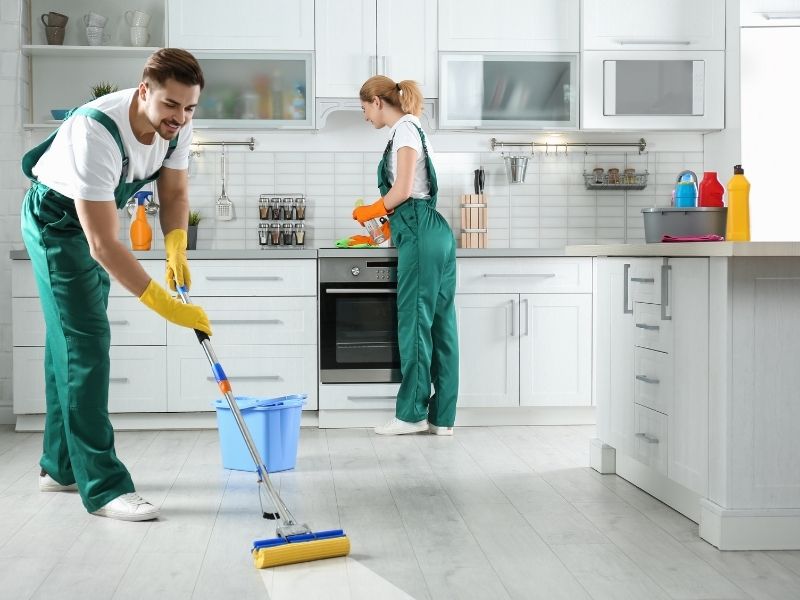
Bathrooms receive intensive attention. We remove limescale from taps, shower heads, and towel rails. The toilet, sink, bath, and shower all get deep cleaned with antibacterial agents. Grout lines get scrubbed, and any mould is treated. Light fittings and extractor fans get cleaned properly too.
Living areas and bedrooms need vacuuming carpets, mopping floors if you have hard floors, and cleaning all surfaces. Windows get washed inside, though external window cleaning usually costs extra. We dust light fixtures, wipe down walls where needed, and clean skirting boards throughout. Most cleaning companies require the property to be empty of all personal belongings before we start so we can reach every area properly.
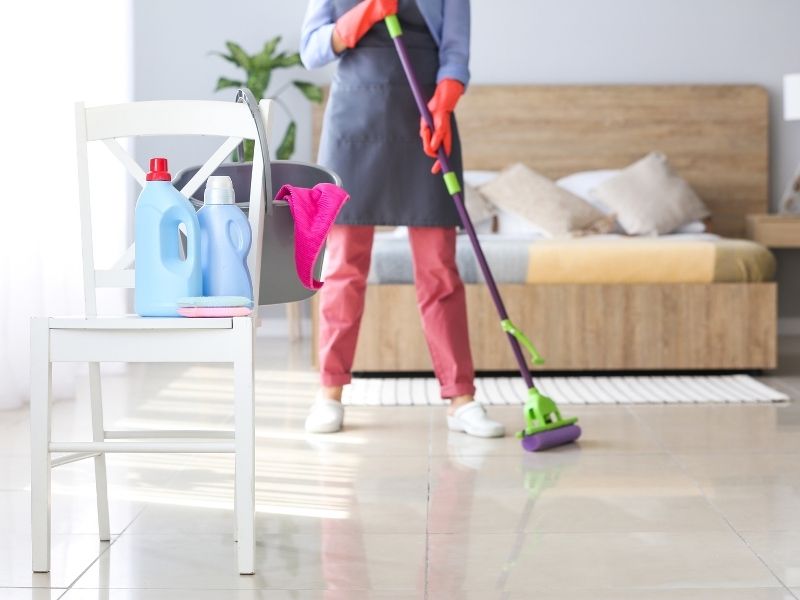
Understanding how property size affects your cleaning bill helps you get accurate quotes. A studio flat in London averages around £200 for a professional cleaning service. The compact size means less area to cover, but the work still needs to meet professional standards.
A one bedroom apartment typically costs between £100 and £250 depending on location and condition. In Darlington, these properties fall on the lower end of that range. The cleaning still includes a thorough clean of the kitchen, bathroom, and living space with all the detailed tasks we mentioned earlier.
Two-bedroom properties represent the most common rental size in the UK. The average cost of end of tenancy cleaning for a two-bedroom property sits around £260 nationally. The average cost of end of tenancy cleaning in London for a two-bedroom apartment is approximately £285. For our customers in Darlington, a two-bedroom end of tenancy clean ranges from £90 to £135, influenced by factors like property condition and whether you need carpet cleaning or other additional services.
Three-bedroom homes cost more because of increased square footage and usually an extra bathroom. Many homeowners ask how much to deep clean a 3 bedroom house, and national prices range from £180 to £350. In Darlington, we charge £135 to £158 for a three-bedroom end of tenancy clean, which reflects the extra time needed to clean larger properties properly.
Larger properties with four or more bedrooms require the most time and resources. National pricing often exceeds £350, sometimes reaching £490 or more. We price four-bedroom end of tenancy cleaning in Darlington from £158 to £225. The upper end of this range applies when properties have multiple bathrooms, heavy soiling, or need extra services like deep carpet cleaning.
Standard end of tenancy packages cover the essentials, but certain tasks cost extra. Professional carpet cleaning represents one of the most common additional services. Carpets are one of the biggest problem areas at the end of a tenancy because stains and odours frequently lead to partial deposit deductions. Carpet cleaning costs £20 to £70 per room, or you might see quotes for deep carpet cleaning starting around £50 per room using hot water extraction methods.
Upholstery cleaning adds another layer of cost if you have furnished properties. Pet hair and odours increase cleaning time by up to 30%, so carpet or upholstery cleaning becomes essential in these situations. Professional carpet cleaners can remove stubborn marks and smells that regular vacuuming misses.
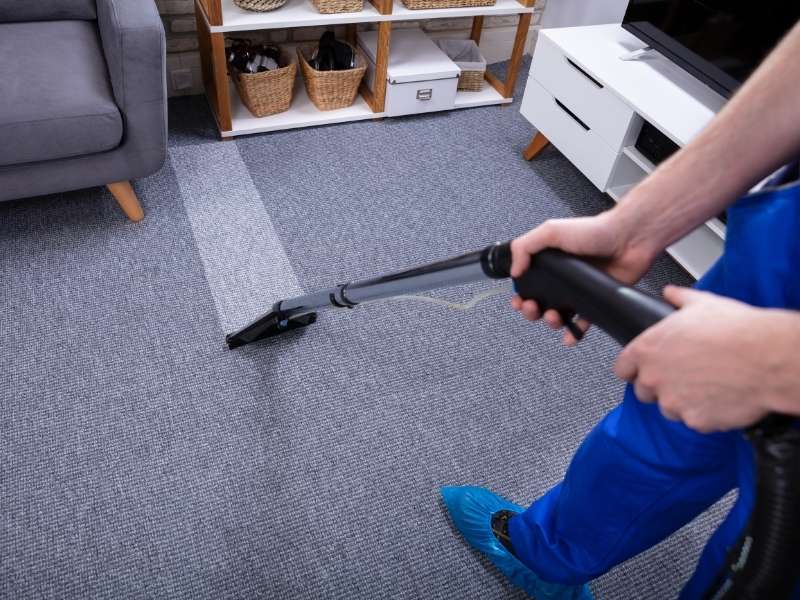
Oven cleaning sometimes appears as a separate line item, though we include basic oven cleaning in our standard service. Questions like how do you clean an oven glass door often come up, especially for heavily soiled ovens that need oven deep cleans, which can cost extra. The same applies to appliance cleaning when fridges or freezers have been neglected for months. Properties with ovens, extractor fans, and fridges not professionally cleaned are significantly more likely to trigger landlord deductions.
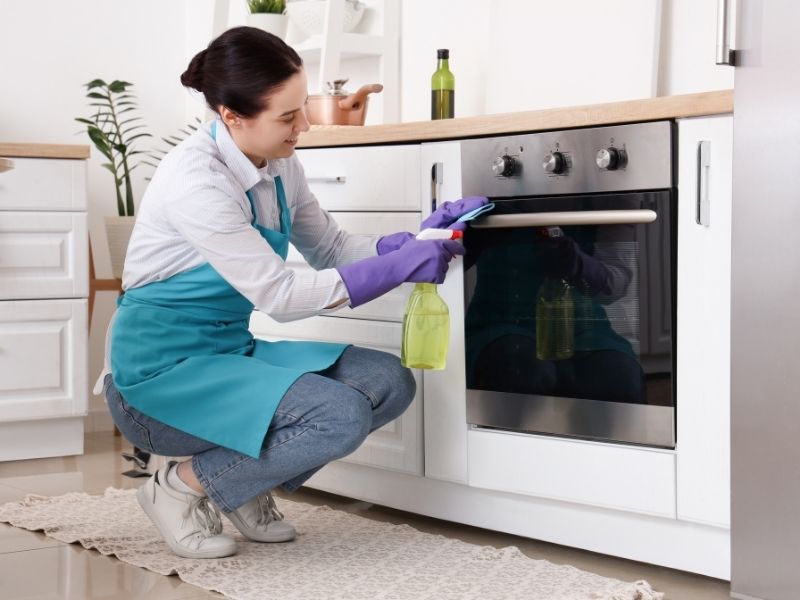
External window cleaning, garden maintenance, and garden clearance all count as extra services. Most cleaning companies focus on interior work, so outside areas require separate arrangements.
If you need same-day or next-day service, expect to pay a premium. Booking urgent cleaning is often more expensive than sessions booked in advance. Planning ahead by one to two weeks helps you secure better rates and availability while still getting the thorough clean your landlord expects.
We base our Darlington pricing on fair rates that reflect the detailed work involved in professional end of tenancy cleaning. For a two-bedroom property, our typical range runs from £90 to £135. This price covers all the standard tasks including kitchen deep cleaning, bathroom sanitising, and living area cleaning. The lower end applies to well-maintained properties, while the upper range covers homes needing more intensive work.
Three-bedroom properties cost £135 to £158 for an end of tenancy service. The extra bedroom and typically additional bathroom mean more time and materials. We still complete the same meticulous standards across every room, ensuring the property meets professional cleaning company expectations.
Four-bedroom homes range from £158 to £225 for our end of tenancy cleaners to complete. These larger properties often have two or more bathrooms, bigger kitchens, and more living space. The cleaning issues multiply with size, so the time investment grows accordingly.
Several factors push prices toward the higher end of these ranges. Properties with heavy limescale build-up in bathrooms need stronger products and more scrubbing time. Serious grease accumulation around hobs and ovens requires professional equipment and degreasers. Mould, smoke residue, or extensive pet hair all add to the workload. The number of bathrooms makes a difference because each bathroom gets the full deep clean treatment. If your property has two or three bathrooms, factor in the additional cost compared to single-bathroom homes.
End of tenancy cleaning differs from regular domestic cleaning in intensity and scope. Regular cleaning maintains a property's cleanliness, but move out cleaning restores it to letting-standard condition. The work takes between four and seven hours on average, sometimes longer for larger properties or heavily soiled conditions. End of tenancy cleaning requires a higher standard than regular domestic cleaning, often involving two to three times more detailed tasks. This explains why it's usually priced as a one-off service rather than an hourly rate.
Across the UK, homeowners and tenants often pay considerably more than our Darlington customers. In 2026, the typical cost for a professional end of tenancy cleaning service in the UK generally ranges from £180 to £415 or higher depending on size and location. End of tenancy cleaning costs in the UK typically range from £150 to £490 including VAT.
London sets the benchmark for expensive tenancy cleaning prices. Properties in major cities generally have higher cleaning rates. Tenancy cleaning London services cost 15% to 30% more than the national average. Professional services account for increased labour costs, transport expenses, and the higher cost of operating in the capital. London prices are typically 15% to 30% higher than the national average across most service categories.
Other major cities follow similar pricing patterns, though usually not quite as steep as London. Cities like Manchester, Birmingham, and Edinburgh charge more than smaller towns and rural areas. Darlington offers substantial savings compared to these urban centres while maintaining the same quality standards.
The average hourly rate for end of tenancy cleaning in the UK is between £20 and £25 when companies charge by time rather than fixed rates. Professional cleaning service providers in Darlington align with the lower end of this range. Independent cleaners charge roughly £14 to £22 per hour, while professional agencies typically charge £20 to £34 per hour, though fixed pricing for move out cleaning is now more common because it gives tenants certainty about their cleaning bill.
Around six in ten tenants do not receive their full deposit back, with cleaning issues being one of the most common reasons for deductions. Cleaning-related deductions typically account for 30% to 50% of all deposit disputes at the end of a tenancy. These statistics reveal why professional end of tenancy cleaning often makes financial sense.
The risk of not cleaning to the landlord's expectations can result in losing part or all of your deposit. Professional end of tenancy cleaning costs less than the average deposit deduction in many cases. If your deposit is £1,000 and you face a £200 deduction for cleaning issues, spending £135 on professional cleaners suddenly looks like smart financial planning.
DIY cleaning can be time-consuming and physically demanding. Tenants often underestimate the time needed for an end of tenancy clean by 40% or more, especially when attempting to clean alongside moving out. What you think will take an afternoon often stretches into multiple days. Professional cleaners handle the work efficiently using professional equipment and strong degreasers, limescale removers, and antibacterial agents that achieve results beyond typical household cleaning supplies.
The average end of tenancy clean takes between four and seven hours, depending on property size, condition, and whether appliances are included. Same-day move-outs increase the likelihood of missed cleaning issues, especially in kitchens and bathrooms.
Many landlords require proof of professional cleaning before they release the full deposit. A receipt from a reputable cleaning company demonstrates you've met your obligations under the tenancy agreement. Letting agents commonly use detailed inventory checklists with 50 or more individual cleaning points when assessing a property at move-out. Questions like do landlords have to clean between tenants often arise at this stage. We work to these agency approved checklists, which gives you the best chance of passing final inspection.
Landlords often expect the property to be returned in a professionally clean condition, even if professional cleaning was not used at the start of the tenancy. Professional end of tenancy cleaners usually work to estate-agent-approved checklists rather than standard household routines, which helps meet these higher expectations.
We provide a free re clean guarantee if the landlord or agent identifies cleaning issues during the check out report. This protection isn't available with DIY cleaning. If you miss something, you're liable for the deduction. Properties that pass the first end of tenancy inspection rarely face any further cleaning-related costs.
Tenants who book professional end of tenancy cleaning report less stress during move-out and faster deposit returns. Professional end of tenancy cleaning is essential to secure your deposit back in full according to industry best practices and letting agent expectations.
Properties that are particularly dirty and require extensive cleaning will cost more to clean. When you request a quote, be honest about the property condition. If you've let things slide during your tenancy, mention it upfront. Surprises during the actual clean often lead to additional cost charges.
Properties that have not been deep cleaned during the tenancy are far more likely to require professional intervention at the end. Limescale in bathrooms and grease build-up in kitchens are two of the most frequently cited reasons for failed end of tenancy inspections.
Standard packages often exclude specialized deep-cleaning tasks. Read your quote carefully to understand what's included. Some companies list oven cleaning, carpet cleaning, and upholstery cleaning as optional extras rather than standard inclusions. Different cleaning companies have different pricing structures for their services, which can affect the overall cost you pay.
If the property is cluttered when tenancy cleaners arrive, they may charge extra or reschedule the service. Many cleaning companies require that the property is empty to perform a thorough clean. This isn't unreasonable because personal belongings block access to surfaces, cupboards, and floors. Empty the property of personal belongings before the cleaning service arrives to avoid these issues.
Booking an end of tenancy cleaning service during peak times like weekends or holidays may result in higher charges. The cleaning industry follows supply and demand like any other sector. Moving season in summer sees increased demand for move out cleaning, which can push prices up or reduce availability. It's advisable to book your end of tenancy cleaning service one to two weeks in advance to secure better rates and availability.
The condition of the property, including factors like dirtiness and specific cleaning requirements, can impact the cost of cleaning significantly. Discuss any special requirements with the cleaning company when requesting a quote, such as heavily soiled areas or additional services you need.
Taking a few steps before your professional cleaners arrive helps them work more efficiently and ensures you get the best results. Defrost the freezer at least 24 hours before the cleaning service. A frozen freezer blocks proper cleaning and can delay the whole job. This simple step makes the appliance ready for deep cleaning when we arrive.
Decluttering before the clean makes the process smoother and reduces the number of items to pack at the last minute. Remove all personal belongings from cupboards, wardrobes, and storage areas. The more access cleaners have to surfaces, the more thorough the clean becomes.
Check your tenancy agreement for specific cleaning requirements. Some landlords expect certain standards or specific tasks completed. Share these requirements with your cleaning company when requesting a quote. Professional services often guarantee their work and may offer a re clean if standards are not met, but they need to know the expectations upfront.
If you have carpets with stubborn stains or odours, consider arranging professional carpet treatment before the general clean. Steam cleaning can remove marks that surface cleaning won't touch. The same applies to smoke residue on walls or ceilings. Mentioning these issues when booking allows the cleaning company to allocate appropriate time and bring suitable products.
Make sure utilities remain connected until after the clean. Cleaners need hot water extraction equipment for carpets, water for mopping floors, and electricity for vacuum cleaners and other tools. Disconnecting services too early makes professional cleaning impossible and can leave you scrambling for alternative arrangements.
The tenancy deposit scheme protects both landlords and tenants when disagreements arise. If your landlord wants to make deductions for cleaning, they need evidence that the property wasn't returned in acceptable condition. A detailed inventory from move-in provides the comparison point. Professional cleaning receipts help prove you've made reasonable efforts to meet your obligations.
Cleaning disputes are one of the most time-consuming issues in deposit resolution processes for both tenants and landlords. These disputes often centre on whether cleaning meets professional standards or just basic cleanliness. Having professional cleaners complete the work tips the balance in your favour because you can demonstrate you hired qualified people to restore the property.
Your landlord cannot charge you for general wear and tear. Normal use of a property during a tenancy creates some degradation. The next tenant benefits from a clean property, but you're not responsible for making everything brand new. If your landlord tries to deduct excessive amounts for minor cleaning issues, challenge it through the deposit protection scheme.
Many landlords require proof of professional cleaning such as a receipt to ensure the property is left in a clean state. Hold onto all invoices from your cleaning service. These documents demonstrate you've taken the right steps, even if the landlord disagrees with minor details.
Keep records of the property condition when you moved in. Photos from your initial inventory help contest unfair deductions. Compare these with photos after your professional end of tenancy clean. This documentation proves the property was returned to similar or better condition than when you started the tenancy.
If disputes escalate, the deposit protection scheme offers free arbitration. Present your evidence including professional cleaning receipts, photos, and any communication with your landlord. Most cases resolve in favour of tenants who can prove they hired professional services and left the property in good condition. Deposit disputes can drag on for weeks, so professional cleaning from the start helps avoid this stress.
Even with professional cleaners, properties occasionally fail final inspection. This situation is frustrating but not necessarily a disaster. First, check what specific issues the landlord or agent identified. Sometimes these complaints highlight minor problems that most cleaning companies will fix under their guarantee.
Contact your cleaning company immediately with the check out report details. Reputable professional services usually offer a free re clean to address any missed areas or insufficient cleaning. Professional cleaners use strong degreasers, limescale removers, and antibacterial agents to meet high cleanliness standards, so genuine misses are relatively rare.
If the landlord's expectations seem unreasonable, compare their complaints against the initial inventory. They cannot expect better conditions than when you moved in. Normal wear and tear doesn't qualify as a cleaning failure. Landlords often expect the property to be in immaculate condition, but legal standards focus on reasonable cleanliness and repair.
When cleaning issues are legitimate, a prompt re clean usually resolves matters. Professional end of tenancy cleaning is designed to return your home to its original state of cleanliness. If your initial service missed areas, having them corrected quickly prevents deposit deductions and saves everyone time.
Document everything during this process. Take photos after the re clean showing the addressed areas. Keep all communication with the cleaning company and landlord. This paper trail protects you if the dispute continues or if you need to involve the tenancy deposit scheme arbitration service.
Remember that end of tenancy cleaning is often the key to receiving your full deposit back because landlords are discerning about cleanliness standards. Hiring professional cleaning services helps ensure you get your full deposit back by meeting these high expectations from the start.

Commercial properties follow different pricing structures than residential rentals. Office spaces, retail units, and commercial premises require tailored quotes based on square footage, facilities present, and specific industry standards. For commercial end of tenancy requirements, we assess each property individually to provide accurate pricing that reflects the scope of work involved.
DIY cleaning approaches can reduce costs if you handle basic tasks and hire professionals for the difficult areas. However, tenancy service providers often offer better value through complete packages because we work efficiently with professional equipment. Partial DIY attempts sometimes create more problems when different standards clash during final inspection.
Initial quotes typically assume average property condition. When cleaners arrive and discover excessive dirt, neglected appliances, or damage requiring extra attention, the additional cost reflects the real work needed. Being transparent about your property's condition during booking helps provide accurate quotes from the start. Most cleaning companies aim for fair pricing but can only quote accurately when they know what they're dealing with.
Our standard tenancy cleaning cost covers all rooms, kitchen appliances including oven and hob, bathroom deep cleaning including limescale removal, vacuuming carpets, mopping hard floors, window cleaning inside, and cleaning of light fittings and skirting boards. We follow the agency approved checklist to ensure nothing gets missed during the thorough clean your landlord expects.
The price to get an Airbnb ready between guests in the UK typically sits between £50 and £120 per changeover, but this shifts based on size, whether linen washing is included, and where you are. For a 2-bedroom place, plan on £45 to £55 for the clean itself, or £85 to £90 when you add linen care. Bigger places and those in city centres can go past £150 per session. We'll show you exactly what drives these numbers and what you should budget for in different situations.
When people check out of their rental home, what follows is far more involved than a standard house tidy. The cleaning fee on an Airbnb typically represents a percentage between 15% and 25% of the total booking value for short stays of two to three nights, making it one of the biggest hidden fees for those who book.
We work to a checklist of 50+ individual tasks per changeover, far more detailed than a regular domestic session. This covers everything from washing all linens and towels to tidying inside cupboards, checking for damage, restocking amenities like toilet paper and shampoo, and making sure floors are spotless.
The work is time-sensitive. On average, a full changeover takes between 2.5 and 5 hours, depending on how big the place is, how much linen there is, and what condition it was left in. Same-day turnarounds can push fees up by 10% to 25%, because of tighter timing, more staff needed, and a higher chance of delays.
Our standard service handles all the core tasks to get your rental ready for new arrivals, and many property owners often ask how much does it cost to clean an Airbnb in Darlington when planning their budgets. This means all rooms, bathrooms, kitchen, vacuuming, mopping, dusting, and taking out rubbish. These rates exclude linen washing and restocking.
When you add linen washing, the figure shifts based on bed sizes (singles versus doubles), how many sets you have, and turnaround needs. Linen washing accounts for up to 40% of the total price on changeovers, especially where double beds, spare sets, and same-day turnarounds come into play.
Those who include linen washing typically shell out £30 to £60 more per session compared to clean-only changeovers, depending on the number of beds and volume. Here are our typical fees and ranges with linen care:
Restocking isn't a fixed figure because it depends on how basic versus how upmarket you want to go and what items you need. Some prefer a simple restock of essentials, while others provide welcome packs with premium items. We handle restocking as part of what we do, but the amount depends entirely on your specific needs and what products you want us to supply.
For budgeting, think about a basic restock covering essentials like toilet paper, hand soap, bin bags, and kitchen basics versus a premium option that includes things like coffee, tea, snacks, and high-end toiletries. Rather than quoting a standard restocking figure, we work with each person to determine what makes sense for their rental and who stays there.
Rates can shift depending on what condition it's in, how many bathrooms there are, whether there are hot tubs or pools, if pets are allowed, deep-clean requirements, and how fast you need the turnaround. Having more than one bathroom increases time by an average of 30 to 45 minutes per extra bathroom, which directly affects the final charge.
Places that allow pets often run 15% to 30% more because of extra vacuuming, odour treatment, and allergen removal. Deep sessions, which go beyond a standard changeover, usually run the equivalent of two to three standard sessions and are commonly required every 6 to 12 weeks to maintain review scores.
We've looked at multiple credible UK sources to give you a fair picture of what the average cleaning fee looks like nationally. To avoid relying on just one perspective, we averaged data from several published guides.
Pass the Keys (published 3 September 2024), typical fees for UK rentals range from £40 to £100 depending on size and where they are.
Houst (published 16 May 2025) reports that most UK operators charge between £50 and £120 per stay.
Airtasker UK (published 3 June 2025) notes that professional services charge between £13 and £40 per hour, with full changeovers often totalling £50 to £100 for average-sized places.
BetterMaid UK (published 19 November 2025) states that fees typically fall between £60 and £130 for 2 to 3-bedroom homes.
Smoobu UK (published 18 December 2025) suggests £40 to £70 as a common range for smaller rentals.
HelloGuest (published 16 August 2024) highlights that holiday let changeovers can reach £50 to £120.
When we combine these ranges and calculate a midpoint across sources, the typical UK figure sits around £50 to £100 for most places, with an average midpoint of roughly £70 to £75.
Across the UK, the most common fee sits between £50 and £120 per stay, but larger places with multiple bathrooms can go past £150 once linen washing is included.
The average cleaning fee for UK operators often ranges between £40 to £70, though this shifts higher in cities and for bigger homes.
We averaged multiple published ranges to reduce bias and reflect real market variation. Your actual amount will depend on the specifics of your rental and local rates in your country.
Size is the single biggest factor when we determine what to charge. Many clients often ask how much to deep clean a 3 bedroom house, and as of 2026, typical fees for a 2-bedroom rental range from £50 to £100. For 1-bedroom rentals, fees can range from £30 to £65 in the UK. Larger homes (5+ bedrooms) might run £80 to £180 or more.
What it takes to get a rental ready usually depends on how big it is and the hourly rate of whoever you choose. The hourly rate for regular work ranges from £13 to £40. Most firms charge per hour or at a fixed rate, with hourly services for regular work ranging from £13 to £40.
Fees rise sharply once a place exceeds four bedrooms, because larger homes often need multiple people to meet check-in deadlines. Every extra bedroom, bathroom, and living area adds time and labour. Places with pools or hot tubs usually run higher.

In major cities such as London, fees are typically higher because of elevated living expenses. In urban and tourist-heavy areas, rates are typically 20% to 35% higher than in smaller towns, because of higher labour rates and tighter availability. The figure can be influenced by higher standards in popular tourist destinations. Many hosts also ask how much is house cleaning in Darlington to gauge their local pricing against the national average.
Professional services in the UK charge between £13 and £40 per hour, but in London the hourly rate often sits at the upper end or even higher. Rates in the UK are influenced by size, type, where it is, amenities, and what you need done. What you'll end up paying can shift widely depending on the type of rental, location, and the expectations of who books.
If your rental is in a smaller town or rural area, you might find rates closer to the lower end of the national average. But if you're in a city or popular holiday spot, plan to pay more.
Washing and preparing linens is one of the most time-consuming parts of any changeover. Linen washing accounts for up to 40% of the total figure on changeovers, especially where double beds, spare sets, and same-day turnarounds are required.
Many operators hire professionals to maintain standards between stays, and linen care is often bundled into that package. Services often include tasks such as laundering bed linens, tidying bathrooms and kitchens, and restocking essential items.
The more beds you have, the more linens need washing. If you provide multiple sets per bed or have king-size bedding, the linen load increases. Towels also add up quickly, especially if you provide bath sheets, hand towels, and face cloths for every person who books.
Some handle their own linen washing to save, but this adds significant time to the changeover process. Those who do it themselves often underestimate time by 25% to 40%, particularly when laundering bedding, restocking supplies, and resetting everything for new arrivals.
Airbnb cleaning fees are typically a one-time figure that operators can add to help cover the price of getting their rental ready between stays. The fee should cover the price of products, professional services, and the time invested in maintaining a tidy environment. Any service fee that applies to the reservation is separate from what you charge, though both affect the total price for who books.
A standard changeover covers all the visible and functional areas. This means all rooms are vacuumed or mopped, surfaces wiped down, bathrooms scrubbed, kitchen tidied, bins emptied, and everything left ready for immediate arrival. Cleaning fees cover all the tasks that get the space guest-ready after each stay.
What fees don't usually include are things like deep carpet work, exterior window washing, garden maintenance, or repairs. Those are separate expenses. Deep sessions, which go beyond a standard changeover, usually run the equivalent of two to three standard sessions and are commonly required every 6 to 12 weeks to maintain review scores.
Services focus on high-touch and hard-to-reach areas in a rental. It's wise for operators to provide a checklist to make sure all necessary tasks are completed. Those who bundle changeovers, linen care, and basic restocking into a single service often reduce their long-term expenses by avoiding emergency call-outs and last-minute rushes.
Higher turnover frequency increases what you spend because of the need for more frequent services. If you have people checking in and out every couple of nights, your monthly bill will add up fast. Those with longer stays see fewer fees because there are fewer changeovers.
Same-day turnarounds can push rates up by 10% to 25%, because of tighter timing, increased staffing, and higher risk of delays. When one person leaves in the morning and another arrives in the afternoon, the pressure is on. We need to work faster, and sometimes that means bringing in extra help, which runs more.
Short stays of one or two nights are common, but they create the most work. The fee typically represents a percentage between 15% and 25% of the total booking value for short stays of two to three nights, making it one of the biggest hidden fees. Longer stays reduce the frequency of deep sessions, which helps control what you spend.

Most firms charge per hour or at a fixed rate. The hourly rate ranges from £13 to £40, but this can shift based on where you are and the level of service required. A fixed rate gives you predictable figures, which makes budgeting easier. You know exactly what you'll shell out per session regardless of how long it takes.
Hourly rates can work well if your rental is straightforward and doesn't need much extra work, but they introduce uncertainty. If people leave the place in poor condition, an hourly worker will charge more. With a fixed rate, we take on that risk, which is why many prefer it.
When you hire someone, ask whether they charge a flat figure or by the hour. Make sure you understand what's included and what might run extra.
Luxury listings often justify higher fees because of stringent standards. If your rental is marketed as high-end, people will want perfection. That means more attention to detail, premium products, and often more time spent on each task.
Higher-end places might also have more delicate surfaces, expensive furnishings, or specialist items that need careful handling. All of this adds to what you'll pay. The quality of the session directly affects your reviews, and for luxury places, a single negative comment about how tidy it was can be damaging.
Listings with professional services receive higher ratings on average, which can bump nightly rates by up to 10% without reducing occupancy. Investing in quality work is not just about meeting what people want; it's about protecting your earnings.
Airbnb cleaning fees can significantly affect the overall price of a stay, influencing booking behaviour. The platform's total price display requires that those who book can see the all-in amount, which can impact reservation decisions based on fees and any service fee. If your fee is too high compared to similar listings, potential bookings might look elsewhere.
People often feel surprised by fees if they are not clearly disclosed upfront. Transparency is crucial when listing your rental. A well-calculated figure enhances satisfaction without deterring potential bookings. Fees are often seen as a reasonable charge for professional upkeep by some, but others find them off-putting if they seem excessive.
The total price of a stay, including fees, is considered by the algorithm when ranking listings. A competitively priced figure can enhance your visibility on the platform, leading to more bookings. Fees can significantly affect your ranking and overall experience for who stays.
Fees are often seen as a standard feature in how most listings are priced. Operators need to balance covering their expenses with staying competitive. Setting the right charge can help you rank higher and attract more people.
A poorly tidied rental is one of the top three reasons people leave negative reviews, alongside misleading listings and communication issues. Being tidy is non-negotiable. People often prioritize cleanliness when choosing a rental, and it's one of the first things they comment on in reviews.
People have heightened expectations for being tidy, especially post-pandemic. How tidy it is can significantly affect satisfaction and overall experience. Consistent positive reviews regarding cleanliness can lead to repeat bookings. Satisfaction is directly tied to how tidy and well-maintained your rental appears when they arrive.
If people arrive to dirty floors, unwashed linens, or grimy bathrooms, plan on a poor review and possibly a complaint. This damages your reputation and can reduce future bookings. Investing in professional work helps protect your earnings and maintain high standards.
Those who do it themselves often underestimate time by 25% to 40%, particularly when laundering bedding, restocking supplies, and resetting everything for new arrivals. If you have just one or two rentals and enjoy the work, doing it yourself might make sense. But as soon as you scale up, consider hiring help, or find yourself constantly rushing between check-outs, professional assistance becomes worth the spend.
Many operators hire professionals to maintain standards between stays. You can find reliable trusted cleaners by asking for recommendations or searching on platforms like Airtasker, or by contacting local services such as Cleaners Darlington UK. It's important to work with trusted cleaners who understand the specific needs of short-term rentals.
Professionals bring consistency. They follow a checklist, know what people want, and can usually turn around a rental faster than a DIY approach. Services can shift in price based on the size of the rental and the type of work required, but the time you save, reduced fees long-term, and the quality you get often justify the expense.
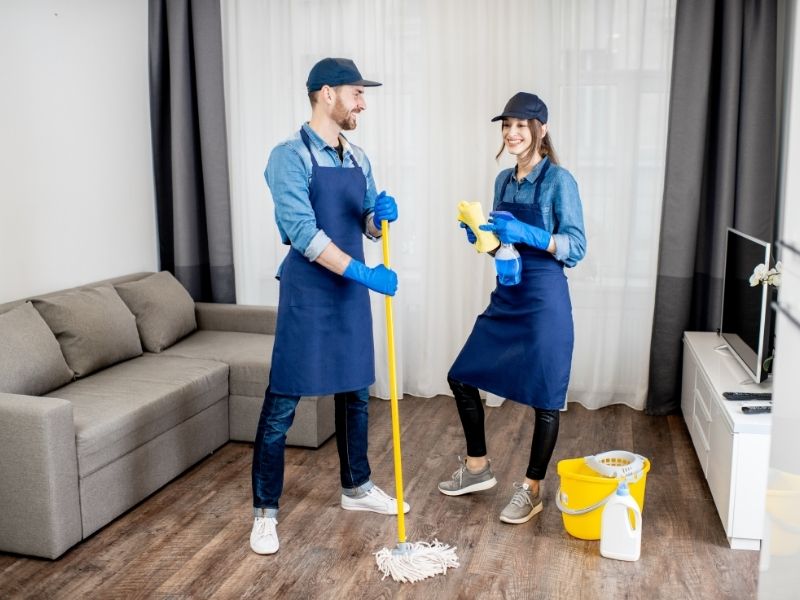
To work out what to charge and what guests pay, start by figuring out what you actually shell out per session. Add up what the cleaner charges, any products or supplies, linen expenses, and restocking. Then determine whether you want to pass the full amount or absorb some of it into your nightly rate.
Many charge a flat figure, even though actual figures fluctuate significantly depending on behaviour, stay length, and occupancy level. Some set the figure slightly higher to handle occasional deep sessions or unexpected messes. Others keep it closer to the actual amount to stay competitive.
Look at similar listings in your area to see what others charge. This gives you a benchmark and helps set expectations with potential bookers. A well-calculated figure enhances satisfaction without deterring potential bookings. The key is to be transparent, competitive, and realistic about what your rental requires.
Airbnb cleaning fees keep going up. These airbnb cleaning fees are rising because of higher labour rates and growing expectations for being tidy. The average UK operator increases fees at least once every 12 to 18 months to keep pace with rising labour, energy, and linen expenses.
Labour rates across the UK have been climbing, and the price of living increases mean we need to charge more to handle our own expenses. Energy bills for washing machines and tumble dryers have also gone up, which affects the total price of doing linen work.
People now want higher standards than they did a few years ago. Post-pandemic, being tidy has become a priority, and operators need to meet those expectations or risk poor reviews. This means more thorough sessions, better products, and sometimes more time spent on each rental. All of this pushes fees higher.
Work is just one piece of the puzzle. Operators also need to think about insurance, potential damage, and unexpected expenses. If someone causes damage, you might need a specialist session or repairs that go beyond a standard changeover.
Some include a small buffer in their fee to handle these occasional extras. Others keep the fee separate and charge directly for any damage through the platform's resolution centre. Either way, it's worth thinking about how you'll handle these situations.
Insurance policies for short-term rentals often require certain standards of being tidy and maintenance. Keeping detailed records of your schedule and who did the work can help if you ever need to make a claim.

One way to reduce what you spend is to encourage people to leave the rental in good condition. Simple reminders in your house rules, like asking people to put rubbish in bins and load the dishwasher, can make a real difference. The tidier people leave the space, the less time and spend you'll have on the next session.
Another tip is to negotiate with whoever you hire. If you have multiple rentals or frequent bookings, you might be able to agree to a lower rate in exchange for regular work. Building a good relationship with whoever you hire can also mean better service and more flexibility when you need a last-minute turnaround.
Operators should think about the frequency of deep work, which is recommended at least once every two weeks. Regular deep sessions help maintain standards and can prevent bigger problems down the line. Investing in good-quality, durable linens and towels also reduces replacement expenses and makes linen work easier.
Finally, keep track of what you're spending. Monitor your expenses over a few months and see where you might be able to make adjustments. Small changes, like switching to more efficient products or adjusting your booking schedule, can add up over time.