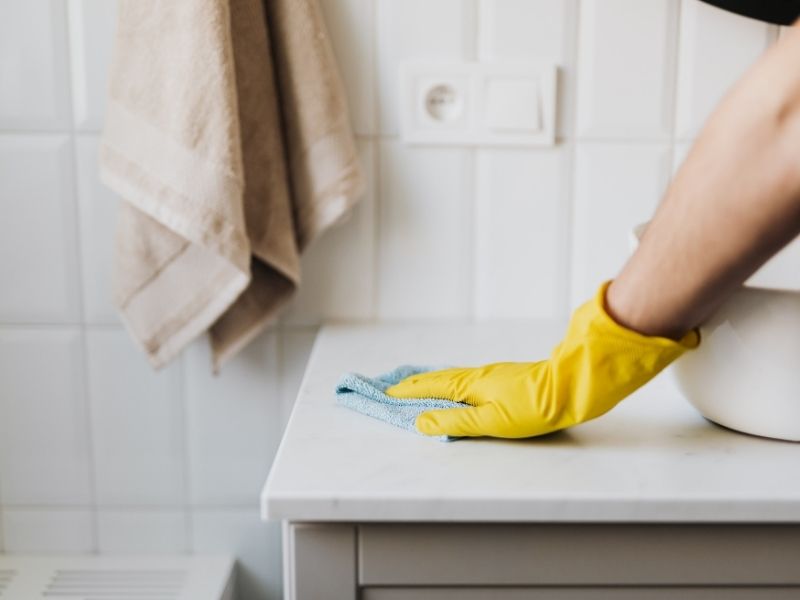
UK landlords face no legal requirement that specifically mandates clean between tenants for residential or commercial properties. While this is the clean legal truth, landlords still clean properties between tenancies for practical business reasons. Properties remain clean and ready through landlord effort to avoid disputes, attract new tenants faster, and protect full deposit returns when needed.
Do landlords have to clean between tenants under current UK law? There is no single statute explicitly answering this question. The legal obligation sits with landlords to provide safe, habitable properties rather than spotlessly clean ones. Residential landlords must meet standards under the Homes (Fitness for Human Habitation) Act 2018, but this focuses on health hazards, not cleanliness itself.

Most tenancy agreements state properties should be returned in reasonable condition accounting for wear and tear. This creates expectations around cleanliness without imposing legal requirements on landlords themselves. Landlords expect tenants to meet reasonable clean standards, but landlords themselves clean properties to prepare them for new occupants.
Professional cleaning appears frequently in tenancy agreement clauses, causing confusion. The phrase refers to the clean standard achieved, not who performs the work. Tenants may complete DIY cleaning if it meets professional clean standards. Landlords cannot force tenants to hire professional cleaning service providers at the end of a tenancy under tenant fees reforms passed in 2019.

Commercial properties rely on lease wording rather than housing standards. If cleaning responsibilities aren't specified in the rental agreement, landlords face no obligation beyond handing over the property in its agreed state. Commercial landlords and tenants negotiate these terms during lease discussions, making every rental property situation different.

Landlords clean properties for business success, not legal compliance. Properties presented clean attract higher quality tenants and rent faster. This practical reality drives landlord behaviour across both residential and commercial sectors.
Clean properties let quickly. When tenants move and properties sit empty, landlords lose rental income daily. Having a clean property ready for viewings immediately brings new tenants in faster. Properties requiring cleaning between viewings delay the process and extend void periods.
We've seen properties at Cleaners Darlington UK let within days when presented clean versus weeks when landlords delay. New tenants judge properties instantly. First impressions determine whether potential tenants submit applications or continue searching elsewhere.
Cleaning impacts rental value substantially. Clean properties command better rents and attract professional tenants who maintain properties properly. Landlords who invest in making properties clean between tenancies usually avoid problems later. Tenants entering clean spaces feel valued and tend to maintain those clean standards themselves.
Tenants carry clear responsibilities to return rental property in the same condition they received it. Every tenancy agreement specifies this requirement. Tenants clean properties to meet landlord expectations set at the tenancy start.
Normal wear and tear differs from cleaning neglect. Fair wear includes carpet flattening from furniture, minor paint scuffs, and fixture ageing. These don't justify deposit deductions. However, dirt, grime, and mess exceed fair wear limits. Landlords charge tenants who leave properties requiring professional cleaning to restore clean condition.
The grey area between fair wear and cleaning duties causes friction. What constitutes reasonable wear and tear varies between landlords. Some landlords accept properties needing light clean work. Others expect properties returned spotlessly clean. This grey area generates most tenancy cleaning disputes.
Tenants who hire professional cleaners increase chances to pass inspection and secure full deposit returns. Professional cleaning produces results meeting landlord expectations more reliably than DIY cleaning. End of tenancy cleaning services specialise in achieving clean standards landlords require, and many tenants often ask how much does an end of tenancy clean cost in Darlington when planning their move-out budget.
Professional cleaning costs typically range from £150 to £300 for average two bedroom properties. This expense often protects larger deposit amounts. Tenants weighing whether to hire professional cleaners should consider their deposit value against professional cleaning costs.
Professional end of tenancy cleaning focuses on areas landlords scrutinise most. Kitchens require clean ovens, hobs, and appliances. Bathrooms need clean tiles, fixtures, and removal of limescale buildup. Windows, skirting boards, and light switches often reveal whether tenants clean thoroughly or superficially.
A comprehensive tenancy cleaning checklist prevents missed areas during move out. Checklists ensure every room receives attention to meet landlord expectations. Tenants following detailed checklists clean systematically rather than randomly, producing better results.
Tenancy cleaning covers more than regular household cleaning. It addresses areas often neglected during occupancy. This includes inside appliances, behind furniture, high areas like ceiling corners, and detailed work on fixtures and fittings.
Cleaning charges represent the leading cause of deposit deductions. When landlords claim tenants left properties needing professional cleaning, disputes arise frequently. The tenancy deposit scheme provides independent adjudication for these disagreements.
Photographic evidence determines who wins cleaning disputes. Landlords must provide proof of property condition at tenancy start and end. Photos showing clean condition initially, then left dirty condition at exit, support deposit deductions for cleaning costs.
Taking photos throughout tenancies protects both parties involved. Landlords photograph properties before tenants move in and after tenants leave. Tenants should take photos when vacating to prove clean condition. These images become crucial evidence in deposit protection scheme adjudications.
The tenant fees Act 2019 changed what landlords can require. Landlords cannot charge tenants for professional cleaning as a mandatory move out requirement. However, landlords still deduct cleaning costs from the tenant's security deposit if properties require cleaning beyond fair wear.
This creates an interesting dynamic. Landlords can't force tenants to hire professional cleaners, but tenants risk deposit deductions if their DIY cleaning doesn't achieve professional clean standard results. Tenants often hire professional cleaners voluntarily to protect the tenant's deposit.
Deposit deductions become justified when properties require cleaning significantly beyond what fair wear and tear would cause. Landlords deducting cleaning costs must prove need through evidence. Reasonable cleaning charges might involve professional cleaning invoices showing actual costs incurred.
The tenant's security deposit protects landlords against cleaning defaults. When the previous tenant leaves properties needing deep clean work, landlords request cleaning costs through the deposit protection scheme. Adjudicators assess whether deductions match actual cleaning needs based on provided evidence.

Properties handed over clean create positive starts. New tenants entering clean spaces feel respected and valued. This psychological aspect of property management affects how tenants treat properties throughout their tenancies.
Even when outgoing tenants clean properties well, landlords typically clean again before the next tenant moves in. This additional cleaning ensures properties meet the high clean standards new occupants expect. Properties clean to one tenant's standards may not satisfy the next tenant's expectations.
End of tenancy cleaning by departing tenants addresses obvious areas but often misses detailed work. Landlords cleaning properties afterwards catch these details. Light switches, skirting boards, and hidden areas receive attention in this final clean phase.
New tenants spot cleaning deficiencies within minutes of entering properties. Dirty windows, marked walls, unclean bathrooms, and kitchen residue create immediate negative impressions. These observations shape tenant attitudes before tenancies even begin.
Properties clean to professional standards signal landlord care and attention. Tenants moving into impeccably clean properties assume landlords maintain high standards generally. This expectation influences how tenants report maintenance issues and how they maintain properties during their stays.
Furnished rental property cleaning extends beyond structural cleaning. Furniture, soft furnishings, curtains, and supplied appliances all require clean condition. Landlords providing furnished properties set higher clean expectations than unfurnished lettings.
Furnished properties need deep clean attention to supplied items. Sofas, beds, dining furniture, and soft furnishings accumulate dirt and odours during tenancies. Professional cleaning for furnished properties often includes upholstery cleaning, mattress sanitisation, and curtain cleaning alongside standard house clean tasks.
The property clean standard for furnished lets significantly exceeds unfurnished property requirements. Tenants renting furnished properties expect everything clean and fresh. Landlords must clean every supplied item to meet these legitimate tenant expectations.
Residential and commercial properties face different clean requirements. Residential landlords focus on habitability and tenant comfort. Commercial landlords deal with workspace functionality and, in some cases, regulatory compliance affecting specific business types.
Offices need moderate clean attention between tenancies. However, food service, medical facilities, childcare centres, and gyms require specialist professional cleaning before new occupants can operate legally. These business types face health and safety regulations making deep clean work mandatory regardless of landlord obligations.
Commercial landlords should understand what incoming tenant businesses require. A landlord leasing to a restaurant must provide a property clean enough to pass health inspections. This often means specialist degreasing, ventilation system cleaning, and deep clean kitchen work beyond what standard tenancy cleaning covers.
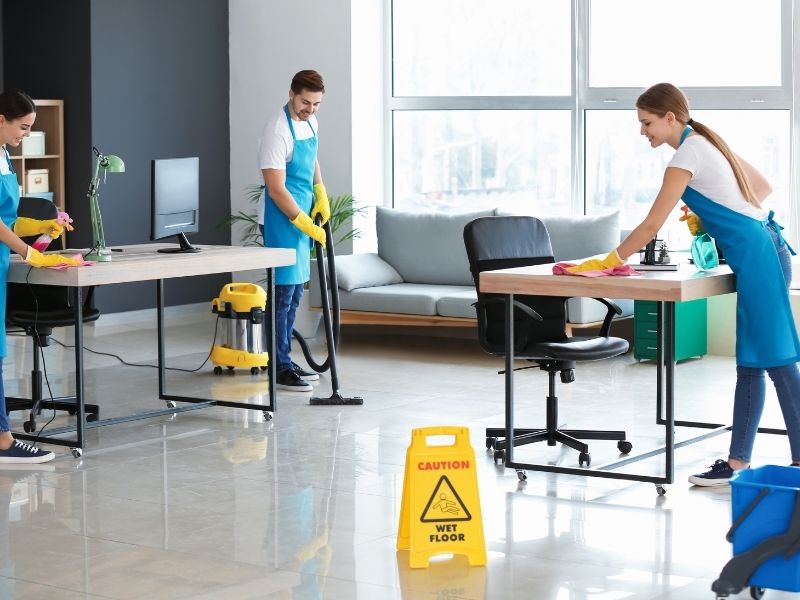
Professional cleaning costs money. Landlords must budget for cleaning as an operational expense rather than hoping the tenant's deposit covers everything. This mindset shift improves property management outcomes significantly.
Professional cleaning costs vary by property size and condition. Many people ask how much to deep clean a 3 bedroom house, and standard end of tenancy cleaning for two bedroom properties costs £150 to £300. Larger properties or those requiring deep clean work cost more. Commercial properties vary dramatically based on size and previous use.
Landlords who spend money on professional cleaning between every tenancy typically benefit financially. Faster letting reduces void periods, offsetting cleaning costs. Better tenants attracted by clean properties cause fewer problems, reducing overall management costs.
Every day properties sit empty costs landlords rental income. Professional cleaning enabling immediate reletting saves money despite upfront costs. A clean property letting one week faster easily justifies £200 to £300 in cleaning costs through avoided void period losses.
Quality tenants choose clean properties over competitors. Landlords investing in property presentation attract tenants who pay rent reliably and maintain properties well. These better tenancy relationships reduce long term management headaches, making initial cleaning investments worthwhile.
Landlords handling tenancy ends systematically avoid disputes and prepare properties efficiently for new tenants. Following structured processes protects interests while treating outgoing tenants fairly.
Comprehensive documentation starts tenancies and ends them properly. Landlords take detailed photos and videos at check in showing clean conditions. When tenants move out, landlords repeat this documentation to create comparison evidence.
Photographic evidence captures details written descriptions miss. Photos of clean ovens, bathrooms, and carpets at tenancy start to establish baselines. Photos showing these same areas when tenants leave prove whether cleaning standards were maintained.
Landlords avoid disputes by stating expectations explicitly in tenancy agreements. Clear tenancy agreement clauses specifying required clean standards prevent misunderstandings. Providing tenancy cleaning checklists at tenancy start sets clear targets for tenants to meet when they move out.
Under regulations taking effect May 2026, landlords must provide written statements detailing cleaning and maintenance responsibilities before tenancies begin. This formalises what good landlords already do, making expectations transparent for both parties involved.
Landlords face choices about requiring professional cleaning. While landlords cannot mandate tenants hire professional cleaning service providers under tenant fees rules, landlords can set clean standards tenants must meet however they choose.
Letting agents often recommend including professional clean standard language in tenancy agreements. This doesn't force tenants to hire professional cleaners but clarifies the clean quality level expected. Tenants achieving this through thorough DIY cleaning satisfy requirements without hiring professionals.
Sometimes outgoing tenants leave properties in unacceptable condition. Landlords face several options when confronting properties left dirty.
Landlords cannot arbitrarily deduct large cleaning costs from deposits. Deductions must reflect actual cleaning costs required to restore reasonable condition. Landlords provide evidence like professional cleaning invoices to justify deposit deductions.
Stained carpets create particular challenges. Heavy staining may exceed what professional cleaning can address, requiring replacement. However, landlords must prove whether stains resulted from tenant negligence versus normal wear. This distinction determines whether replacement costs come from the tenant's deposit.
Occasionally the previous tenant abandons properties in terrible condition. Beyond normal cleaning needs, landlords might face rubbish removal, odour treatment, pest control, and extensive cleaning requirements. These situations justify larger deposit deductions, but landlords still must document everything and provide proof to deposit protection schemes.
Properties left spotless by tenants remain rare but valuable. When this happens, landlords often return full deposit amounts immediately. This positive ending benefits tenants through good references and benefits landlords through maintained properties requiring minimal preparation for new tenants.
Professional cleaning provides more than clean surfaces. It creates documentary protection and reduces liability risks for landlords.
Professional cleaning receipts prove landlords took reasonable steps to prepare properties. If new tenants complain about cleanliness issues shortly after moving in, landlords showing professional cleaning invoices defend their positions effectively.
Professional services also reduce complaints. Professional cleaners clean to higher standards than most DIY cleaning achieves. This thorough work means new tenants rarely find cleaning deficiencies worth complaining about, reducing friction at tenancy starts.
Some property types face regulatory cleaning requirements. While general residential properties don't legally required professional cleaning, some commercial properties must meet specific clean standards before businesses can operate. Landlords letting to regulated businesses should ensure properties meet these clean requirements.
Letting agents working with landlords often insist on professional cleaning between tenancies. These agents understand that properties maintained to high clean standards protect landlord interests and agency reputations. Their experience shows professional cleaning reduces disputes and speeds letting processes.

The legal requirement question differs from the practical business question. Legally required obligations represent minimum standards. Smart business practices exceed these minimums to protect interests and maximise returns.
UK landlords must provide safe, habitable properties free from serious health hazards. This legal obligation covers structural safety, proper heating, water supply, and basic sanitation. Clean surfaces and aesthetic presentation fall outside this legal requirement scope.
Landlords could theoretically rent properties with dirty windows, marked walls, and dusty surfaces provided they're structurally sound and hygienic. However, this approach creates practical problems despite being legally allowed.
Best practice property management exceeds legal minimums substantially. Landlords providing impeccably clean properties attract better tenants who treat properties respectfully. These quality tenants cause fewer problems, pay rent reliably, and often stay longer, reducing turnover costs.
Landlords cutting corners on presentation save small amounts initially but typically lose money overall. Properties presented poorly rent slower, attract problematic tenants, and generate more complaints and maintenance issues. The false economy of skipping cleaning costs more than investing in property presentation.
We at Cleaners Darlington UK work with landlords across residential and commercial properties. Our experience shows landlords who maintain high clean standards between tenancies experience smoother property management and better financial returns.
Our professional end of tenancy cleaning addresses everything landlords need and what the next tenant expects. We clean kitchens thoroughly, including inside all appliances. We clean bathrooms completely, removing limescale buildup and restoring fixtures to clean condition. We clean all surfaces, including often missed areas like light switches, skirting boards, and high areas.
Professional cleaning creates property clean to professional standard expectations. This level of clean work ensures new tenants enter properties ready for immediate occupation without cleanliness complaints or concerns.
Landlords using consistent professional cleaning services between every tenancy create predictable standards. Tenants know what clean condition they must return properties to because they entered properties at that same clean standard.
This consistency reduces disputes significantly. When landlords prove they provided properties professionally clean initially, tenants cannot credibly argue lower clean standards are acceptable when they move out. The same standard applies both directions, creating fairness both parties understand.
Do landlords have to clean between tenants? Legally no. Practically, usually yes. Understanding this distinction helps landlords make informed decisions protecting their interests while treating tenants fairly.
Properties clean to high standards rent faster, attract better tenants, and generate fewer disputes. These benefits typically outweigh cleaning costs. Landlords viewing cleaning as an investment rather than an avoidable expense usually achieve better property management outcomes.
Whether managing rented homes or commercial properties, presentation matters enormously. People judge properties within seconds. Making those first impressions positive through professional cleaning creates advantages lasting throughout tenancies and beyond.