The most effective way to remove grease from kitchen walls is using warm water mixed with dish soap, applied with a soft sponge in circular motions, which is exactly what many people want to know when searching for how to clean grease off kitchen walls. For tougher buildup, baking soda paste or white vinegar solutions work well on most surfaces. The key is acting quickly before grease oxidises and hardens. Using a citrus based degreaser will always do the trick!
When we cook at high heat, grease becomes airborne and stays suspended for hours after you finish. Walls closest to your hob accumulate grease layers up to three times faster than walls elsewhere in your house. Even kitchens that look spotless can harbour invisible grease residue that traps dust and makes future cleaning harder.
Once grease cools and oxidises on your walls, it becomes up to six times more resistant to water alone. This explains why simply wiping with a damp cloth often spreads the residue instead of removing buildup stains effectively. Paint finishes matter too. Flat and chalky paints absorb into microscopic pores, while silk and semi-gloss finishes keep grease sitting on the paint surface for easier removal.
We see painted walls in most domestic and commercial kitchens. Different paint types respond differently to degreasing methods. Matte paint finishes require extra care because aggressive scrubbing can strip away the paint layer itself. Always test your cleaning method on an inconspicuous area first, typically behind a door or in a corner where buildup stains are less visible.
For painted walls, start with the gentlest cleaning method and work up if needed. Mix warm water with a few drops of mild detergent. The temperature matters more than people realise. Using warm water when cleaning greasy walls improves breakdown efficiency by around 30 percent compared to cold water, especially on painted walls.
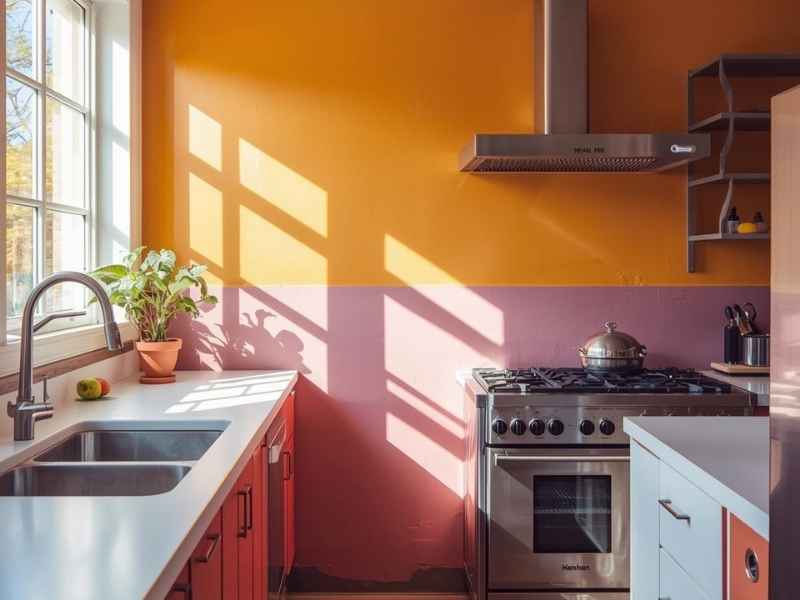
Wooden walls appear in some commercial kitchens and period properties. These surfaces need special attention because excess water damages wood over time. For wooden walls, we recommend mixing 2 cups of warm water with 2 tablespoons of white vinegar and 2 tablespoons of olive oil. This combination removes grease whilst providing natural protection for the wood surface.
Apply the solution with a soft cloth and work in the direction of the wood grain. Never saturate wooden walls with liquid. The oil component helps condition the wood as you clean, preventing the drying effect that harsh cleaning chemicals can cause.
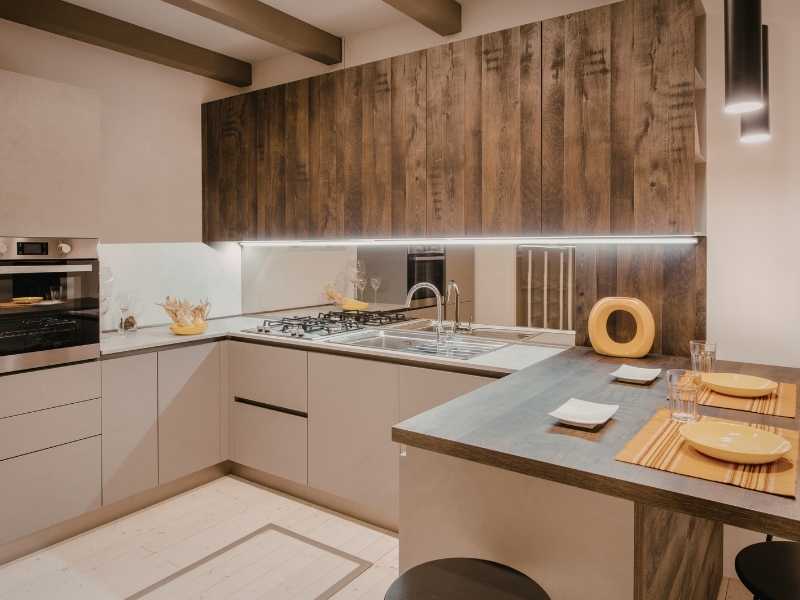
Ceramic tiles and glossy surfaces tolerate stronger cleaning agents than painted or wooden walls. Mix equal parts vinegar and warm water in a spray bottle for an effective grease remover. Spray the solution directly onto the affected area and let it sit for five minutes before wiping with a soft cloth.
The acidity in vinegar breaks down bonds effectively. For commercial kitchens with extensive tile work, this method saves time whilst remaining gentle on grout lines. After cleaning, rinse with clean water and dry with a clean towel to prevent water marks.
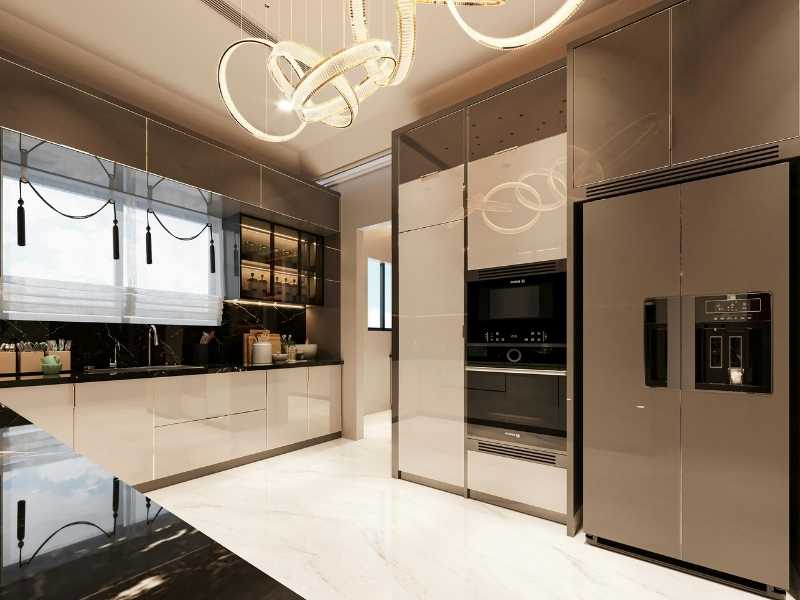
For light grease that builds up from normal cooking, regular maintenance prevents stubborn problems later. Cleaning grease stains from walls before they harden reduces scrubbing effort by nearly half, helping prevent damage to paintwork and plaster underneath.
Mix warm water with dish soap in a bucket. Dawn dish soap works particularly well because it cuts through efficiently. Dip a soft sponge into the soapy solution, wring out excess liquid, and wipe walls using circular motion. This technique lifts grease stains without grinding them deeper into the paint surface.
Degreasing kitchen walls regularly can reduce overall kitchen cleaning time by up to 25 percent. Grease stains attract dirt, so keeping greasy walls clean means less buildup overall. We recommend wiping kitchen surfaces near your hob at least once weekly to remove grease before it becomes stubborn. Regular cleaning keeps greasy walls manageable and prevents the need for intensive scrubbing later.
Stubborn grease stains need more than basic soap and water to remove residue effectively. Baking soda provides an alkaline cleaning agent that naturally breaks down oil. Create a paste by mixing baking soda with enough warm water to form a spreadable consistency.
Apply the paste to greasy stains and marks using your fingers or a sponge. Let the mixture sit for 10 to 15 minutes so the soda can penetrate and break down bonds. The alkaline properties work to dissolve the buildup during this time. After the paste has done its work, scrub gently in circular motion with a damp cloth to remove the loosened grease stains.
For cleaning grease stains on tiles and other surfaces, the same baking soda paste works on grout lines too. Stubborn grease stains might need a second application. Once you remove stains completely and the stain disappears, rinse the area with clean water and wipe dry to prevent residue. Then wash the sponge thoroughly before storing it.
Stubborn stains and stubborn marks that have been building for months require stronger intervention to get grease removed and get results. In commercial kitchens especially, buildup near preparation areas can become thick and sticky. Distilled white vinegar offers a powerful solution for these challenging situations on painted walls and other surfaces.
Mix one part white vinegar with two parts warm water in your bucket. For very heavy buildup on painted walls, use equal parts vinegar and water for stronger concentration. Apply generously with a spray bottle and let the solution sit for 15 to 20 minutes. The acid needs time to penetrate and break down oxidised grime on painted walls.
After soaking, use a soft sponge or brush to scrub the loosened buildup gently. You may need to scrub and repeat the process for particularly stubborn areas to fully clean the surface. In homes where extractor fans are rarely used, deposits can become noticeably thicker within six to eight weeks of regular use. These cases benefit from monthly sessions where you work and clean thoroughly.
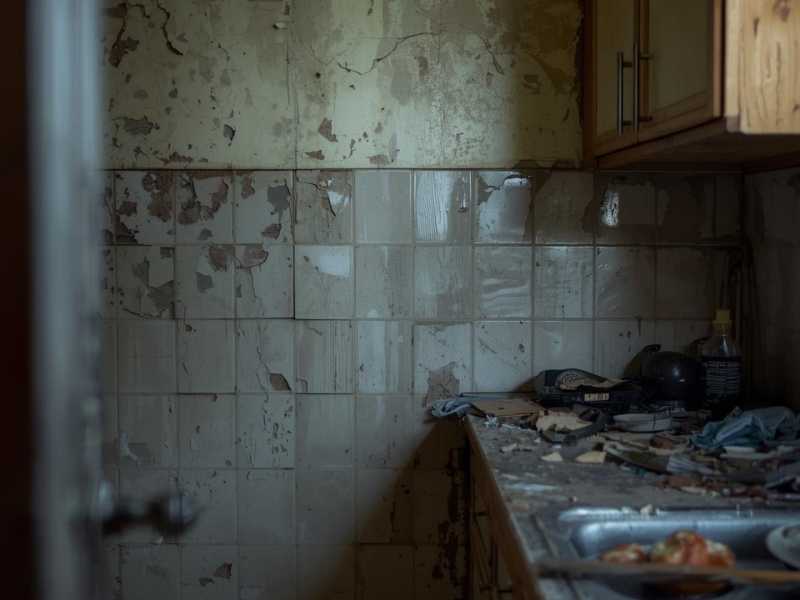
Fresh oil stains respond best to immediate treatment. When you notice new splatters, grab a paper towel, paper towels and more paper towels and blot the affected area gently. This removes excess liquid before it spreads or sinks into the wall surface and paint beneath.
After blotting with paper towel, sprinkle powder directly onto the stains. The powder absorbs remaining liquid over the next 15 minutes. Brush off the soda with a dry cloth, then follow up with your regular cleaning method using warm water and dish soap to get grime completely out of the paint.
For wallpapered walls, this absorption method works best because moisture can damage wallpaper backing. Never spray solutions directly onto wallpaper. Instead, apply products to your cloth first, then dab carefully at the oil stains to remove oil stains without soaking the paper.
Commercial kitchens deal with buildup on a different scale than domestic properties. A greasy kitchen with heavy use requires industrial strength products. Products like Krud Kutter Kitchen Degreaser or Fantastik offer the power needed to get grease off baked-on deposits. These formulations contain surfactants specifically designed to break down commercial cooking grime.
Commercial degreasers work faster than homemade solutions for extensive cleaning tasks. At Cleaners Darlington UK, we use these products when we clean greasy walls in commercial settings that see constant use. We also help clients clean greasy kitchen walls in busy cafes and restaurants where buildup buildup happens quickly. Always ensure the space has proper ventilation when using stronger cleaning chemicals to get fumes cleared from the greasy kitchen environment.
Apply commercial degreaser according to manufacturer instructions. Most require spraying solution directly onto surfaces, allowing dwell time, then wiping clean to remove grease thoroughly. Follow up with a rinse using clean water to remove chemical residue and wash away any remaining solution.
For areas around food preparation, non-toxic cleaning agents provide peace of mind. Look for biodegradable formulas safe for use in commercial kitchens. Many modern commercial degreasers now offer plant-based alternatives that match traditional products for effectiveness.
A mixture of half a cup white vinegar, quarter cup baking soda, and one gallon of warm water creates a gentle yet effective cleaner suitable for any kitchen surface. This solution costs less than commercial products whilst remaining completely food-safe.
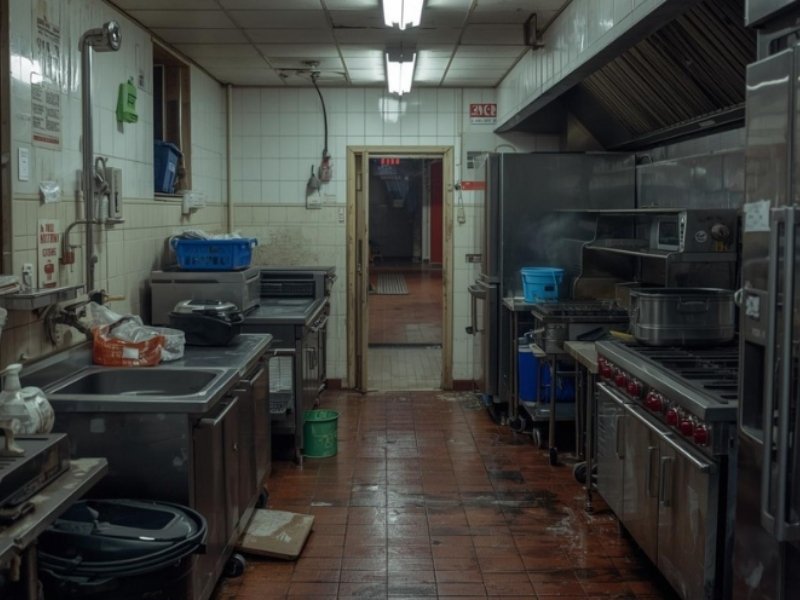
Your choice of cleaning tools affects results significantly. Soft sponges work best for most wall surfaces because they clean without scratching paint or causing damage. We avoid abrasive scrubbers on painted walls as these scrub away the paint finish.
Microfibre cloths excel at trapping particles. Keep several on hand so you can switch to a clean towel or clean cloth as needed. This prevents spreading dirty grease around whilst you clean and wipe down kitchen walls. Paper towels serve well for initial blotting of fresh spills with paper towel.
Having the right sponge makes a difference when you need to scrub stubborn grease stains. A quality sponge holds enough solution to clean effectively whilst allowing you to wipe and scrub without excessive dripping.
A quality spray bottle distributes your chosen product evenly across wall surfaces. This method uses less product than pouring directly whilst giving better coverage. Fill one spray bottle with your vinegar mix and another with plain water for rinsing to clean properly.
Label bottles clearly to avoid confusion whilst you clean. For commercial operations, colour-coded bottles help staff identify products quickly and clean efficiently.
For extensive projects, mixing your products in a bucket makes more sense than repeated small batches and helps you clean more efficiently. A two-bucket system works well: one holds your chosen product, the other rinse water. This keeps your sponge ready to clean throughout the job and lets you scrub and rinse as you work.
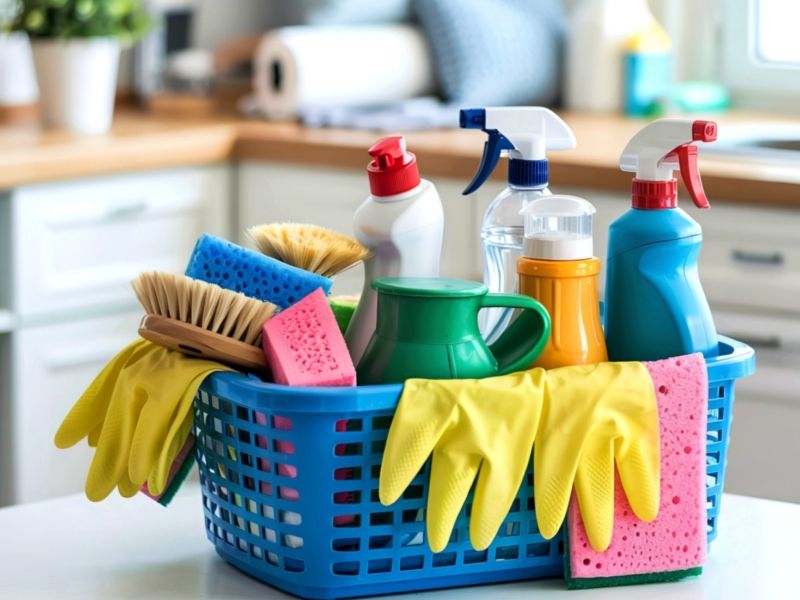
Splash guards or washable panels behind stovetops protect walls from direct grease splatters. These removable surfaces clean more easily than walls and prevent grime from reaching the paint beneath. Glass panels work particularly well in commercial kitchens because they tolerate high heat and wipe clean quickly. Some general tips for protecting your house include positioning these guards to cover the most vulnerable areas.
Proper ventilation during preparation reduces airborne particles that settle on walls throughout the property. Installing or upgrading your extractor fan makes a measurable difference in keeping your house free from grime deposits. Run the fan for at least 15 minutes after finishing cooking to clear lingering vapour.
Grease released during frying stays airborne for several hours, settling slowly onto kitchen surfaces and walls long after you finish. Good ventilation interrupts this process by removing oily air before it deposits on walls. These general tips about ventilation apply to both commercial and domestic settings.
When redecorating, select washable or glossy paint instead of matte or satin paint finishes. These paint surfaces allow grease to sit on top rather than soaking into microscopic pores. Cleaning becomes easier and you preserve the paint appearance longer.
Some homeowners repaint kitchen walls earlier than expected because grease buildup darkens paint colour and wall paint over time. Choosing the right paint finish from the start prevents this issue. Semi-gloss or satin paint finishes balance durability with appearance. The right paint choice means fewer grease stains penetrating the paint surface, making it easier to clean greasy kitchen walls and remove grease stains that do appear.
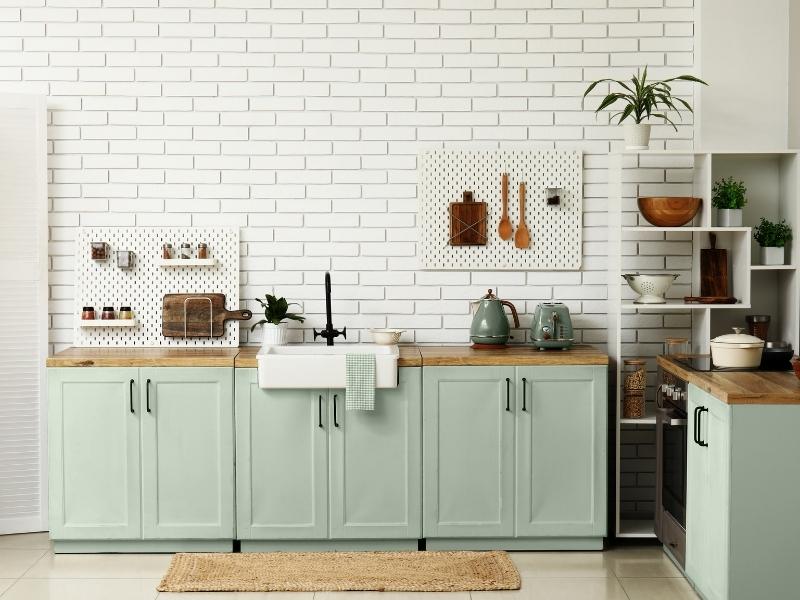
Flat paint or bare plaster absorbs grease deep into the material. These cases sometimes resist even thorough cleaning attempts to remove grease stains. If you have cleaned repeatedly but grease stains and oil stains remain visible, the buildup may have penetrated beyond the paint surface layer.
For these situations, applying a stain blocking primer before repainting often provides the only lasting solution to remove grease stains permanently. The primer seals the buildup so it cannot bleed through a new layer of paint. Choose a primer specifically designed for blocking stains and grease stains, then follow manufacturer application instructions carefully.
Areas around electrical fixtures accumulate grease but require careful cleaning to avoid moisture damage. Never spray cleaning solutions directly onto switches or sockets. Instead, apply your chosen cleaner to a cloth, wring out thoroughly, and carefully wipe around these areas.
For safety, switch off power at the consumer unit when cleaning near electrical points. Use minimal moisture and dry immediately with a clean cloth.
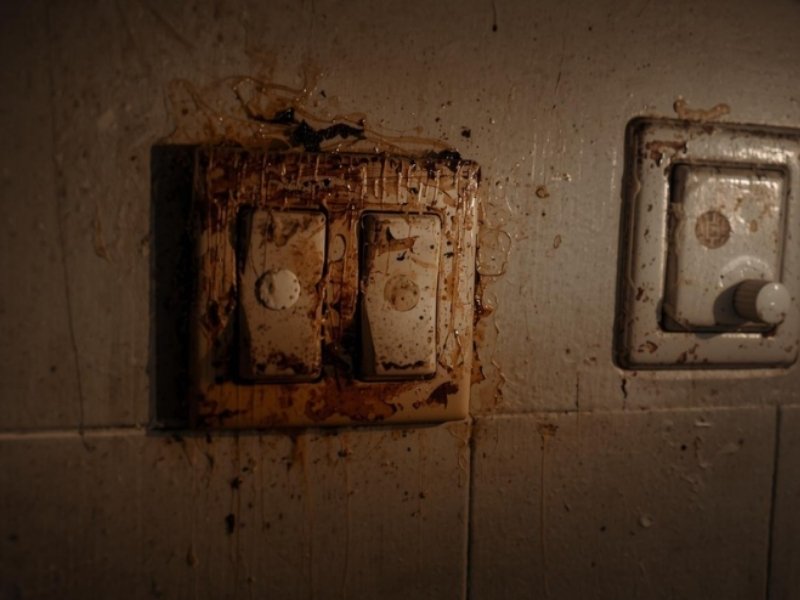
Textured surfaces trap grease in crevices, making removal challenging. A soft brush helps work your chosen degreaser into uneven surfaces and lets you clean effectively. Apply your chosen product, let it sit, then use gentle brushing motions to lift dirt from texture peaks and valleys as you clean and scrub carefully.
Rinse textured walls carefully using paper towels because liquid can pool in indentations. Multiple passes with barely damp paper towels remove residue without oversaturating the surface. Fresh paper towels for each section ensure you clean thoroughly.
Excess water damages paint adhesion and wallpaper backing when you try to clean walls. Always wring out sponges thoroughly before touching walls. Your cloth should feel damp, not dripping, as you clean. Too much moisture causes paint to bubble or wallpaper to peel whilst you clean.
Vigorous scrubbing seems logical for stubborn stains but often causes more problems than it solves. Let your chosen products do the work through chemical action rather than physical force as you clean. Apply your product, wait for it to break down the buildup, then gently scrub to clean properly.
Walls that you clean with appropriate degreasing methods stay cleaner longer because removing buildup fully reduces the sticky surface that attracts new residue. Patient, gentle methods as you clean preserve your walls whilst achieving better results.
Never mix different products unless you understand the chemistry involved. Some combinations create dangerous fumes or reduce effectiveness as you try to clean. Stick to one method at a time to clean safely.
If switching between products, rinse the wall thoroughly between applications to clean properly. This prevents unexpected chemical reactions whilst you clean.
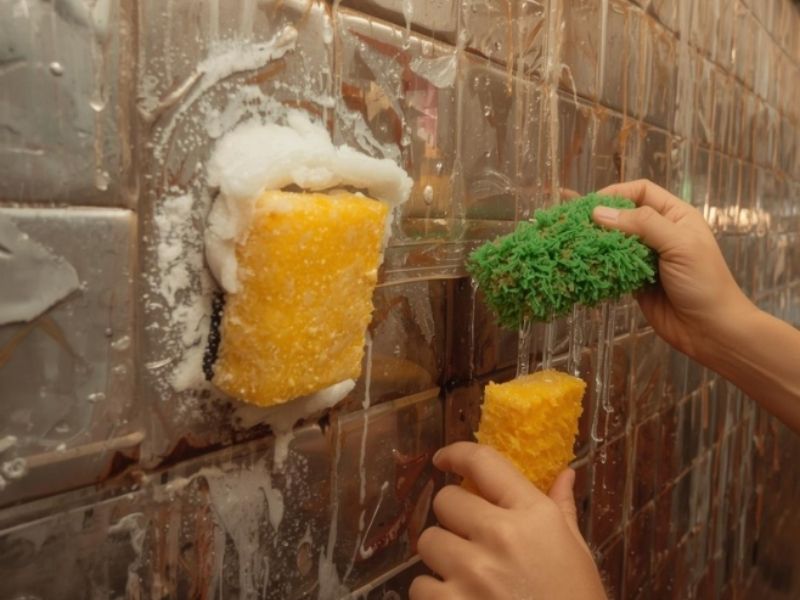
Professional cleaners bring specialised equipment and products unavailable to most homeowners. We at Cleaners Darlington UK handle extensive tasks in both domestic and commercial settings and know how to clean properly. Professional service makes particular sense for rental turnovers, end-of-tenancy requirements, or commercial kitchen deep sessions where you need experts who can clean fast.
Professional teams work faster than DIY efforts for large-scale jobs. We understand which methods suit different surfaces and can tackle difficult situations like grease that has built up over years. We know how to clean efficiently and thoroughly.
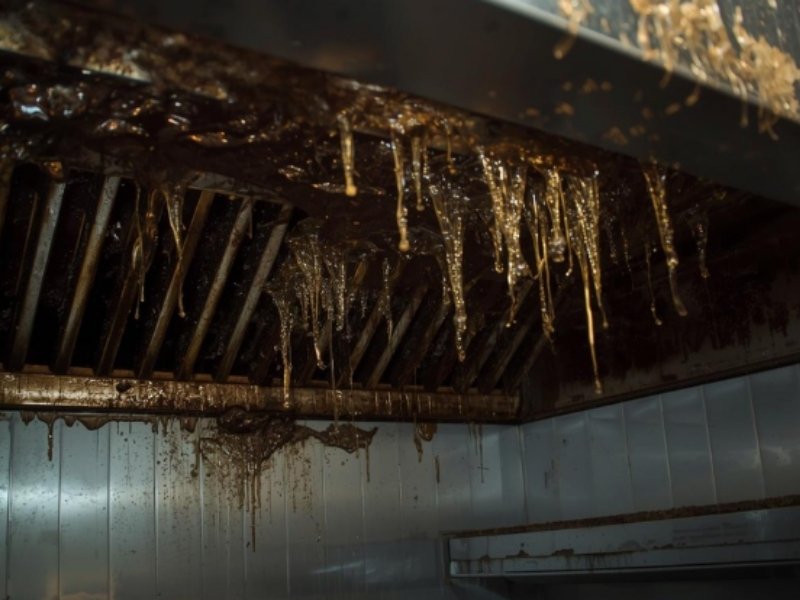
Some kitchen layouts include high walls or areas above cabinets that accumulate grease but prove difficult to access safely. Professional cleaners have proper ladders, extending tools, and safety training for working at height.
Restaurant and cafe owners often lack time for thorough wall work during business hours. Hiring professionals allows deep sessions during closed periods without pulling staff away from food preparation duties. Professionals can clean quickly and thoroughly when you need results fast.
Keep a microfibre cloth or gentle cleaning wipe handy for quick touch-ups. When you notice fresh splatters, wipe them immediately before grease sets. This two-minute habit prevents hours of deep cleaning later and keeps your cleaning method simple.
Once weekly, wipe down areas directly around your hob with warm soapy water. This prevents grease from building to levels that require intensive intervention. Regular attention keeps kitchen walls looking fresh with minimal effort. The weekly wipe keeps surfaces clean and ready for cooking.
Even with regular maintenance, some spots accumulate more grease than others. Monthly spot treatments using baking soda paste or vinegar address these trouble zones before they become major problems and help you maintain walls that stay clean longer.
Focus on areas beside the hob, above the kettle, and near the toaster to clean where buildup happens first. These locations typically show grease accumulation first in both domestic and commercial kitchens and require attention to keep them clean.
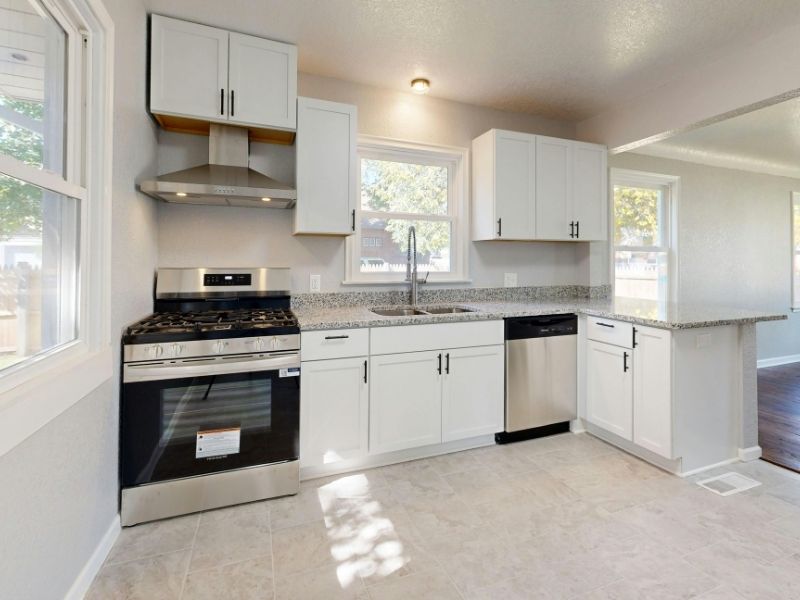
Grease consists of molecules that repel water naturally. This explains why water alone fails to clean and remove greasy stains effectively. Soap and detergent work by surrounding molecules in microscopic bubbles that rinse away with water when you clean surfaces. Many people also wonder how do you clean an oven glass door, which is a common area affected by stubborn grease.
Alkaline cleaners like baking soda break down organic grease through a chemical reaction called saponification. This process converts oils into soap-like substances that wash away easily and clean thoroughly. Acidic cleaners like vinegar work differently, breaking bonds between grime and the wall surface. When you mix these cleaning solutions properly, they provide powerful grease removal.
Hot water increases molecular activity, making both types of cleaner work faster and more effectively. This scientific principle explains why warm water consistently outperforms cold in grease removal tasks. The heat helps the cleaning solution penetrate and clean better than cold water would achieve.
Kitchen walls that stay clean contribute to a healthier environment in both domestic homes and commercial properties. Regular maintenance prevents the stubborn buildup that requires aggressive methods potentially damaging to surfaces and helps you keep walls clean year-round.
The most effective approach combines prevention through good ventilation and protective surfaces with regular light work and occasional deep treatments when needed. Understanding your wall type and choosing appropriate methods for that specific surface protects your investment whilst achieving excellent results as you clean.
At Cleaners Darlington UK, we help property owners throughout the region maintain spotless kitchens that stay clean. Whether you need regular maintenance or a one-off deep session, professional support ensures your kitchen walls stay in top condition without the time investment and effort required for DIY approaches when you want results that truly clean.