At Cleaners Darlington UK, we remove nicotine stains using a combination of degreasing solutions and proper preparation. The most effective approach involves cleaning with white vinegar mixed with warm water, or for stubborn cases, using trisodium phosphate followed by an odor blocking primer before repainting. The key is understanding that nicotine residue behaves like grease, not dirt, so standard cleaners often spread the stain rather than lift it.
Nicotine stains appear as an unsightly dirty yellow-brown colour that goes beyond simple surface dirt. What most people see is actually a combination of nicotine, tar, and airborne grease. This residue is oily and hygroscopic, meaning it attracts moisture from the air, which explains why walls in smoking environments continue to yellow over time even after smoking has stopped.
We've worked in properties where painted walls and plaster have absorbed nicotine particles deep into surface layers. In heavy smoking environments, this staining can remain embedded for 5 to 10 years or more if not treated properly. The chemicals involved include nicotine itself, an addictive poisonous chemical found in tobacco that can cause increased heart rate and use of oxygen by the heart.
Because cigarette smoke contains many chemicals that penetrate walls and surfaces, simple water-based cleaners without degreasers often drag the stain across the wall, making it appear larger and more uneven. This is one of the main reasons DIY attempts sometimes make things worse before they get better, especially when people attempt how to remove nicotine stains from walls without the right process.
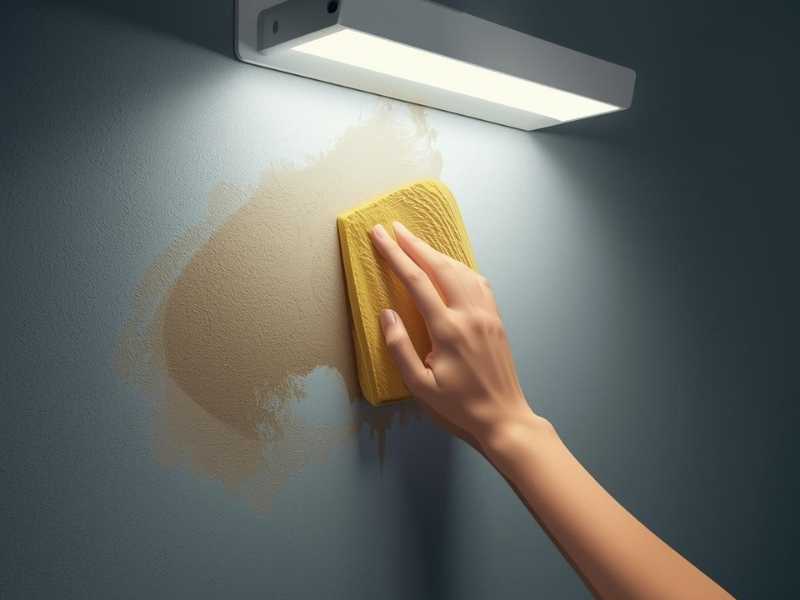
We notice nicotine residue becomes more visible in warm or humid rooms. Heat causes tar and nicotine oils to migrate to the surface, which is why staining often appears worse in living rooms, kitchens, and stairwells compared to cooler bedrooms. Because smoke rises, ceilings often contain higher concentrations of residue than walls, frequently appearing darker or more yellow even when walls look relatively clean.
Proper preparation makes a significant difference in both safety and results. Prolonged exposure to nicotine and cigarette smoke during cleaning can lead to skin irritation, respiratory problems, allergies, and in extreme cases, contribute to cancer risk. We always wear gloves when handling these chemicals, along with goggles and old clothes to protect against caustic cleaning agents.
Good ventilation is crucial when using harsh cleaning agents due to their strong fumes. Open windows and doors to create airflow throughout the room. Moving furniture away from walls prevents damage and gives you clear access to all affected surface areas. Laying down a drop cloth protects your floor from drips and chemical splashes.
For light stains, a dry cleaning sponge can remove nicotine stains without using water. This works well for recent buildup or rooms with minimal smoking. You'll also want a soft sponge, clean cloth, and spray bottle for applying solutions.
For moderate to heavy stains, gather white vinegar, baking soda, dish detergent, and warm water. Keep a bucket handy for mixing your cleaning solution and multiple cloths for wiping and rinsing. A scrub brush helps with textured walls, though a soft cloth works better on smooth painted surfaces to avoid scratching.
For the most stubborn cases, you may need to find tsp at your local hardware store. When working with trisodium phosphate or an ammonia mixture, always wear gloves and ensure your space is well ventilated.
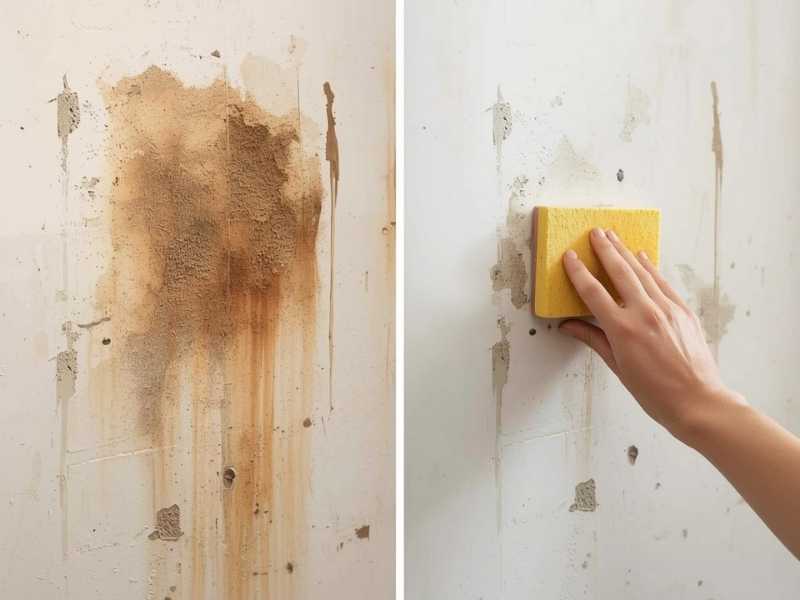
We always begin by removing loose particles before introducing any liquid. A dry cleaning sponge lifts surface layer residue without spreading it around. This step prevents you from turning dust and loose tar into a muddy paste when you start wet cleaning.
Work from top to bottom in small sections, using gentle pressure. The sponge will darken as it picks up residue. When one side gets saturated, rotate to a clean section. For ceilings, which usually hold more nicotine than walls, this dry phase is especially important.
Some properties we service have such light buildup that a dry cleaning sponge handles the entire job. This method works best when smoking was minimal or confined to specific areas of the room.
White vinegar remains one of the most effective home remedies for nicotine stains. Mix 1 cup white vinegar, 2 cups warm water, and half a cup baking soda for a cleaning solution that breaks down the oily residue. The vinegar cuts through grease while baking soda acts as a natural deodorizer to absorb lingering odours.
Dip a soft sponge into the solution and wring it out so it's damp but not dripping. Starting from the bottom of the wall helps prevent dirty water streaks. Work in circular motion across small sections, rinsing your sponge frequently in clean warm water.
A mixture of white vinegar and warm water tackles nicotine because vinegar is acidic enough to break down tar bonds without damaging most paint finishes. We've used this approach successfully in hundreds of domestic properties where tenants smoked moderately for a few years.
After cleaning each section, wipe the area with a cloth dampened in plain water to rinse away any remaining chemical residue. This prevents streaking and removes the vinegar smell. Allow walls to air dry completely before assessing whether another pass is needed.
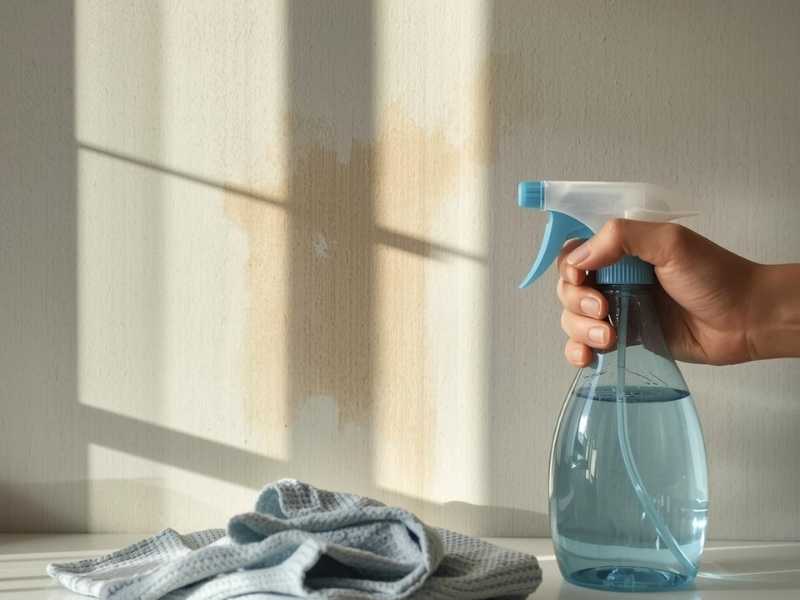
When vinegar doesn't fully remove nicotine stains, we move to stronger options. An ammonia mixture combines a couple squirts of dish detergent with how much water depends on the severity, typically a gallon of warm water with one cup of ammonia. This solution must be used in a well ventilated area because ammonia fumes are harsh on the respiratory system.
Apply the solution with a clean cloth, working in sections and avoiding overlap. The chemicals in this mixture are powerful degreasers that break down even heavy stains that have built up over years. We always rinse thoroughly after using ammonia to prevent any interference with paint or primer applications later.
Trisodium phosphate is the professional choice for the most challenging cases. Mix tsp according to package directions, usually one cup of tsp pf per gallon of water. This creates a powerful cleaning agent that strips nicotine right down to the base surface.
The key with trisodium phosphate is protecting your well being during application. Gloves are essential, as tsp can irritate skin. Work methodically, washing one wall section at a time, then immediately following with a rinse using plain water and a separate sponge. This removes residual chemicals that could affect your painting process later.
We use trisodium phosphate in commercial properties where smoking occurred for decades. The difference is dramatic, transforming brown-yellow surfaces back to near-original condition. However, because it's caustic, we always test solutions on a small area first to ensure they don't damage the paint.
Removing nicotine stains properly can dramatically reduce lingering odours without using air fresheners, because the same residue responsible for yellow walls is also the primary cause of persistent smoker smell. However, sometimes the smell persists even after surfaces look clean.
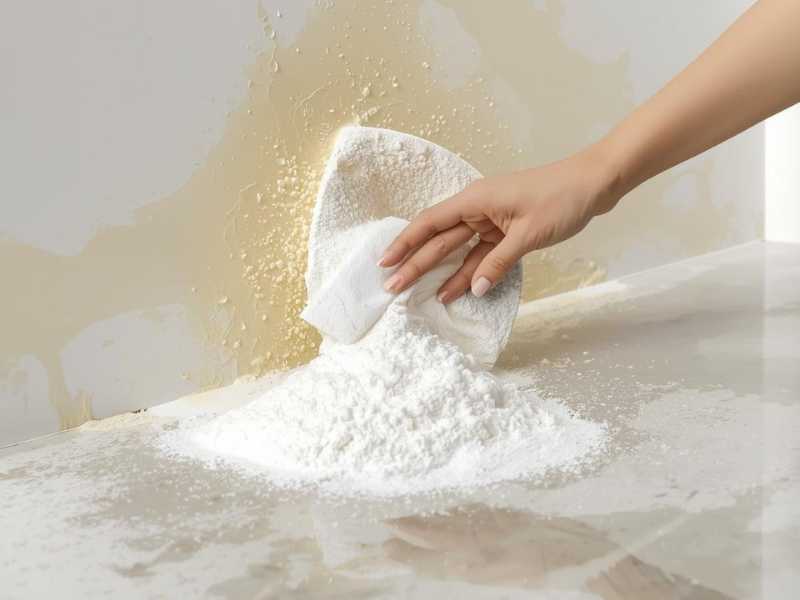
Baking soda helps in these situations. After cleaning, sprinkle it on affected surface areas and leave it for several hours or overnight. The powder absorbs odour molecules trapped in porous materials. Vacuum the powder away, removing both the baking soda and the smell it captured.
For rooms where odour remains strong, we sometimes need to address fabrics and furniture that have absorbed smoke. Carpets, curtains, and upholstered furniture can hold as much nicotine as walls. Professional cleaning or replacement may be necessary for these items to fully eliminate the smell from a room.
Removing nicotine stains helps improve indoor air quality by eliminating volatile organic compounds that can linger in the air long after smoking stops. These VOCs contribute to respiratory irritation and allergic reactions in sensitive individuals. We've had clients report significant improvements in breathing comfort within days of thorough nicotine remediation.
The air in a properly cleaned space feels fresher because you've eliminated the source of contamination, not just masked it. This matters especially in rental properties where new tenants may have sensitivities or young children whose health could be affected by residual chemicals.
Cleaning alone often isn't enough for a lasting finish. Nicotine stains are one of the most common causes of paint failure. Decorators frequently report nicotine contamination as a leading reason new paint discolours within weeks. Without proper preparation, yellow or brown patches can reappear through multiple coats.
After removing nicotine with your chosen cleaning solution, allow walls to dry completely. This typically takes 24 to 48 hours depending on humidity and ventilation. Painting over damp surfaces traps moisture and prevents proper primer adhesion.
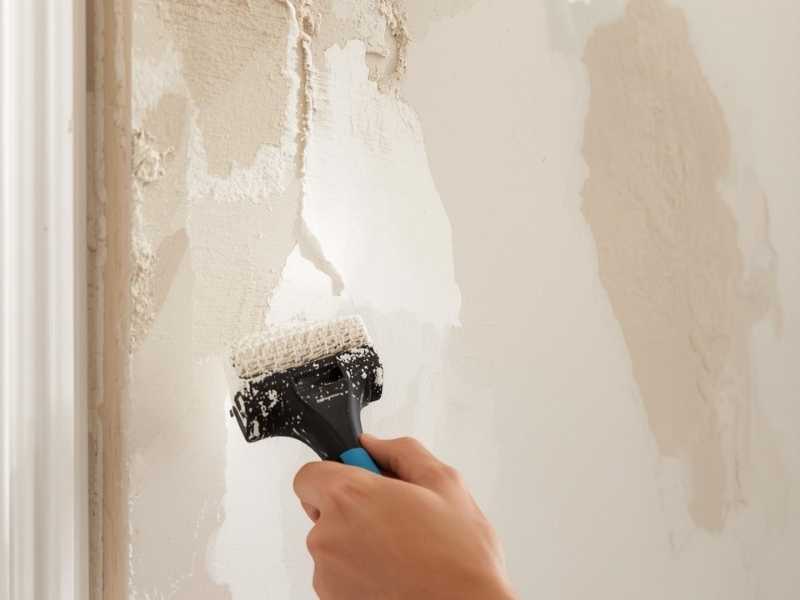
In many cases, nicotine stains can bleed through paint within days or weeks if the wall hasn't been degreased and sealed correctly. This happens because the oily residue continues to migrate through water-based paints, even after multiple applications. We've seen property owners apply three or four coats only to watch yellow patches reappear within a month.
The solution is using an odor blocking primer before applying your final paint. Stain-blocking primers like Kilz are necessary for deeply stained walls to prevent stains from bleeding through after repainting. These products contain shellac or oil-based ingredients that create a barrier between the old nicotine residue and your new finish coat.
Apply at least one coat of primer, paying special attention to areas where staining was heaviest. For severe cases, a second coat of primer ensures complete coverage. Only after the primer has fully cured should you apply your chosen paint colour.
Not all walls respond the same way to nicotine cleaning. Textured surfaces like artex or rough plaster hold more residue in their grooves and valleys. These require a scrub brush rather than just a soft cloth to work cleaning solution into crevices.
Be gentle when you scrub textured walls. Aggressive scrubbing can damage the texture pattern or loosen old plaster. Use circular motion with moderate pressure, allowing the chemicals to do most of the work rather than relying on elbow grease alone.
Wallpaper presents unique challenges. The paper itself absorbs nicotine deep into its fibers, and moisture can cause it to peel or bubble. In most cases where wallpaper shows significant nicotine damage, removal and replacement proves more effective than cleaning. If you choose to clean wallpapered surfaces, use minimal water and test in an inconspicuous area first.
Professional cleaning services can effectively remove nicotine stains and odours from walls and ceilings using techniques not typically available to homeowners. We use chemical washing, a technique that involves professional-grade degreasers and neutralizers applied in controlled sequences for maximum effectiveness.
For severe contamination, we sometimes employ ozone treatment, an industry-standard technique used to eliminate cigarette odours from properties. This process oxidizes odour molecules at a molecular level, destroying them rather than just covering them up. It requires temporarily vacating the property but provides results that simple cleaning cannot match.
Homes with nicotine-stained walls can lose visual value instantly according to estate agents, who often note that visible nicotine staining can reduce perceived property appeal immediately. Buyers associate yellowed walls with long-term neglect, regardless of the actual condition of the property. This perception affects resale value.
For landlords and property sellers, professional nicotine removal often pays for itself in faster sales and higher offers. The investment in proper cleaning and sealing prevents the need for price reductions due to visible smoking damage. In commercial properties, the calculation includes lost rental income during extended DIY cleaning attempts versus quick professional turnaround.
Using the wrong cleaning products can smear nicotine residue rather than remove it. We've responded to calls from people who tried standard household cleaners only to create larger, streakier stains. Because nicotine is oily, products formulated for regular dirt simply spread the grease around.
Another frequent error is painting over nicotine without cleaning. This is rarely permanent. The stains bleed through, wasting time and money on paint that won't last. Some people assume that covering with a darker colour will hide the problem, but nicotine will eventually show even through deep colours.
Skipping the rinse step after cleaning leaves chemical residue on your walls. This residue can react with primers and paint, causing poor adhesion or discolouration. Always follow cleaning with a plain water rinse and allow proper drying time.
Starting from the top of walls seems logical, but it creates drip marks through areas you haven't cleaned yet. These dirty water streaks dry as new stains that require additional scrubbing. Working from bottom to top means any drips fall onto areas you'll clean next anyway.
Not protecting yourself properly is another mistake we see. Some people attempt nicotine cleaning without gloves, leading to skin irritation from prolonged chemical contact. The advice we give is simple: treat this like any serious cleaning job with appropriate protective gear.
Once you've invested the effort to remove nicotine stains, preventing recurrence matters. If smoking continues in the space, stains will return. Designating outdoor smoking areas eliminates new contamination entirely. For situations where indoor smoking cannot be avoided, increasing ventilation and using air purifiers reduces how much residue settles on surfaces.
Regular light cleaning prevents buildup from reaching the point where aggressive chemicals become necessary. Wiping down walls monthly with a damp cloth removes fresh residue before it bonds permanently to paint. This maintenance approach works particularly well in commercial settings where some level of smoking is unavoidable.
Sealing walls with quality primer and paint after cleaning creates a less porous surface that resists future staining. Higher-sheen finishes like satin or semi-gloss wipe clean more easily than flat paint, making them better choices for rooms where smoking may occur.
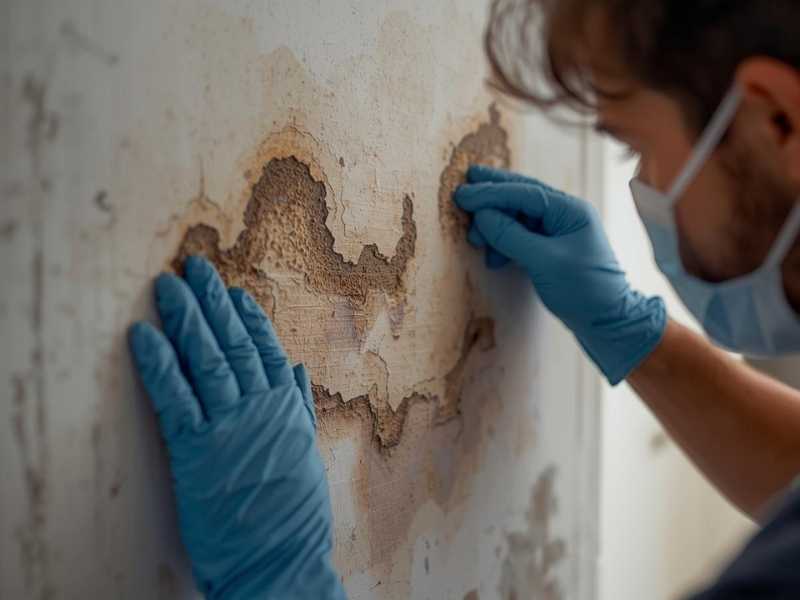
For light staining in domestic properties, start with the white vinegar solution. It's safe, affordable, and effective for recent nicotine buildup. Most homes where smoking occurred for less than five years respond well to this approach combined with proper sealing before repainting.
When dealing with moderate to heavy stains from years of smoking, trisodium phosphate provides the cleaning power needed without excessive cost. Follow the instructions carefully, protect yourself and your space, and don't skip the rinsing process.
For commercial properties, rental turnovers, or estate sales where presentation matters immediately, professional services deliver faster, more complete results. The combination of industrial-grade cleaners, proper equipment, and experience with severe cases justifies the cost through time saved and guaranteed outcomes.
Whatever method you choose, remember that nicotine stain removal is a process, not a single step. Cleaning, rinsing, sealing, and painting all contribute to a final result that looks professional and lasts for years. The key is understanding what you're dealing with and matching your approach to the severity of contamination.